Automated archive / Off The Grid
Off The Grid Caught in Gunzilla’s Payroll Crossfire
Gunzilla Games’ ambitious shooter Off The Grid is now overshadowed by allegations of months-long salary delays and a defensive response from its CEO. As payroll instability collides with Web3 optics, the studio’s ability to ship—and sustain—its flagship project is under serious scrutiny.
AI-generated summary. This archive article does not have a current recorded source check. Check linked sources before relying on details. Editorial policy
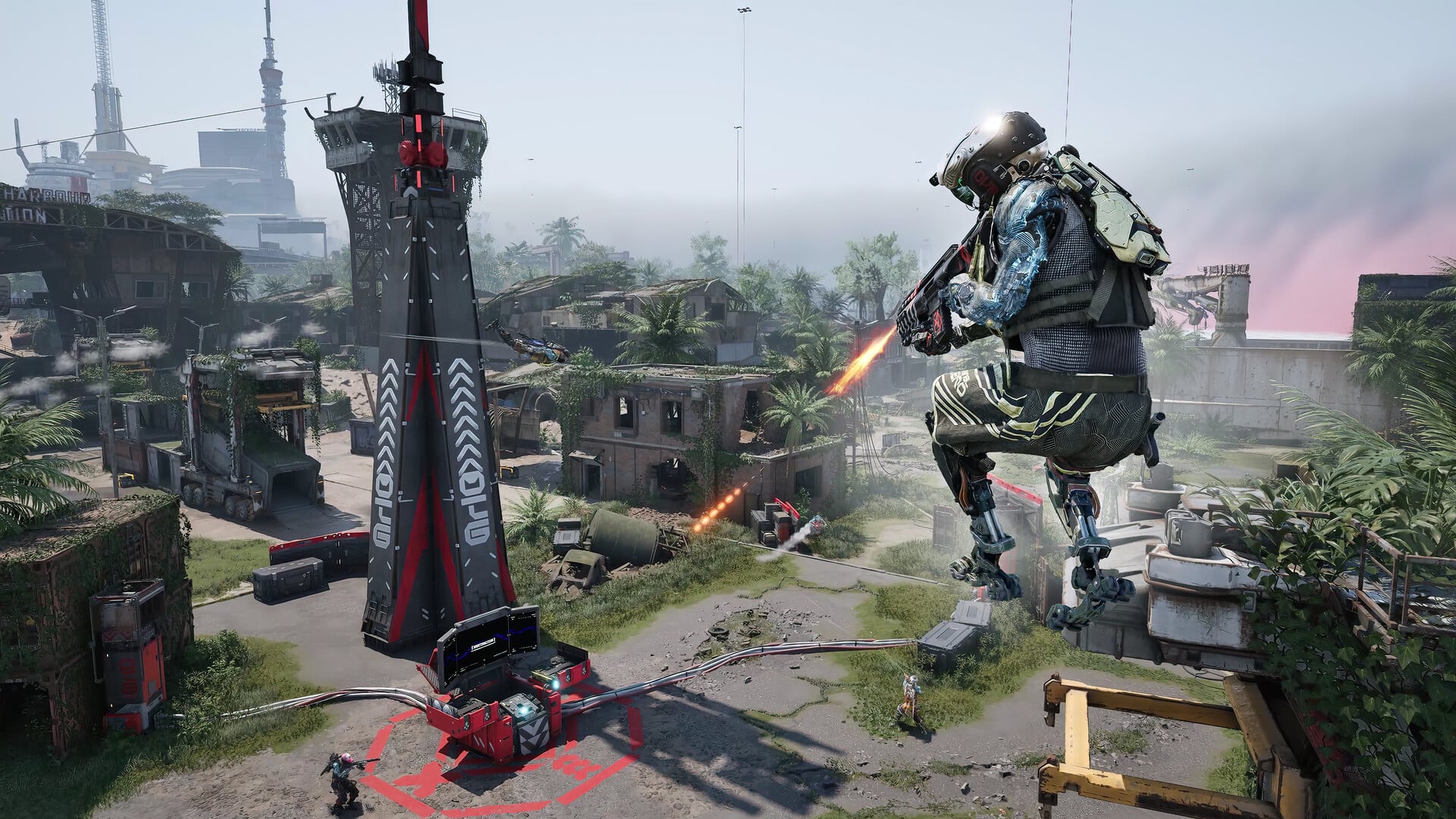
Situation Report: Off The Grid’s Studio Walks Into a Reputation Crossfire
Off The Grid is supposed to be Gunzilla Games’ big swing: a cyberpunk battle royale stitched together with narrative ambitions and Web3 infrastructure. But this week’s signals around the studio aren’t about slick #gamedev breakthroughs or bold #indiegame experimentation—they’re about whether the team building off the grid is getting paid on time.
Over the last seven days, multiple transmissions have painted a picture of a studio struggling to stabilize its internal economy. Allegations of delayed salaries, missed payments stretching over months, and a defensive public response from leadership have pushed Gunzilla’s financial health into the spotlight—right as Off The Grid needs stability the most.
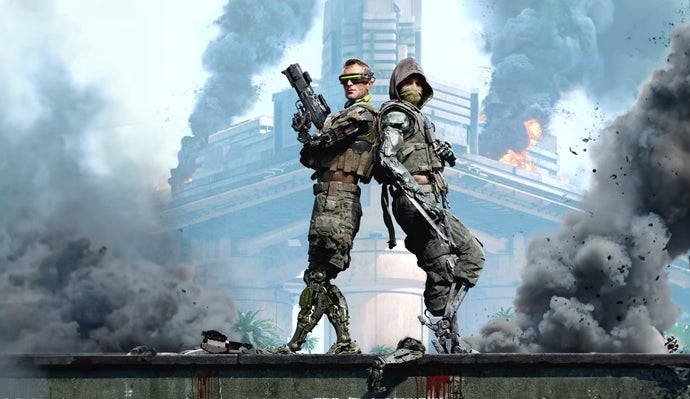
Payroll Turbulence: When Cashflow Becomes a Production Risk
Missed Salaries and Mounting Uncertainty
Reports from current and former staff suggest that Gunzilla has allegedly failed to pay some employees “for many months.” These aren’t isolated contractor disputes; they’re described as systemic payroll desyncs impacting teams across Off The Grid and even the newly acquired Game Informer operation.
For a studio already navigating the volatility of blockchain-linked funding, this kind of instability is more than a bad headline. It erodes trust internally, complicates recruitment, and can trigger a talent exodus at precisely the moment a large-scale live-service project like Off The Grid needs experienced hands to ship and sustain.
Cashflow Timing vs. Worker Reality
Gunzilla CEO Vlad Korolev has pushed back on the growing narrative that the studio “doesn’t pay its contractors,” characterizing some of the criticism as the work of “haters” shaping a hostile storyline. At the same time, he’s acknowledged that payment timing has been tuned to the studio’s cashflow—effectively confirming that liquidity constraints have influenced when people get paid.
That admission, paired with an apology, lands in a gray zone: it’s not a denial that payment issues exist, but a reframing of them as a cashflow management problem rather than outright negligence. For developers living invoice to invoice, though, the distinction is academic. Delayed paychecks hit rent, healthcare, and mental bandwidth long before they show up as a line item on an investor deck.
Reputation Protocols Under Review
Trust Is a Core System, Not a Cosmetic Patch
Korolev has stated that “reputation protocols” are under review, signaling that Gunzilla understands the narrative damage in play. But repairing trust in a studio’s ecosystem is more complex than issuing a statement. It requires:
- Transparent payment pipelines: Clear, predictable schedules for contractors and full-time staff.
- Operational redundancy: Financial buffers that prevent cashflow hiccups from turning into missed salaries.
- Communication discipline: Addressing concerns without dismissing critics as bad-faith actors.
For Off The Grid, this is especially critical. The project leans on Web3 and blockchain infrastructure—sectors already battling skepticism about rug pulls, volatility, and speculative economics. If the studio behind off the grid can’t convincingly demonstrate that it pays its own people reliably, it undercuts any pitch about building a sustainable player-driven economy.
The Web3 Optics Problem
Gunzilla was once heavily associated with filmmaker Neill Blomkamp, lending Off The Grid a prestige-cyberpunk aura. That aura is now competing with a different narrative: a blockchain-adjacent studio that may be running “hot on ambition but cold on payroll stability.”
For talent considering docking their careers in Web3 waters, these reports trigger all the classic risk alarms:
- Is the funding runway solid, or is the project dependent on speculative token flows?
- Will late-stage crunch be paired with late-stage pay?
- If things go sideways, who gets made whole—investors, or workers?
Until Gunzilla can provide verifiable, consistent proof that payroll is normalized, these questions will shadow Off The Grid’s development update cycle.
Impact Forecast: What This Means for Off The Grid
Production Velocity and Feature Scope
In practical #gamedev terms, sustained payroll instability tends to manifest as:
- Slower iteration cycles as teams shrink or churn.
- Deferred or cut features when specialist contractors walk.
- Increased technical debt as remaining staff are forced to ship “good enough” rather than “future-proof.”
For a complex, systems-heavy shooter like Off The Grid—where live-service cadence and content drops will define its long-term viability—any disruption to production rhythm is a serious risk. Even if the core game ships, the ability to maintain a healthy patch and content pipeline could be compromised.
Community and Market Perception
Players may not follow every payroll story, but they absolutely feel the downstream effects: unstable updates, long content droughts, or abrupt shifts in monetization strategy. In a crowded battle royale and extraction shooter landscape, perception can be as important as polish.
If Off The Grid launches under a cloud of labor and payment controversy, it faces a steeper climb to:
- Convince players to invest time (and potentially money) in its ecosystem.
- Attract long-term collaborators, influencers, and partners.
- Position itself as a credible alternative to entrenched genre leaders.
Sector Guidance: Proceed With Eyes Open
For developers, contractors, and adjacent media talent, the current intelligence around Gunzilla Games is a clear yellow alert. Off The Grid remains an ambitious, intriguing project, but the studio’s internal financial reliability is now a key part of its risk profile.
Until Gunzilla can demonstrate consistent, on-time payments and rebuild its reputation protocols, anyone considering joining the operation—or integrating with its Web3 infrastructure—should:
- Demand contract clarity on payment schedules and remedies.
- Assess personal runway in case of delays.
- Monitor future reports on salary normalization and staff retention.
Off The Grid still has the potential to be a standout narrative-driven shooter, but right now, the most important development update isn’t about weapons, maps, or story arcs. It’s about whether the people building the game can count on getting paid for their work.
Sources and corrections
This archive entry does not have a verified article-source list. Images and video embeds alone are not evidence for every claim.
Found an error? Request a correction. Include the passage and a supporting source.
Your games, in one place
Keep up with Off The Grid
Follow this game to collect its posts in your personal feed. Come back to see what you missed.