Automated archive / No Man's Sky
No Man’s Sky ‘Remnant’ Turns the Galaxy into a Haunted Archaeology Sim
No Man’s Sky’s Remnant update pivots the galaxy toward haunted archaeology, with procedural ruins, relic‑driven expeditions, and a gravity gun that turns orbital trash into profit. For developers watching long‑tail live service strategies, it’s a sharp case study in systemic expansion without monetization creep.
AI-generated summary. This archive article does not have a current recorded source check. Check linked sources before relying on details. Editorial policy
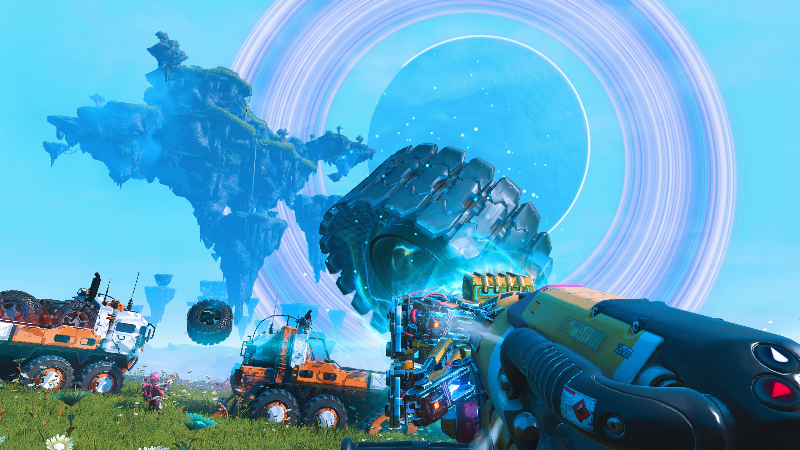
Watch: Transmitting Gameplay footage from the field: No Man's Sky Remnant Update Trailer
Sector Snapshot: Remnant Shifts No Man’s Sky Into Full Sci‑Fi Archaeology Mode
Hello Games has deployed the Remnant update for no man's sky, and it’s less a routine patch and more a systemic pivot toward eerie, lore‑heavy exploration. For a live game that already spans survival, trading, base‑building, and light co‑op, Remnant doubles down on a new fantasy: you are now a roaming xeno‑archaeologist picking through the bones of dead machine civilizations.
From a #gamedev and #indiegame perspective, this is Hello Games continuing its long‑running strategy: instead of chasing new monetization vectors, they keep layering free, theme‑driven expansions that re-contextualize existing systems. Remnant isn’t just “more stuff” — it’s a structural bet on ruins, relics, and emergent storytelling.
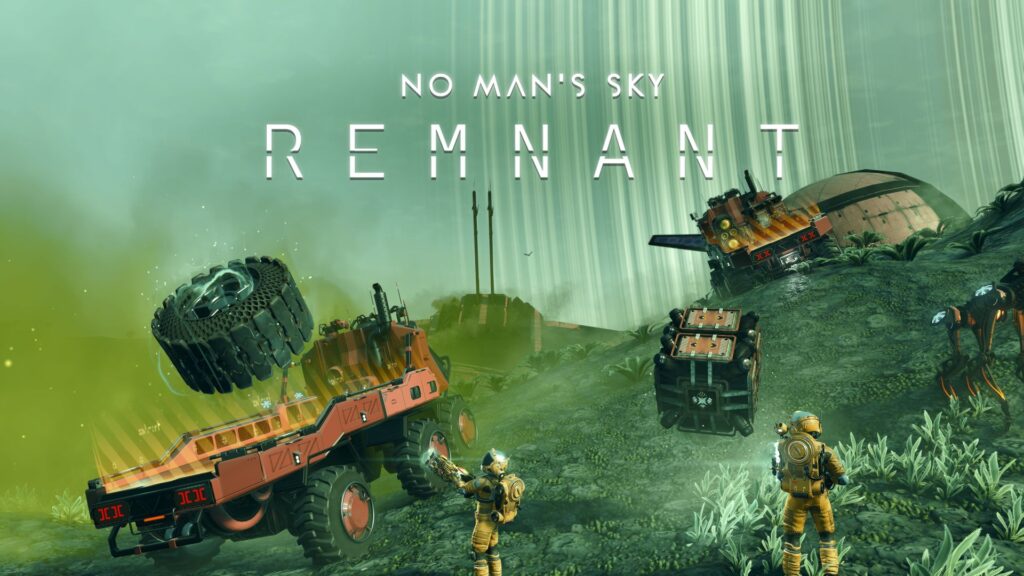
Cosmic Ruins: Procedural Level Design as Story Delivery
The headline feature is the spread of vast procedural ruins across planets. Mechanically, these are new points of interest; strategically, they’re a way to make old worlds feel newly relevant. Players who once wrote off a system as “just more rocks” now have a reason to re‑survey familiar routes.
Key design beats from the field reports:
1. Ruins as Multi‑Layered Content Hubs
- Exploration loops: Ruins bundle scanning, traversal, light puzzle‑solving, and environmental storytelling into a single destination.
- Lore density: Logs, relics, and robot remains push the narrative of long‑lost civilizations without cutscenes, leaning on in‑world artifacts and environmental clues.
- Reward structure: Loot, cosmetics, and tech drops reinforce the idea that curiosity is materially profitable, not just a role‑play flourish.
For no man's sky, this is a subtle but important design evolution: procedural generation is no longer just about terrain variety, it’s being used as a delivery system for thematic content.
New Expedition: Structured Archaeology in a Sandbox
The new expedition built around these ruins acts as a guided on‑ramp to the update’s systems. Expeditions have always been Hello Games’ way of creating seasonal, time‑boxed structure in a chaotic sandbox; Remnant uses that template to:
- Funnel players through curated ruin encounters.
- Pace out lore discoveries and new tech unlocks.
- Encourage co‑op moments where players ping each other with “you need to see this ruin.”
From a development update standpoint, this is classic Hello Games: build a new systemic pillar (ruins + relics), then wrap it in a limited‑time campaign that spotlights best‑case use of those tools.
Gravity Gun & Salvage Overhaul: Turning Trash into a Core Loop
Parallel to the ground‑side archaeology, Remnant refreshes the deep‑space salvage game with a new gravity gun. Functionally, it’s a physics tool for tugging and tossing debris; economically, it’s a resource converter that makes orbital junk meaningfully valuable.
Design implications:
- Systemic coherence: Derelicts, wrecks, and battlefield debris are no longer passive scenery. They’re interactive nodes in the economy.
- Player expression: The gravity gun invites creative problem‑solving — repositioning scrap, clearing fields, or engineering makeshift traps.
- Encounter pacing: Space encounters gain a second layer: combat, then cleanup and salvage, instead of “fight and warp out.”
This is a textbook #gamedev example of re‑monetizing existing content without microtransactions: by upgrading interaction verbs (pull, push, recycle), the team increases the value of assets already in the game.
Atmosphere, Visuals, and the ‘Haunted Galaxy’ Pivot
Remnant also leans into tone. Reports highlight:
- Enhanced environmental storytelling around ruins and derelicts.
- Visual flourishes that push a more haunted, uncanny sci‑fi aesthetic.
- Haunted robots and ancient constructs that blur the line between enemy, relic, and narrative prop.
For a long‑running #indiegame that started as a chill exploration sim, this is an intriguing tonal shift. Hello Games is mining the same universe for new genres: No Man’s Sky as cozy survival, as trade sim, as base‑builder — and now as eerie sci‑fi archaeology.
Community & Retention Outlook
Socially, Remnant appears engineered to:
- Pull lapsed players back with a clear hook: “There are new ruins and a fresh expedition; your old saves still matter.”
- Deepen co‑op value through shared discoveries and emergent events tied to ruins and salvage sites.
- Extend session length via layered loops: planetfall → ruin dive → relic analysis → space salvage.
From a live‑ops lens, this development update continues Hello Games’ long game: free, theme‑focused expansions that increase systemic density rather than reset the meta. For anyone tracking sustainable live service in the #gamedev space, No Man’s Sky: Remnant is another strong data point that long‑tail, feature‑rich support can keep a premium title culturally relevant years after launch.
Sources and corrections
This archive entry does not have a verified article-source list. Images and video embeds alone are not evidence for every claim.
Found an error? Request a correction. Include the passage and a supporting source.