Automated archive / Nioh 3
Nioh 3 Dominates Steam While Guardian Spirit Meta Evolves
Nioh 3 has seized the top spot on Steam while its Guardian Spirit and Spirit Vein systems quietly redefine the action-RPG meta. This week’s Sector Intelligence Report breaks down how those systems are shaping player behavior, balance risks, and the game’s long-term strategic position.
AI-generated summary. This archive article does not have a current recorded source check. Check linked sources before relying on details. Editorial policy

Sector Overview: Nioh 3 Surges to the Top of Steam
Nioh 3 has just executed a textbook digital blitz, seizing the top spot on Steam’s global top sellers chart and planting a clear flag in the action-RPG landscape. In a week where the Steam Deck, HELLDIVERS 2, ARC Raiders, and MENACE are all vying for player attention, Team Ninja’s latest samurai soulslike isn’t just competing—it’s dictating tempo.
From a #gamedev and market-readiness perspective, this early commercial signal matters. Topping Steam before the post-launch tail fully forms suggests strong pre-purchase confidence, a healthy wishlist-to-conversion funnel, and effective messaging around Nioh 3’s core value proposition: deeper build-crafting, more aggressive yokai systems, and a refined combat loop that rewards mastery rather than grind.
Combat Intelligence: Guardian Spirits & Spirit Veins Define the Meta
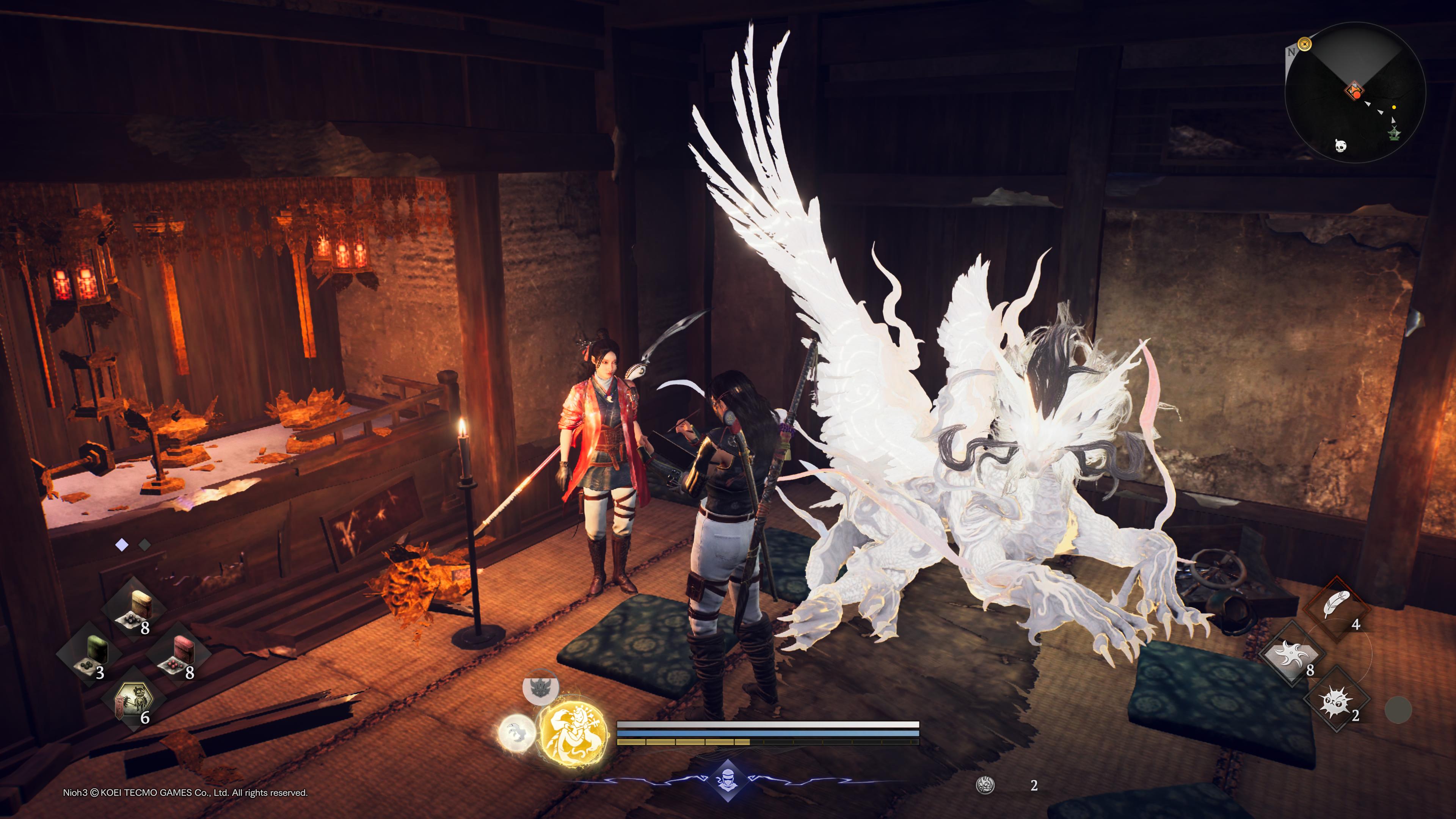
The most meaningful systems chatter this week centers on Guardian Spirits and the new Spirit Vein mechanics. Community-facing breakdowns are already treating these as the backbone of the Nioh 3 meta, not a side system.
Guardian Spirits as Build Anchors
Signals from the field emphasize that Guardian Spirits now operate as true build anchors rather than passive stat sticks. Each spirit meaningfully reshapes your combat profile:
- Defensive guardians are being slotted into high-difficulty boss routes, where their damage mitigation and emergency sustain are turning near-wipes into recoverable encounters.
- Aggressive spirits are enabling “execution builds” that lean into burst windows—players are syncing spirit activations with weapon stance swaps and yokai skills to delete priority targets before they can respond.
For #indiegame and broader #gamedev observers, this is a clean example of systemic design where one layer (Guardian Spirits) meaningfully recontextualizes others (stances, ki management, yokai skills) without overwhelming the player with UI noise.
Spirit Veins and Temporal Power Curves
The introduction of Spirit Veins is emerging as Nioh 3’s most strategically interesting innovation. Reports describe players chaining Veins to control when their build peaks in a fight:
- Front-loaded Vein setups for speedrunners and aggressive players who want explosive openers.
- Staggered or delayed Veins for marathon boss attempts, smoothing out survivability over the entire encounter.
This temporal layering of power is a subtle but important design shift. Instead of only asking “what stats do you stack,” Nioh 3 asks “when do you want to be strongest?” That’s the kind of question that keeps a system fresh well into high-difficulty and NG+ cycles.
Player Behavior: High-Difficulty, Min-Max, and Meta Chasing
Community transmissions highlight a clear behavioral pattern: players are pushing into high-difficulty content faster than in previous entries. The combination of Guardian Spirits, Spirit Veins, and weapon-style synergies is encouraging early min-maxing rather than late-game-only optimization.
We’re seeing:
- Early build specialization instead of broad experimentation for dozens of hours.
- Route planning where players tailor spirits and Veins to specific bosses or mission types.
- Meta conversations forming around “execution builds” versus “survival shells,” a dichotomy that will likely define balance discussions across the next several patches.
For developers tracking Nioh 3 as a design case study, this is a strong indicator that layered, interlocking systems can still be approachable if each layer has a clear fantasy and tactical role.
Market Positioning: Nioh 3 in the 2026 Action-RPG Field
Watch: Transmitting Gameplay footage from the field: Nioh 3 Official Reveal and Combat Showcase
With Nioh 3 riding high on Steam’s charts, the competitive picture is crystallizing. HELLDIVERS 2 is dominating co-op chatter, ARC Raiders is staking out the extraction-shooter niche, and MENACE is targeting tactics fans—but Nioh 3 is owning the precision action-RPG conversation.
Key strategic takeaways from this week’s data:
- Messaging fit: The focus on “mastery,” “secrets,” and “10 essential hacks” in community-facing transmissions aligns perfectly with the series’ reputation for demanding but fair combat.
- Retention potential: Systems like Spirit Veins and Guardian Spirits give Team Ninja significant headroom for post-launch tuning, balance passes, and DLC expansions without needing to bolt on entirely new mechanics.
- Cross-ecosystem synergy: The Steam Deck’s strong hardware performance pairs naturally with a title like Nioh 3, which benefits from a large PC audience that’s already comfortable with high-difficulty, build-driven games.
Strategic Outlook: What to Watch Next
Over the coming weeks, the critical watchpoints for Nioh 3 will be:
- Balance telemetry: How quickly Team Ninja responds if a small subset of Guardian Spirits or Spirit Vein configurations becomes dominant.
- Endgame design: Whether late-game missions and boss variants fully leverage the flexibility of these systems, or if the meta settles into a handful of “correct” answers.
- Community tooling: Expect third-party build planners, DPS calculators, and route guides to emerge rapidly, further entrenching Nioh 3 as a system-rich reference point for future #gamedev combat design.
As of this week’s Sector Intelligence Report, Nioh 3 isn’t just another sequel—it’s a live case study in how to evolve a complex action-RPG ruleset while still capturing the top of the Steam charts.
Sources and corrections
This archive entry does not have a verified article-source list. Images and video embeds alone are not evidence for every claim.
Found an error? Request a correction. Include the passage and a supporting source.