Automated archive / Nioh 3
Nioh 3 Dominates Steam While Devs Double Down on Systems-Driven Mastery
Nioh 3 has climbed to the top of Steam’s charts while its most dedicated players dissect Guardian Spirits, Spirit Veins, and completionist routes like source code. This week’s signals show a systems-driven action RPG turning deep mechanical design into both replay value and market momentum.
AI-generated summary. This archive article does not have a current recorded source check. Check linked sources before relying on details. Editorial policy

Sector Overview: Nioh 3 Seizes the Steam High Ground
Nioh 3 has surged to the top of Steam’s charts this week, outpacing heavy hitters like HELLDIVERS 2, ARC Raiders, MENACE, and even the Steam Deck on the hardware side. For players, that’s a clear signal that Team Ninja’s latest Sengoku nightmare is resonating. For #gamedev and #indiegame teams watching from the sidelines, it’s a live case study in how deep systems design, ruthless combat, and meticulous collectible placement can still cut through a crowded release calendar.
The week’s activity feed reads less like a marketing blast and more like an ops log: optimization routes, completionist maps, and systems breakdowns. Nioh 3 isn’t just selling copies; it’s generating a sustained demand for high-resolution intel—exactly what you want if you’re building a long-tail, systems-heavy action RPG.
Systems Focus: Guardian Spirits, Spirit Veins, and Buildcraft as Core Pillars
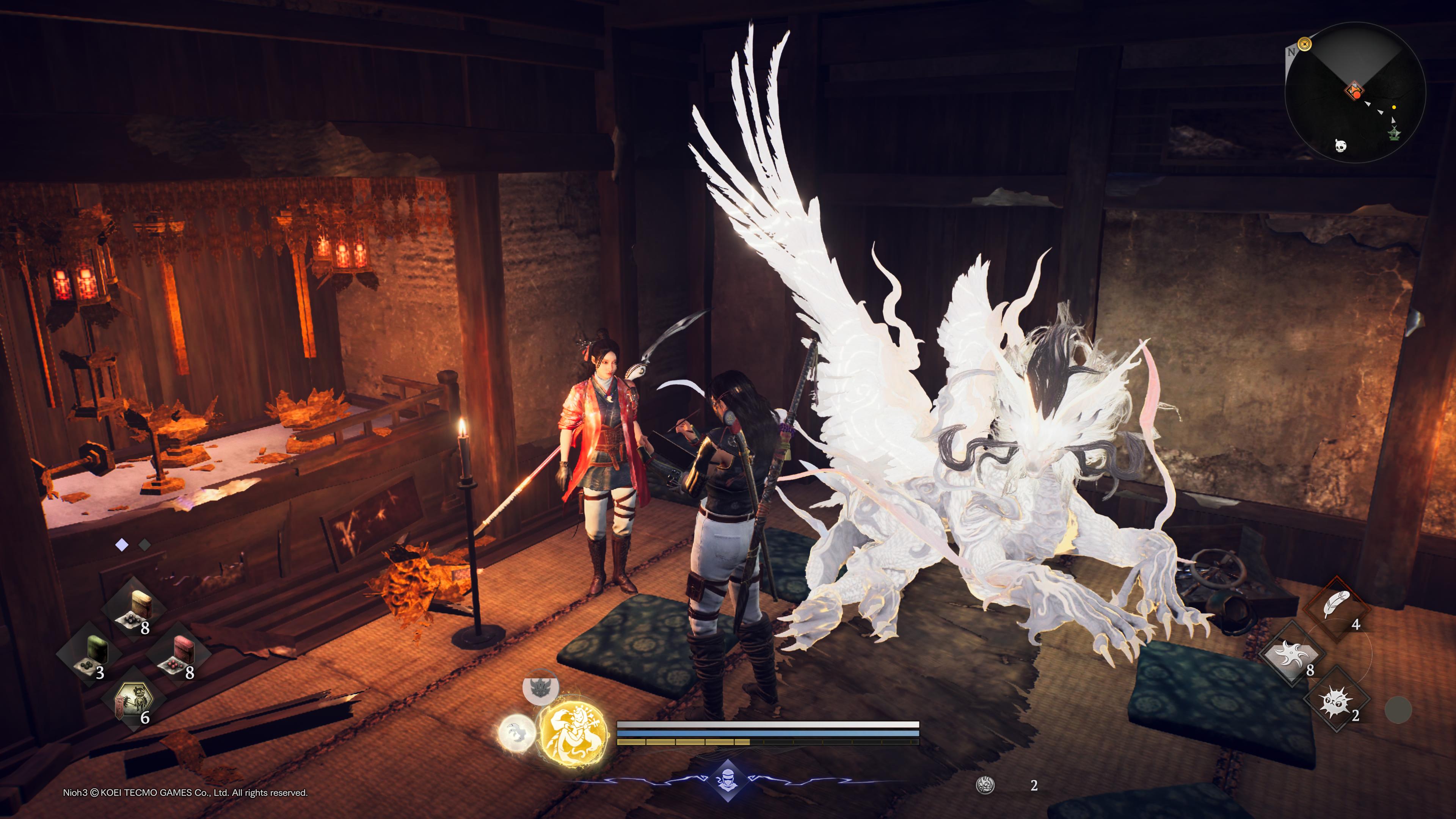
The most telling cluster of transmissions this week centers on Guardian Spirits and Spirit Veins. Multiple guides drill into:
- Every Guardian Spirit and Spirit Vein route
- How to sync spirits with weapon styles and elemental affinities
- Chaining Spirit Veins for burst damage and survivability in high-difficulty runs
This is a strong indication that Nioh 3’s endgame is architected around system mastery rather than just stat inflation. From a development update perspective, it shows Team Ninja doubling down on a layered combat ecosystem: Guardian Spirits aren’t cosmetic pets, they’re effectively build-defining sub-classes.
For designers, this is a textbook example of:
- Turning a lore element (yokai guardians) into a mechanical decision space.
- Using unlock routes (Spirit Veins) as soft progression rails that reward exploration and replay.
- Encouraging players to treat their loadout like a living build document, not a static choice.
Steel and Skill: Samurai vs. Ninja as Parallel Combat Economies
Another major spike in intel revolves around “Samurai and Ninja steel” — a full-spectrum breakdown of katanas, odachi, kunai, shuriken, and trick weapons. The emphasis on stance choices, scaling, and synergy suggests Nioh 3 is leaning into:
- Parallel combat economies (melee vs. ninjutsu) that can be blended rather than siloed.
- Stance-driven expression, where high-skill players are rewarded for context switching mid-fight.
- Elemental infusions that plug directly into Guardian Spirit choices for cross-system combos.
For #gamedev teams, this is a clear case of designing interlocking systems instead of isolated features. Weapon choice isn’t just a DPS question; it’s a statement about how you intend to interact with yokai abilities, Spirit Veins, and encounter pacing.
Completionist Cartography: Kodama, Hot Springs, Scampuss, and Six Jizo
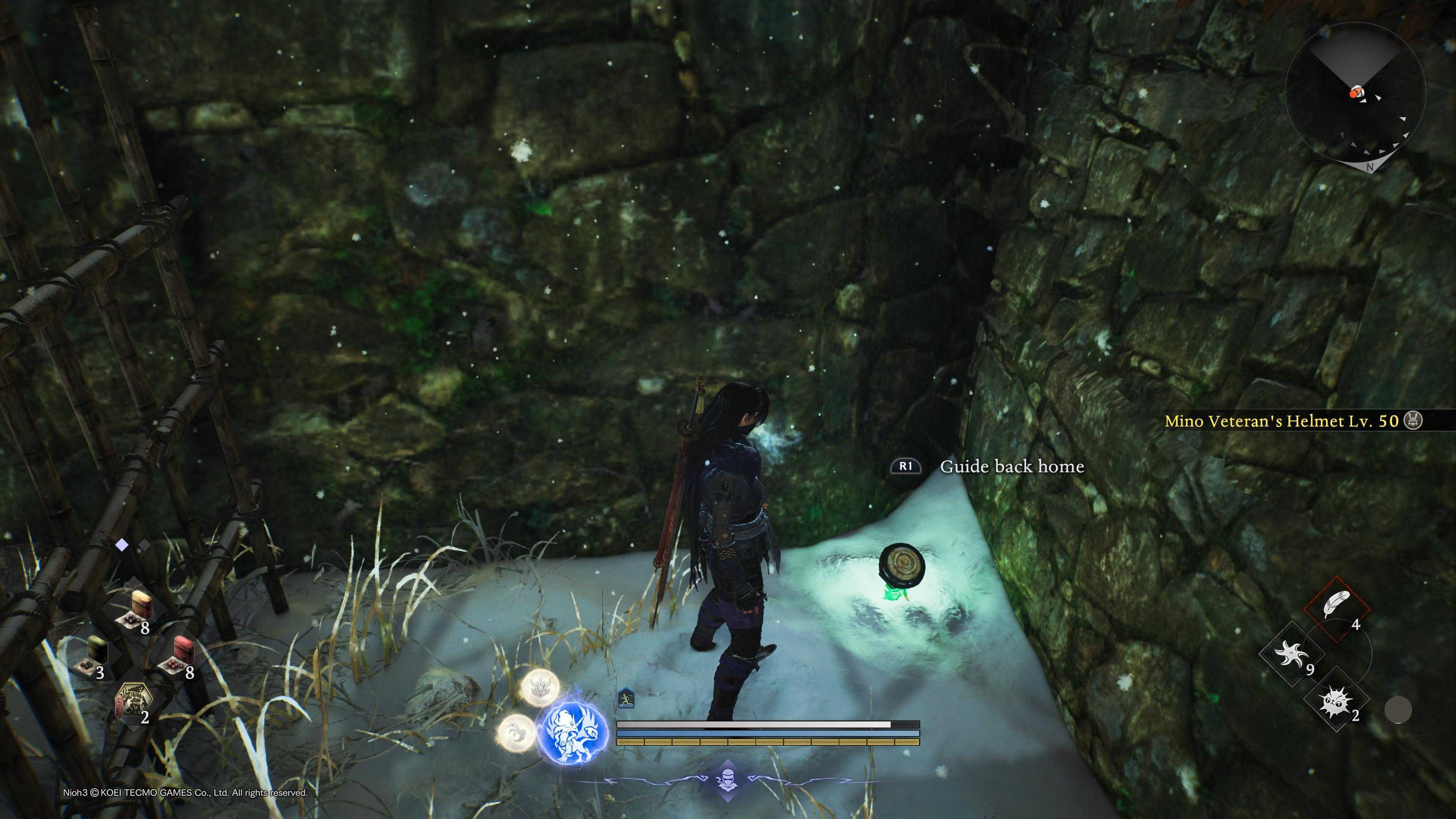
The densest chunk of this week’s activity is pure routing intel: every Kodama, every Hot Spring, every Scampuss variant, and all Six Jizo statues meticulously logged.
What stands out is how the intel is framed not just for players chasing 100%, but for:
- Level designers studying collectible placement and traversal incentives.
- Systems-focused devs analyzing how secrets reinforce progression loops.
- Encounter designers tracking how enemy layouts and landmarks guide players to (or away from) hidden content.
The repeated mention of “if your Nioh 3 save is stuck at 99%” indicates that completion is intentionally tight, with a small margin for missed secrets. That’s a design choice: Team Ninja is using micro-collectibles (Kodama, Jizo heads, Scampuss) as both reward and curriculum, teaching players to read the environment as if it were source code.
From a development update lens, this week confirms:
- Collectibles are structurally integrated, not bolted on—tied to shrine bonuses, buffs, and build optimization.
- Route planning is a first-class system, with guides treating levels like solvable graphs.
- Exploration is rewarded twice: once in raw bonuses, and again in meta-knowledge players can apply to new missions.
Market Signal: Why Nioh 3’s Design is Converting into Sales
Nioh 3’s position at the top of Steam’s charts isn’t just brand inertia. The activity feed points to a loop that other #indiegame and AA teams should be watching:
- High-complexity systems (Guardian Spirits, Spirit Veins, stances) generate demand for deep guides.
- Precision-tuned collectibles (Kodama, Scampuss, Jizo, Hot Springs) keep players engaged post-credits.
- Endgame optimization becomes its own content ecosystem, extending the game’s visibility well beyond launch.
Watch: Transmitting Gameplay footage from the field: Official Nioh 3 Trailer
For developers, the Nioh 3 signal this week is clear: if you want staying power, ship systems that reward obsessive mastery, support them with transparent unlock routes, and make your world design readable enough that players want to reverse-engineer it. Nioh 3 isn’t just winning fights on the battlefield—it’s winning in the design labs, too.
Sources and corrections
This archive entry does not have a verified article-source list. Images and video embeds alone are not evidence for every claim.
Found an error? Request a correction. Include the passage and a supporting source.