Automated archive / Nioh 3
Nioh 3’s Spirit Vein Meta Is Quietly Redefining the Samurai ARPG
Nioh 3’s latest intelligence burst shows Guardian Spirits and Spirit Veins quietly taking over the meta, turning spiritual systems into the core of buildcraft. For designers and players alike, the game is fast becoming a live case study in how far you can push depth without losing clarity.
AI-generated summary. This archive article does not have a current recorded source check. Check linked sources before relying on details. Editorial policy
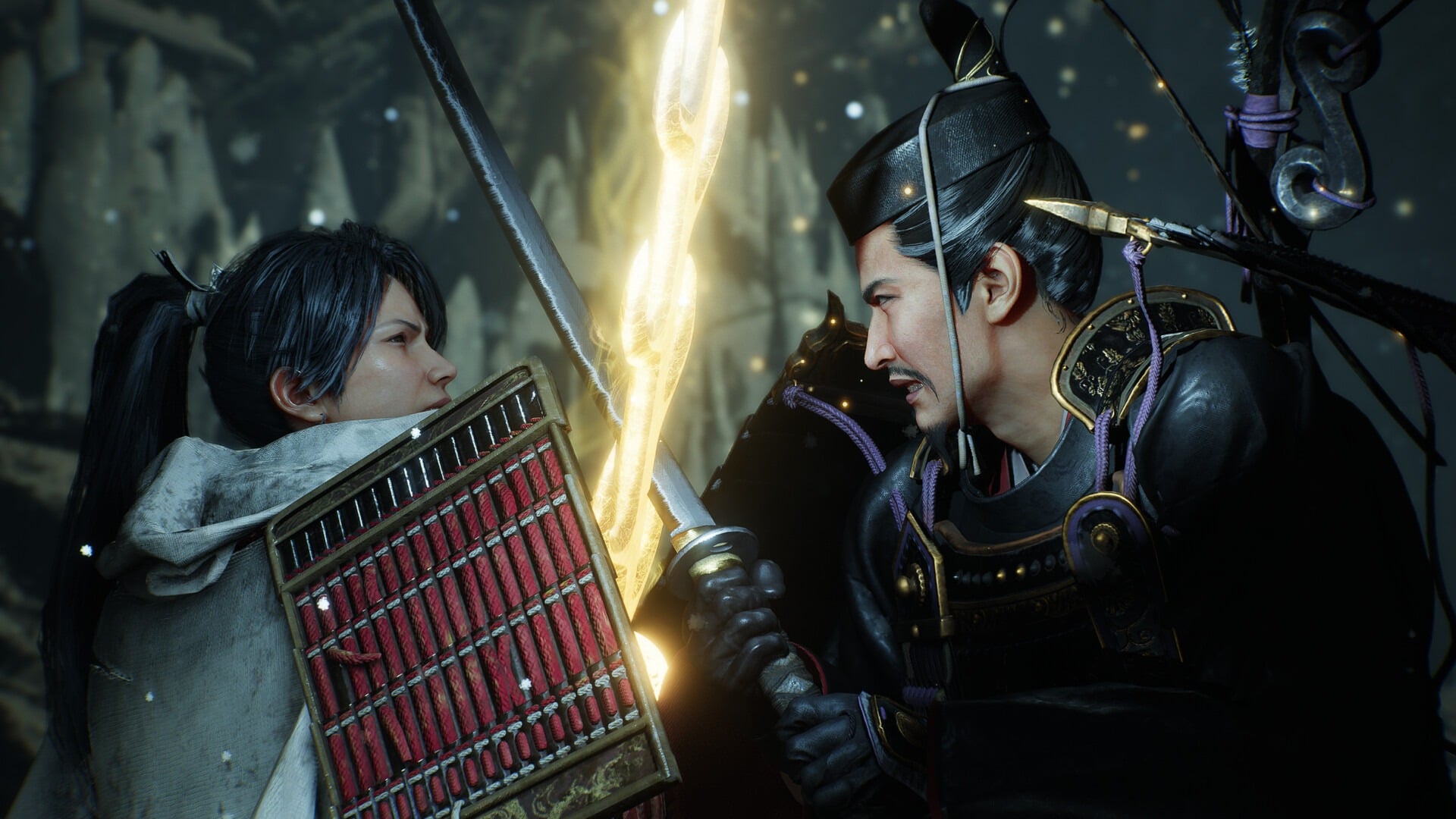

Sector Intelligence Report // Nioh 3 Weekly Briefing
Nioh 3’s latest data pulse doesn’t scream new patch or headline feature, but the telemetry from the last seven days paints a clear picture: the meta is crystallizing around Guardian Spirits, Spirit Veins, and high-precision buildcraft. For #gamedev teams watching how hardcore systems land with players—and for #indiegame designers studying complex combat economies—Nioh 3 is quietly running a live A/B test on how far you can push mechanical depth before friction turns into flow.
Guardian Spirits & Spirit Veins: The New Strategic Center
The most significant signal this week is the emphasis on Guardian Spirits and Spirit Veins. Multiple transmissions drill into not just what they are, but how they synergize with weapons, elements, and yokai abilities.
From Passive Buffs to Active Loadout Pillars
The community-facing breakdown of every Guardian Spirit and its Spirit Vein routes reframes them from passive modifiers into primary build anchors. Instead of “pick a spirit that fits your element,” the emerging meta is:
- Start with desired encounter profile (burst vs sustain, defense vs execution windows).
- Select a Guardian Spirit that aligns with that tempo.
- Chain Spirit Veins to create predictable power spikes in boss phases and high-difficulty runs.
For designers, this is a strong case study in turning what could have been a simple talent tree into a spatial progression network that doubles as narrative lore and mechanical routing.
Endgame Routing as a Systems Puzzle
The “full Guardian Spirit route” intel is especially telling. Players are hungry for:
- Exact mission requirements and unlock conditions.
- Optimal Spirit Vein progression orders to avoid late power spikes arriving too late.
- Efficient routes for trophies, New Game cycles, and min-maxed builds.
This suggests Nioh 3’s endgame is functioning like a systems puzzle rather than a simple gear treadmill—an approach many #indiegame studios try to emulate with far fewer resources. The risk is opacity; the reward, as the guide traction shows, is long-tail engagement from players who treat the game like a lab.
Watch: Transmitting Gameplay footage from the field: Official Nioh 3 combat operations brief
Samurai Steel vs Ninja Steel: Dual Identity, Single Ecosystem
Another high-traffic transmission dissects Samurai and Ninja arsenals—katanas, odachi, kunai, shuriken, and trick weapons—through the lens of stance choice, scaling, and skill synergy.
Stance-Driven Combat as UX
Nioh 3 continues to double down on stance-driven combat as its primary readability layer:
- High stance: commitment, burst, and risk.
- Mid stance: stability and neutral control.
- Low stance: mobility, dodge-cancel windows, and reactive play.
The intel emphasizes how stance selection isn’t just a combat flourish; it’s the front-end UI for deep math—scaling values, animation frames, and ki economy. For #gamedev teams, this is a reminder that the most complex systems often need the simplest possible surface language to be legible.
Hybrid Builds as the Emerging Standard
The report on “Samurai and Ninja Steel” strongly implies that hybridization is the default, not the edge case. Players are:
- Pairing heavy odachi with ninjutsu for gap-closing and setup.
- Running agile kunai and shuriken as tempo tools to manage boss patterns.
- Using elemental infusions to align with Guardian Spirit affinities and Spirit Vein routes.
For balance designers, this is a warning and an opportunity: when the meta encourages hybrids, you must ensure that specialist builds still feel viable and that no one route (e.g., burst ninjutsu + aggressive spirit) becomes strictly dominant.
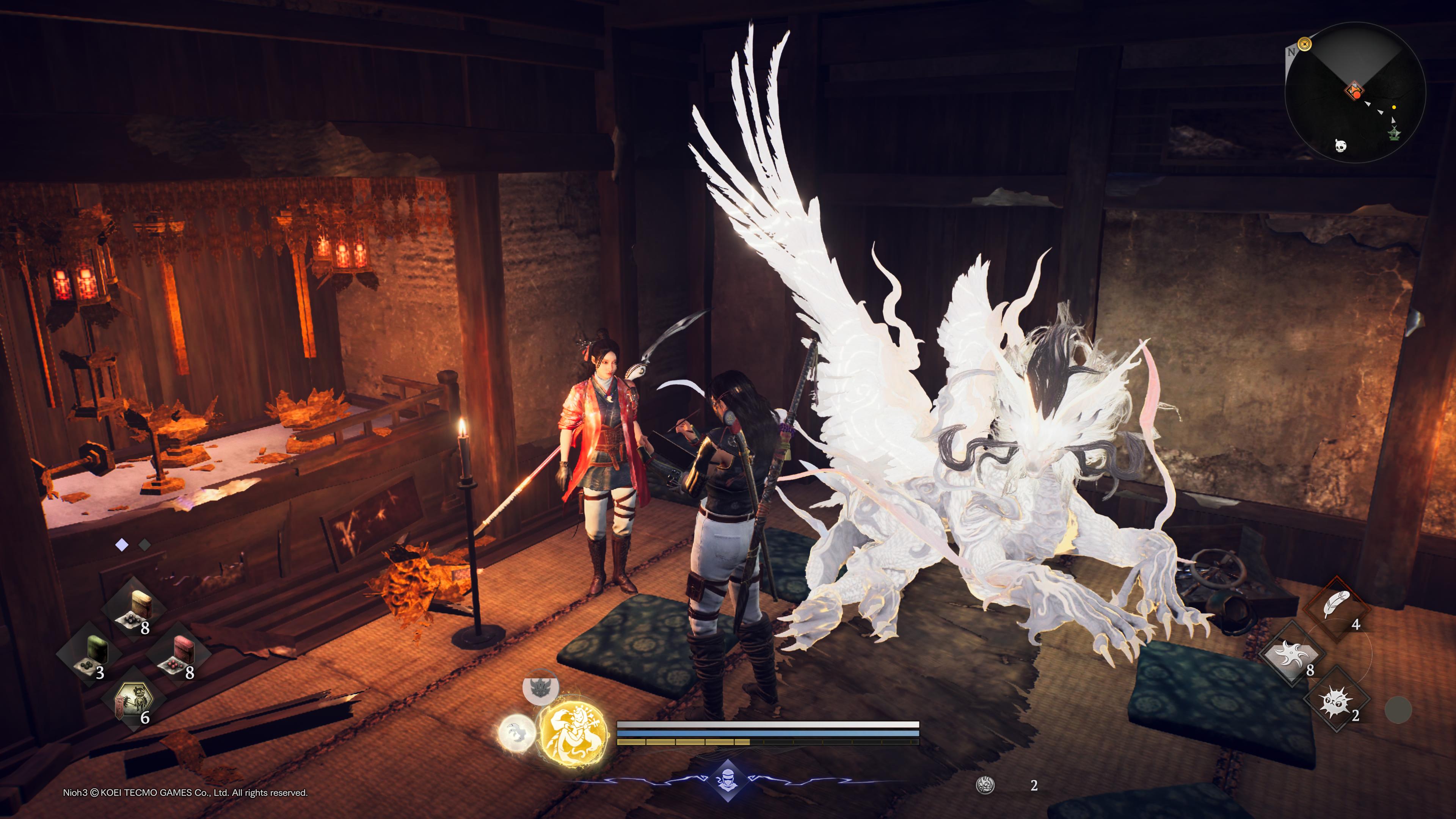
Spirit Vein Mastery: Progression as Player Authorship
The dedicated “Master Every Spirit Vein” transmission leans heavily into completionist psychology. It doesn’t just list unlocks; it maps an efficient route through Nioh 3’s Spirit Vein network.
Why This Matters for Development
For Nioh 3’s own team—and for other studios tracking this space—the trend is clear:
- Players respond strongly to transparent progression topology when systems are deep.
- They’re willing to engage with complex unlock chains if the payoffs are transformative (new Guardian Spirits, new build archetypes) rather than incremental.
- Community-generated routing effectively extends the UX layer beyond the game client into wikis, videos, and guides.
In other words, the design of Spirit Veins assumes—and leverages—the existence of an external knowledge economy. That’s a powerful, but deliberate, design choice.
Tactical Takeaways for Designers and Players
For players:
- Treat Guardian Spirits as your primary build axis; weapons and ninjutsu are satellites.
- Plan your Spirit Vein route early if you’re aiming for high-difficulty or NG+ cycles.
- Use stance and weapon choice to express tempo, not just damage.
For #gamedev and #indiegame teams:
- Nioh 3 shows that high-friction systems can thrive if they’re thematically cohesive (samurai + yokai + spirits) and offer meaningful, visible power spikes.
- Endgame routing can be a design feature, not just a byproduct, when you expect and support community intelligence work.
As Nioh 3’s cycle continues, expect the meta to harden around a few dominant Spirit Vein paths—unless future development updates shake the tree. For now, the signal is clear: spiritual systems aren’t side dishes in Nioh 3; they’re the main course.
Sources and corrections
This archive entry does not have a verified article-source list. Images and video embeds alone are not evidence for every claim.
Found an error? Request a correction. Include the passage and a supporting source.