Automated archive
Switch 2’s Strong First Year Meets a Mascot-Sized Question Mark
Nintendo Switch 2 closes its first year with strong hardware performance and a surging German market, but a surprising absence of Mario- and Zelda-scale tentpoles. As Nintendo throttles production in response to softer US demand, third-party and indie teams face a rare opportunity window before the mascots arrive.
AI-generated summary. This archive article does not have a current recorded source check. Check linked sources before relying on details. Editorial policy
Sector Overview: Switch 2’s First-Year Campaign
Nintendo Switch 2 enters the end of its first year in the field with a paradoxical status report: hardware performance is robust in key territories, third-party support is healthier than during the original Switch launch window, yet the console’s long-term cultural momentum is being tested by the conspicuous absence of Nintendo’s heaviest-hitting mascots.
In pure deployment terms, the nintendo switch 2 has achieved what most platform holders would consider a successful opening salvo. Supply chains stabilized quickly post-launch, and early adopters have validated the platform’s technical uplift with a solid attach rate across third-party titles and mid-tier releases. From a #gamedev standpoint, this first year has functioned as a live-fire test of Nintendo’s new hardware profile: better CPU/GPU headroom, expanded memory, and more predictable performance targets than the aging hybrid predecessor.
Yet, the activity feed from the last seven days highlights a growing tension: the hardware is on the shelves, but Mario, Zelda, and Donkey Kong remain largely off the front line.
Mascot Silence: A Strategic Delay or Risky Hesitation?
Analysts are flagging a notable absence: Switch 2’s first year has not been anchored by a new mainline Mario or Zelda, nor a fresh Donkey Kong offensive. Instead, Nintendo appears to be staging a slow-burn campaign—leaning on enhanced ports, remasters, and third-party partnerships while keeping its core mascot IP in reserve.
From a market perspective, this is a double-edged tactic:
Potential Upside
- Precision-timed tentpoles: Holding flagship IP for later years could extend the platform’s lifecycle, spacing out major demand spikes instead of front-loading everything into year one.
- Room for #indiegame and AA growth: With fewer first-party behemoths crowding the calendar, smaller teams can secure more visibility on the eShop and in media cycles. For developers, that translates to better discoverability and more sustainable sales tails.
Potential Risk
- Softened mainstream pull: Without a defining “must-own” mascot title, the value proposition for late adopters—especially families and casual players—becomes more price-sensitive.
- Brand narrative gap: Switch 1 had Breath of the Wild as its identity anchor. Switch 2, so far, lacks that singular, system-defining story.
For #gamedev teams, this environment is oddly fertile. The absence of constant first-party shockwaves means more stable visibility windows and fewer weeks where the store is effectively dominated by a single Nintendo release.
Production Throttle: Demand Signals Turn Cautionary
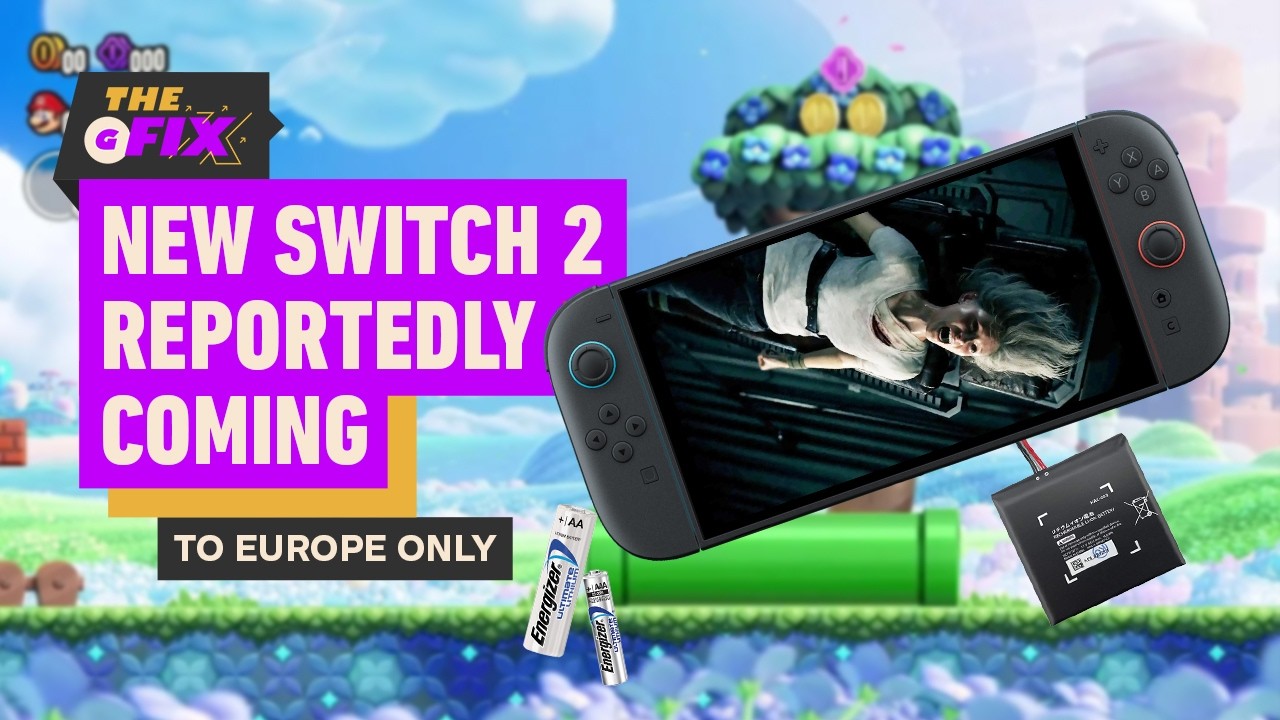
The most critical signal this week is Nintendo’s reported decision to dial back Switch 2 production. Internal planning for the current quarter is said to be dropping from a projected 6 million units to roughly 4 million, with the US market identified as the softest node in the global network.
Two separate transmissions in the feed converge on the same reading:
- Holiday sales underperformed expectations in the US, prompting a recalibration of manufacturing output.
- Nintendo is moving to avoid overstock and premature discounting, protecting ASP (average selling price) and brand positioning.
This is not a retreat, but a classic Nintendo maneuver: tighten the supply valve, sustain perceived scarcity, and buy time to align marketing, software drops, and regional bundles. For developers, particularly those planning a Switch 2 SKU, the implications are tactical rather than existential:
- Launch timing matters more: Releasing into a quarter with constrained but high-intent hardware supply can be advantageous, especially if you’re aligned with a promotional beat or themed hardware bundle.
- Physical supply planning: Publishers should be conservative on physical runs in the US until demand clarity improves; digital-first strategies are safer in the near term.
Germany: A Bright Node in the European Grid
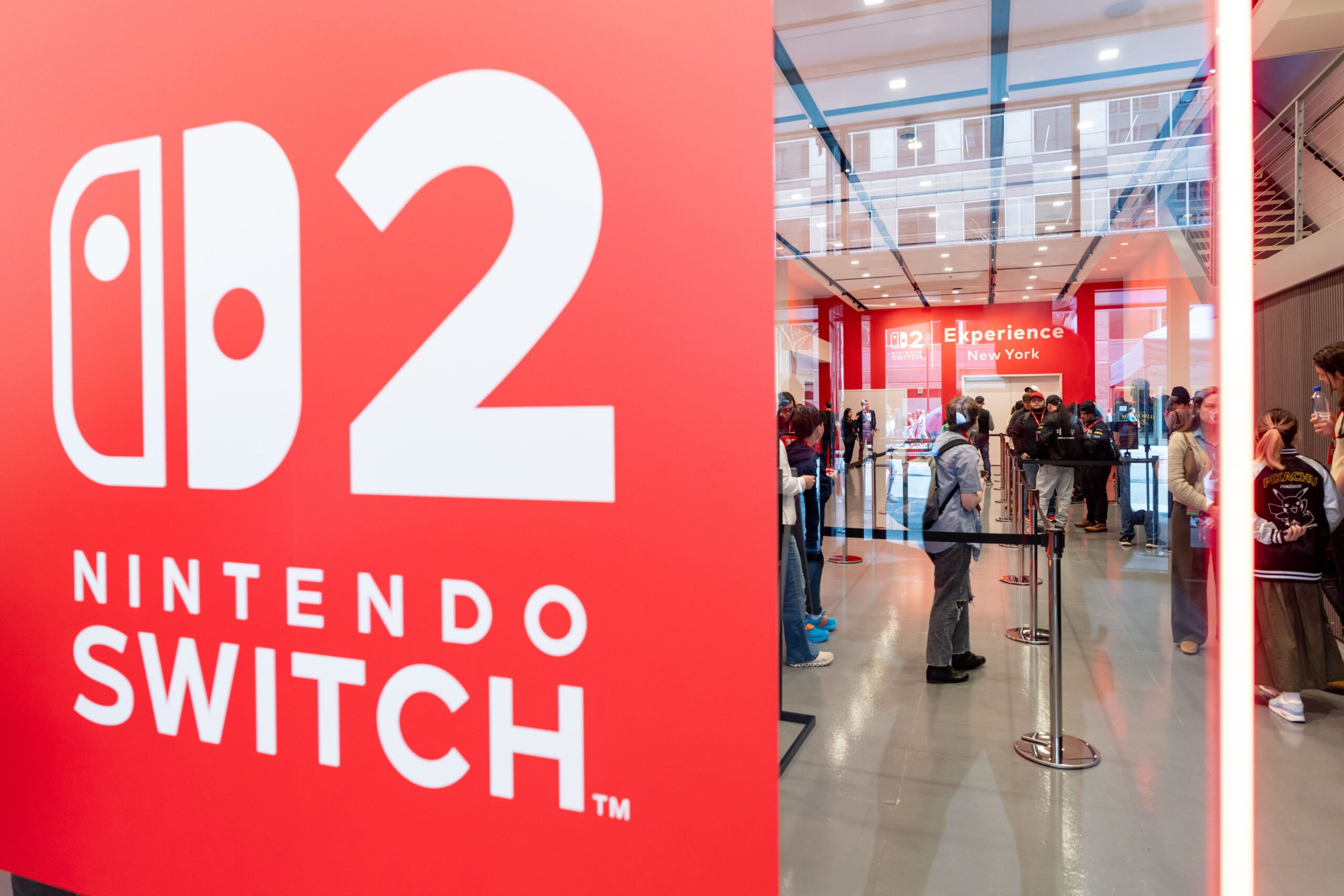
While the US is flashing yellow, Germany is flashing green. The German games market surged 4% in 2025 to €9.4 billion, with console hardware singled out as the primary growth engine—and the Switch 2 rollout explicitly identified as the main catalyst.
Key takeaways for studios and publishers:
- Germany is a priority Switch 2 theater: If you’re budgeting localization, marketing, or physical distribution, Germany should be high on your list of target territories.
- Hardware momentum equals attach opportunity: A rising install base, especially early in the lifecycle, is prime ground for both premium titles and mid-priced experiments.
- Platform positioning: With PlayStation and Xbox focusing heavily on high-end 4K ecosystems, Switch 2 can occupy a flexible niche in German households—family device, portable companion, and secondary console.
For #indiegame teams, Germany’s appetite for narrative-driven, stylized, and mechanically distinct titles has historically been strong. Aligning your Switch 2 release with local trade events, influencer circuits, and regional sales promotions can compound that hardware momentum.
Development Intel: What Switch 2’s First Year Means for #gamedev
Watch: Transmitting Gameplay footage from the field: Official Nintendo Switch 2 experience reel
From a development update perspective, the past week’s signals reinforce several patterns:
1. The Window Before the Mascots
Until Nintendo deploys a major Mario or Zelda, Switch 2’s release calendar will lean more heavily on third parties and indies to generate day-to-day relevance. That’s a rare opportunity:
- Higher feature probability: Media and platform-holder spotlights are less congested, increasing the odds of landing on the front page of the eShop or in official showcases.
- Longer tail potential: Without massive first-party drops constantly resetting the conversation, strong word-of-mouth can compound over weeks instead of days.
2. Technical Baseline: More Predictable Than Switch 1
Early field reports from developers indicate that Switch 2 offers a more stable and predictable performance envelope than the original Switch. For #gamedev teams, that translates into:
- Cleaner cross-platform pipelines with fewer extreme downscaling passes.
- Better fit for modern engines (Unreal, Unity, custom tech) targeting 60fps modes or higher-fidelity visuals.
- More ambitious systemic design—AI, physics, and simulation-heavy titles are more viable on Nintendo hardware than in 2017.
3. Risk Management in a Throttled Supply Environment
With Nintendo tightening production in response to softer US demand, devs should:
- Model conservative early-unit assumptions for the US, more optimistic ones for Germany and other high-momentum EU territories.
- Plan staggered content beats (updates, DLC, events) to sync with potential future hardware pushes or mascot launches that could spike the install base.
Strategic Outlook: Watching for the First Flagship Strike
The Switch 2’s first year closes with three core truths:
- Hardware fundamentals are sound, particularly in Europe, where Germany is emerging as a flagship market.
- US demand is softer than Nintendo hoped, triggering a measured production throttle rather than a panic response.
- Nintendo’s mascots remain holstered, leaving an unusual vacuum that third-party and #indiegame teams can exploit—at least for now.
The next phase of the campaign hinges on when Nintendo decides to deploy a true flagship: a mainline Mario, Zelda, or Donkey Kong engineered specifically around Switch 2’s strengths. When that moment hits, every title already embedded in the ecosystem stands to benefit from a sharp install-base spike.
For developers and publishers, the tactical guidance is clear: build now, optimize hard for Switch 2, prioritize Germany and other high-momentum territories, and be ready to ride the wave when Nintendo finally sends its mascots into the field.
Sources and corrections
This archive entry does not have a verified article-source list. Images and video embeds alone are not evidence for every claim.
Found an error? Request a correction. Include the passage and a supporting source.