Automated archive
Nintendo Switch 2 Enters Its First Real Stress Test
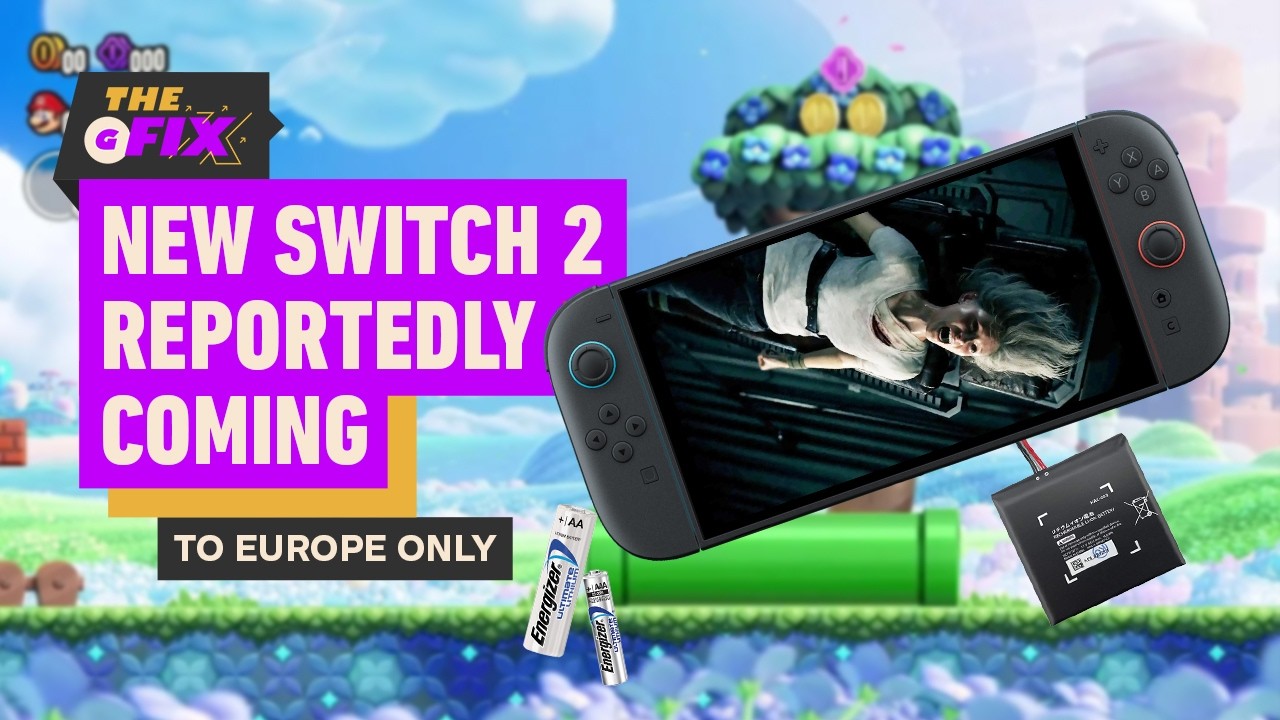
Nintendo Switch 2 is entering its first real stress test: strong European hardware momentum, softening US demand, and a conspicuous absence of Mario and Zelda. This week’s intel suggests a platform in controlled escalation, with a rare visibility window for third-party and indie developers before Nintendo’s mascots...
AI-generated summary. This archive article does not have a current recorded source check. Check linked sources before relying on details. Editorial policy
Sector Overview: A Strong First Year, But Strategic Silence From the Mascots
The Nintendo Switch 2 is exiting its launch window with contradictory signals: robust global hardware deployment, clear third-party enthusiasm, but a conspicuous absence of Nintendo’s heaviest-hitting mascots. From a #gamedev and market-ops perspective, this is shaping up less like a traditional platform launch and more like a staggered, long-tail campaign.
Analysts tracking the nintendo switch 2’s first-year performance point to solid fundamentals: good hardware uptake in key territories, strong third-party pipelines, and a platform that’s already become a preferred target for multi-platform releases and higher-end ports. What’s missing is the usual early-generation shock-and-awe from Mario, Zelda, and Donkey Kong—an absence that’s starting to influence both demand curves and perception among core players.
Deployment Metrics: Germany Emerges as a High-Value Node
The most striking datapoint from the last week comes out of Europe: Germany’s games market climbed 4% in 2025, hitting €9.4bn, with console hardware flagged as the primary growth driver. Within that surge, the Nintendo Switch 2 rollout is identified as a central catalyst.
From a sector intelligence standpoint, this matters for two reasons:
1. Hardware-Led Growth in a Mature Market
In a territory where digital software and services often dominate growth narratives, seeing hardware drive the uplift suggests that Switch 2 has successfully pierced a mature, price-sensitive ecosystem. For developers—especially #indiegame teams—this signals a platform with expanding addressable audience and healthy retail presence.
2. Platform Confidence for European Studios
A rising German hardware base translates into a more attractive install foundation for European studios planning mid-budget or AA projects. If Nintendo can maintain momentum here, expect more regionally-led Switch 2 exclusives, timed exclusives, and cross-funding deals that lean on Germany’s strong retail and media infrastructure.
Demand Turbulence: US Becomes the Soft Node
Counterbalancing the German surge is a more worrying signal from the US. Multiple reports now indicate Nintendo is throttling Switch 2 production, scaling down from a planned 6 million units this quarter to around 4 million. The core driver: softer-than-expected holiday performance and cooling demand indicators stateside.
From a strategic perspective, this looks less like a confidence crisis and more like a classic Nintendo maneuver: protect ASP (average selling price), avoid inventory overhang, and preserve the option to trigger later demand spikes via software events or limited-edition hardware.
For developers, however, this has immediate tactical implications:
-
Install Base Growth May Be Less Linear in North America
Studios banking on explosive early US adoption may need to recalibrate sales forecasts, especially for titles targeting late 2026–2027. -
Marketing Windows Become More Critical
With Nintendo tightening supply, launch timing against hardware restocks and first-party beats will matter more than usual. Hitting a window where hardware is scarce but hype is high could be disastrous for discoverability.
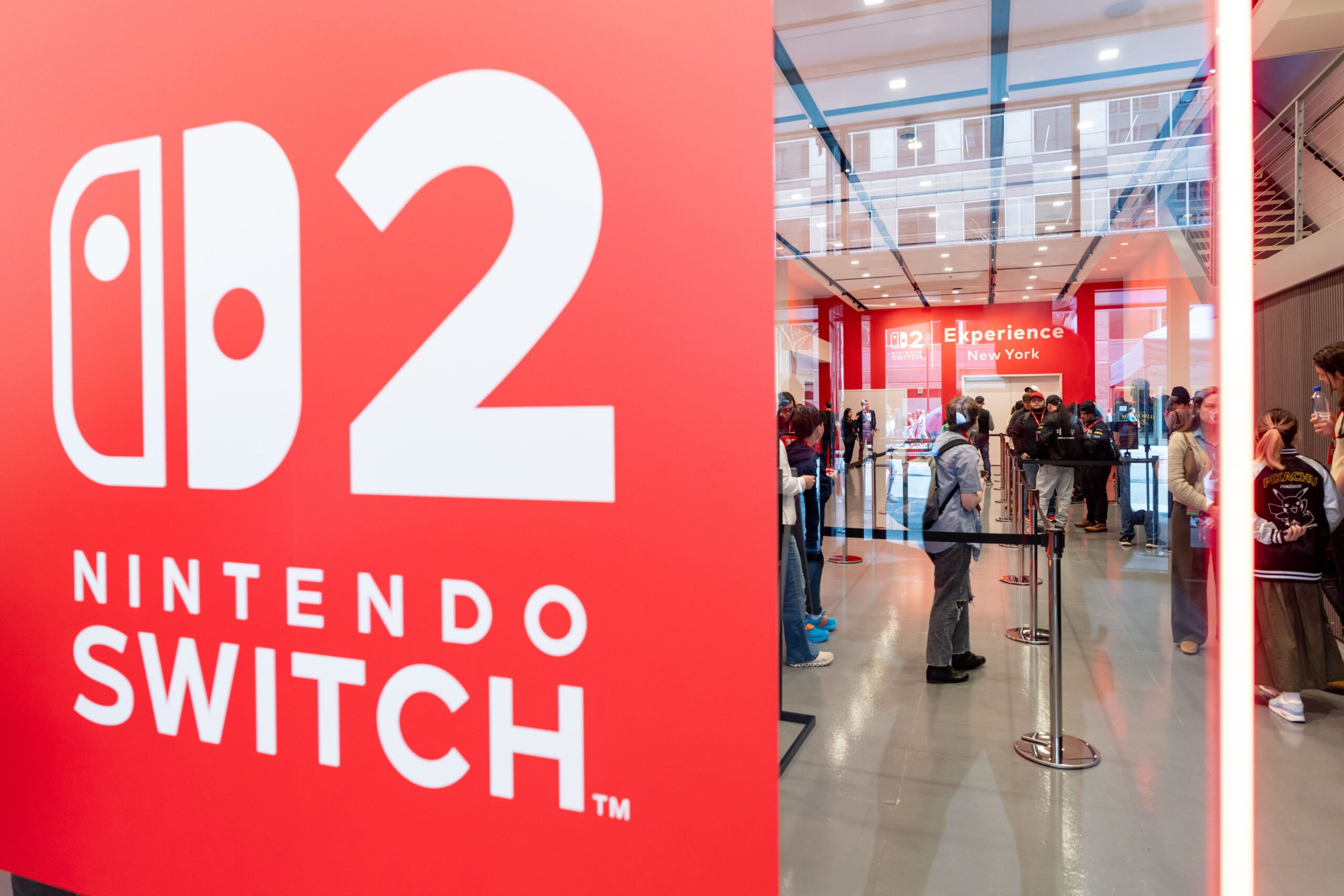
Watch: Transmitting Gameplay footage from the field: Official Nintendo Switch 2 experience reel
The Mascot Gap: Where Are Mario and Zelda?
The most debated strategic question around the nintendo switch 2 right now is simple: where are Nintendo’s mascots?
Historically, Nintendo has used early-generation Mario or Zelda deployments as demand warheads, capable of re-accelerating hardware sales and anchoring the platform’s technical identity. On Switch 2, that playbook appears to be on hold. Instead, we’re seeing a mix of:
- Enhanced ports and cross-gen upgrades
- Third-party and indie showcases
- Mid-tier first-party experiments rather than full-fat flagship launches
This creates a tension in the market narrative:
-
Pros:
Nintendo preserves its crown jewels for more precise timing—potentially aligning a mainline Mario or Zelda with peak manufacturing efficiency, stronger cost control, and a larger installed base. This could extend the console’s mid-cycle momentum and avoid the classic early spike/late slump pattern. -
Cons:
Without early flagship IP, the platform risks a perception gap. Enthusiasts and core players may hesitate, reading the mascot silence as a sign that the generation hasn’t truly “started” yet. That hesitation is likely amplifying the US demand softness.
For #gamedev teams, the mascot gap is both risk and opportunity. On one hand, slower adoption curves can dampen early sales. On the other, the absence of a Mario/Zelda-sized gravity well gives third-party and #indiegame releases more room to capture attention in the critical first two years.
Third-Party & Indie Outlook: A Window of Unusual Visibility
With Nintendo’s own flagship brands off the immediate frontline, the nintendo switch 2 landscape temporarily favors agile studios and strong mid-tier publishers.
Key implications:
1. Discovery Channels Are Less Crowded—For Now
Without a constant drumbeat of giant first-party drops, platform marketing and storefront curation have more bandwidth for third-party and indie titles. This is an unusually favorable alignment for:
- Visually distinctive #indiegame projects that can pop on the eShop front page
- Cross-platform AA titles that might otherwise be overshadowed
- Experimental genres and new IP targeting Switch-first audiences
2. Technical Targeting Becomes More Predictable
With hardware supply being actively managed and production throttled rather than chaotic, studios can model more realistic install-base curves. For #gamedev teams planning 18–24 month pipelines, this stability is often more valuable than raw explosive growth.
Strategic Forecast: Precision Strikes Over Shock-and-Awe
The last week of intel paints a picture of a platform in controlled escalation rather than runaway expansion. Germany’s surge proves that when conditions align, Switch 2 can still ignite hardware demand. The US slowdown and production cutbacks show Nintendo is willing to sacrifice short-term volume to safeguard pricing power and optionality.
The missing piece is the timing of Nintendo’s flagship IP deployments. When Mario, Zelda, and Donkey Kong finally move, expect those launches to be framed as strategic “campaign beats” rather than routine releases—likely paired with:
- Coordinated hardware restocks
- Special edition SKUs
- Aggressive global marketing pushes
For now, developers and publishers should treat this as a rare early-generation window where third-party narratives can define the nintendo switch 2’s identity. The moment Nintendo’s mascots enter the theater, that balance will shift—and the platform’s true trajectory will finally come into focus.
Sources and corrections
This archive entry does not have a verified article-source list. Images and video embeds alone are not evidence for every claim.
Found an error? Request a correction. Include the passage and a supporting source.