Automated archive
Nintendo Switch 2 Supply Throttle, EU Chassis Lock-In, and What It Signals for Devs
Nintendo is quietly recalibrating its Nintendo Switch 2 rollout, throttling near-term production while locking in a redesigned European chassis. For developers, this isn’t a red flag—it’s a directive to plan for a leaner, more controlled launch window with sharper technical and commercial discipline.
AI-generated summary. This archive article does not have a current recorded source check. Check linked sources before relying on details. Editorial policy
Sector Overview: A Next-Gen Rollout That Just Blinked
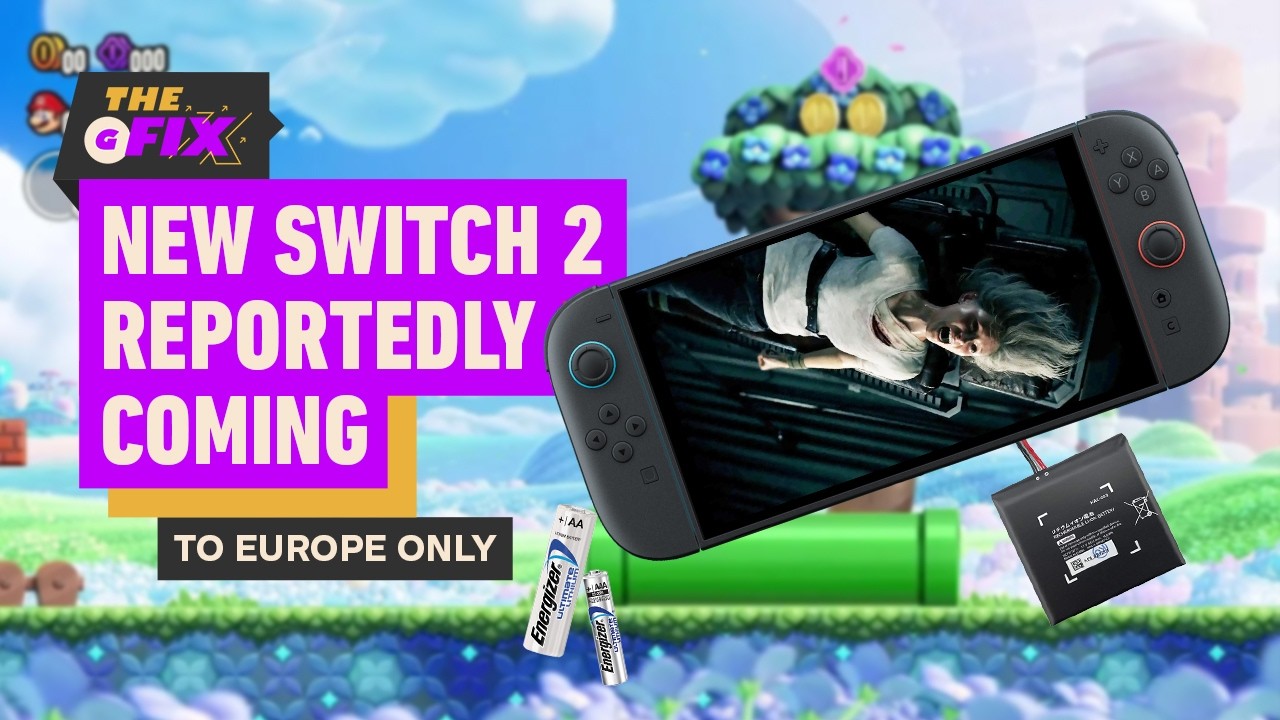
Nintendo Switch 2 is still the most-watched hardware move in the console space, but the last seven days of intel point to a quieter, more tactical deployment than many expected. Reports indicate Nintendo is dialing back production targets after softer-than-expected holiday demand in the US, while a redesigned European chassis has reportedly entered production. For studios planning 2026–2027 roadmaps, this isn’t background noise—this is a live-fire market adjustment that will impact launch windows, SKU planning, and monetization strategies across #gamedev and #indiegame pipelines.
Signal Shift: Production Throttled, Not Aborted
Recent transmissions suggest Nintendo is cutting near-term Nintendo Switch 2 production from ~6M units to ~4M for the current quarter. The language here matters: this is not a cancellation or a platform wobble—it’s a cadence recalibration.
Why the Throttle Matters
- US demand flagged as a weak node: Softer holiday performance is prompting a reassessment of how aggressive Nintendo can be with early inventory, particularly in its historically critical North American theater.
- Overstock risk avoidance: Nintendo is clearly trying to avoid the classic next-gen trap—overproducing early, then discounting hardware too soon and eroding price integrity.
- Tighter allocation strategies: Expect constrained day-one and quarter-one stock in multiple territories, with a premium on pre-orders and early allocation deals.
For developers, this directly affects attach-rate assumptions. A smaller installed base in the first 6–12 months means:
- Launch titles may see higher visibility but lower raw volume.
- Mid-tier and #indiegame projects should model slower ramp curves on Nintendo Switch 2, especially in the US.
- Cross-platform strategies (PC/PS5/Xbox + nintendo switch 2) become even more important to stabilize revenue.
European Chassis Lock-In: Hardware Spec Horizon Coming Into Focus
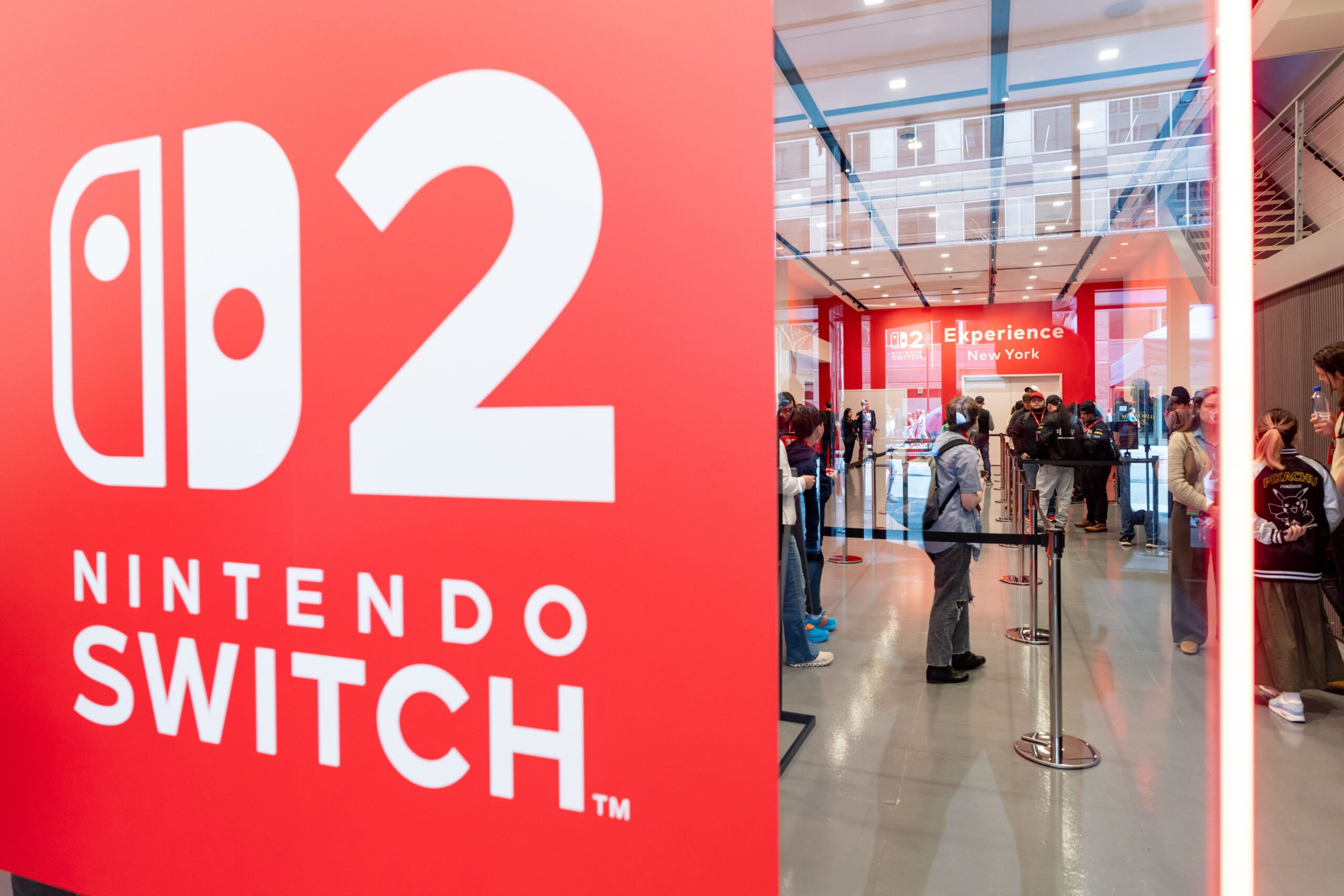
Field intel points to a redesigned Nintendo Switch 2 chassis entering production for the European market. This is a key milestone: it strongly suggests Nintendo is hard-locking final hardware specs, at least for one major region.
What the EU Variant Implies
- Form-factor adjustments: Minor but meaningful tweaks—ergonomics, heat profile, or Joy-Con rail tolerances—may be getting finalized based on late-stage testing.
- Region-specific compliance: EU regulations (thermal, materials, power, packaging) can drive subtle hardware differences that still matter for accessories and peripheral makers.
- Dock and Joy-Con interface changes: Any shift in dock architecture, I/O layout, or controller communication protocol can impact:
- Performance profiles in docked vs. handheld modes.
- How devs handle dynamic resolution, refresh targets, and power budgets.
- Input latency, HD rumble-style features, and motion control fidelity.
For #gamedev teams, this is the moment to:
- Push for final or near-final dev kit parity with EU-bound retail specs.
- Start locking in performance targets (e.g., 30 vs 60fps, 1080p vs 1440p docked) rather than relying on overly conservative cross-gen assumptions.
- Coordinate with middleware providers (engines, netcode, audio stacks) on Switch 2–optimized branches.
Market Strategy: Leaner Launch, Sharper Targeting
Nintendo’s tactical pullback in production suggests a more disciplined, margin-protective launch for Nintendo Switch 2.
What This Means for Release Calendars
- Launch window compression: With fewer units, Nintendo is incentivized to cluster high-impact first-party and key partner titles, amplifying perceived demand.
- High scarcity signaling: Limited early inventory can drive FOMO, but it also means third-party titles may face attach-rate volatility based on who actually gets hardware first (core fans vs. casuals).
- Staggered regional emphasis: The EU chassis move suggests Europe may get a more synchronized, better-aligned rollout than prior cycles, especially if US demand remains muted.
Studios targeting Nintendo Switch 2 should:
- Treat Q1–Q2 post-launch as a slow-burn audience build, not an instant install-base explosion.
- Consider delayed physical runs or smaller initial print quantities, especially for boxed #indiegame releases.
- Lean into cross-buy, cross-save, and cloud-save ecosystems where possible to soften the impact of a staggered hardware ramp.
Development Update: Technical Readiness and Risk Management
From a production standpoint, Nintendo’s current moves are a signal to stabilize, not stall your Nintendo Switch 2 plans.
Actionable Steps for Dev Teams
- Lock-in engine branches: Ensure your Unreal/Unity/custom engine forks are aligned with the latest Nintendo Switch 2 SDK and hardware assumptions.
- Profile early, profile often: Use current dev kits to stress-test memory and power budgets; expect handheld mode to remain the stricter constraint.
- Plan for dual-SKU optimization: If you’re shipping on both Switch 1 and Nintendo Switch 2:
- Treat Switch 1 as the baseline performance floor.
- Use Nintendo Switch 2 for higher-res assets, better shadows, improved texture filtering, and faster loading.
- Marketing and PR pacing: With a leaner hardware ramp, time your campaign beats to when retail availability is more stable, not just around platform launch day.
Intelligence Wrap-Up: Reading the Trajectory
Watch: Transmitting Gameplay footage from the field: Official Nintendo Switch 2 broadcast
Nintendo’s latest maneuvers around Nintendo Switch 2—production throttling in response to soft US demand and EU-focused chassis finalization—paint a picture of a platform holder prioritizing price integrity, regional compliance, and controlled rollout over brute-force volume.
For #gamedev and #indiegame creators, the signal is clear:
- Don’t overestimate the early install base, but don’t underestimate the platform’s long-tail potential.
- Use this recalibration window to tighten your technical implementation, refine performance targets, and negotiate better placement in a more curated launch ecosystem.
- Treat Nintendo Switch 2 not as a delayed opportunity, but as a disciplined one—where teams that plan for a slower, smarter ramp are likely to win the cycle.
Sources and corrections
This archive entry does not have a verified article-source list. Images and video embeds alone are not evidence for every claim.
Found an error? Request a correction. Include the passage and a supporting source.