Automated archive
Nintendo Switch 2 Enters Controlled Burn After Holiday Demand Wobbles
Nintendo is shifting the Nintendo Switch 2 rollout into a controlled burn, throttling production and finalizing regional hardware variants as US demand softens. For developers, this isn’t a red light—it’s a call to recalibrate timelines, cross-gen strategies, and performance targets.
AI-generated summary. This archive article does not have a current recorded source check. Check linked sources before relying on details. Editorial policy
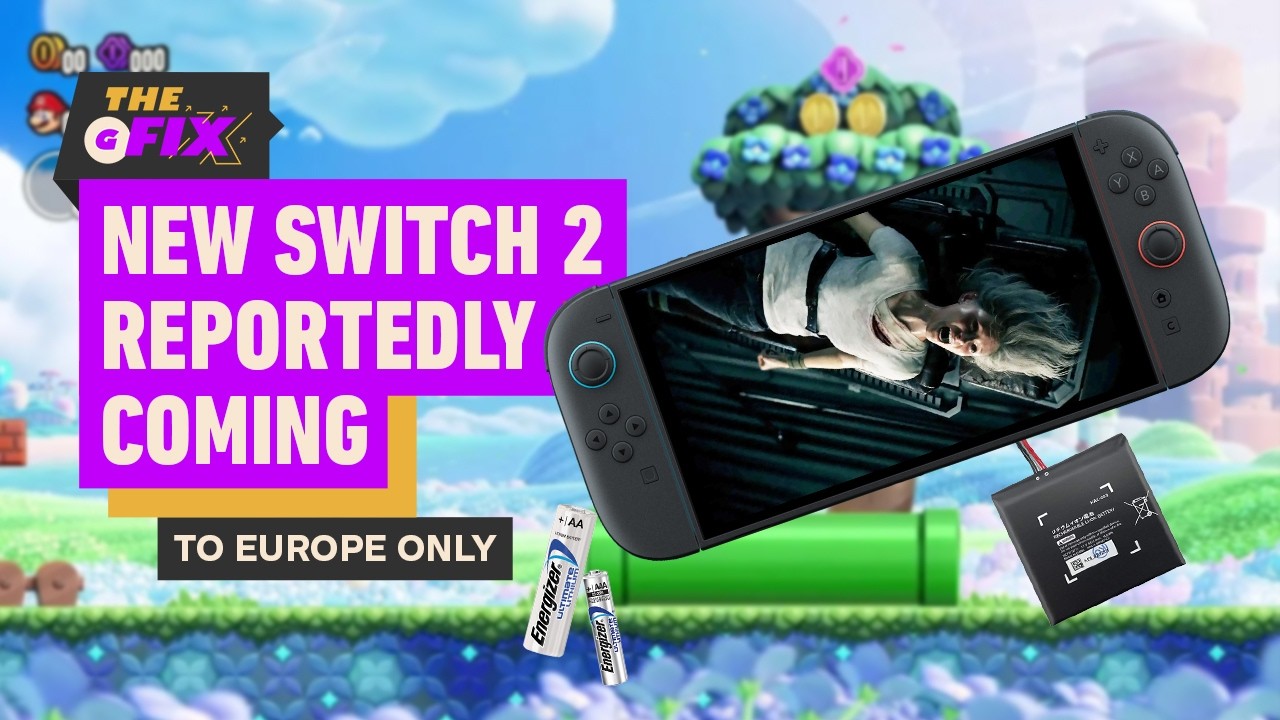
Sector Intelligence Report: Nintendo Switch 2 – Week of March 24, 2026
Nintendo’s next-gen handheld-console hybrid is shifting out of hype mode and into hard logistics. Over the last seven days, the nintendo switch 2 narrative has pivoted from volume ambition to controlled rollout, with production throttles, regional chassis tweaks, and demand recalibration—especially in the US—reshaping how studios should scope their #gamedev roadmaps.
Signal 01: Production Throttled – From Surge Launch to Managed Supply
Nintendo is reportedly cutting planned nintendo switch 2 production for the current quarter from around 6 million units to roughly 4 million. This isn’t a cancellation signal; it’s a tempo change.
Why This Matters for Developers
-
Demand wobble in the US: Softer-than-expected holiday demand readings in the US—the historically dominant Nintendo hardware market—are likely the core trigger. For #gamedev teams, this means:
- Early install base may be smaller but more engaged, skewing toward core fans and early adopters.
- Launch-window sales forecasts for both AAA and #indiegame projects should be revised downward in unit volume, but potentially upward in ARPU if pricing holds.
-
Overstock avoidance = price integrity: By dialing back production, Nintendo is clearly trying to avoid a situation where retailers are forced into rapid discounting. For developers, that’s good news:
- A stable MSRP helps preserve premium pricing for early software.
- Less race-to-the-bottom discounting during the first 12–18 months of the nintendo switch 2 lifecycle.
Tactical Takeaways
- Adjust pitch decks and P&Ls to assume a more gradual adoption curve.
- Prioritize performance-scalable design: strong on Switch 2, but still viable on late-cycle Switch 1 to hedge against slower next-gen uptake.
- Expect tighter allocation of dev kits and hardware access; studios without existing Nintendo relationships may need to rely more on middleware partners and engine-level profiles.
Signal 02: European Chassis Variant Locks in Hardware Spec
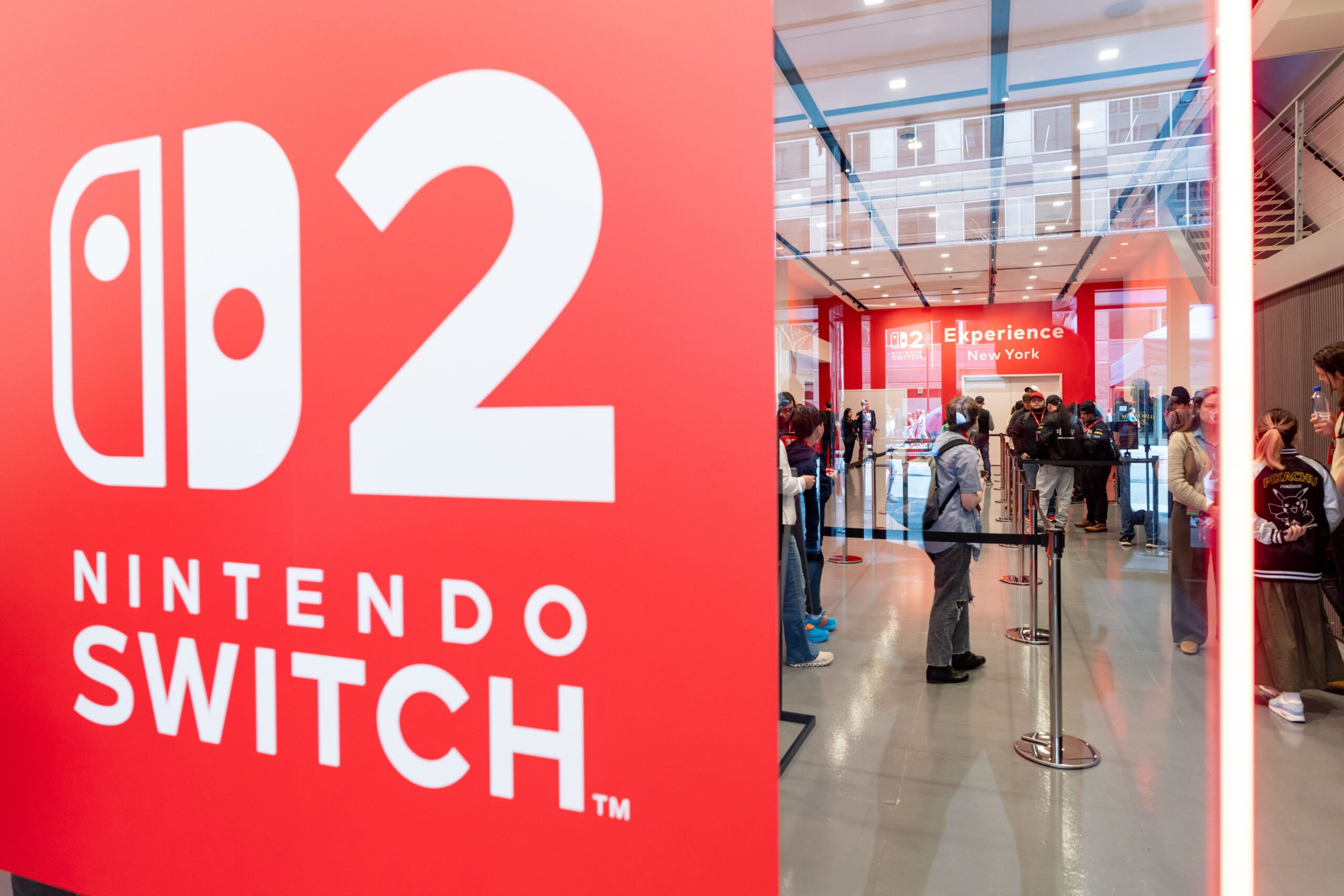
Field intel points to a redesigned nintendo switch 2 chassis entering production specifically for the European market. This is less about cosmetic change and more about Nintendo hard-locking the hardware stack ahead of global scale-up.
What the Chassis Shift Suggests
-
Region-specific compliance and thermals: EU standards around power, materials, and emissions often push subtle hardware differences. For developers, it implies:
- Final silicon and thermal targets are likely frozen, so performance profiles you’re testing against now are close to shipping reality.
- Any remaining variability will be firmware-level, not fundamental hardware capability.
-
Dock and Joy-Con interface revisions:
- Expect updated dock throughput (potentially higher bandwidth for display output and peripheral data), which could matter for docked-only features like higher resolutions or refresh rates.
- Revised Joy-Con interfaces may impact latency-sensitive genres—fighters, rhythm games, and competitive shooters—where input consistency is critical.
How #gamedev Teams Should React
- Lock in your performance targets: begin treating current dev-kit behavior as near-final for optimization passes.
- Build robust input abstraction layers to handle any subtle Joy-Con or controller spec changes.
- For #indiegame teams targeting global launch, ensure certification planning accounts for EU-specific requirements that may differ from US and JP.
Signal 03: Rollout Strategy – Lean, Focused, and Premium
The combined signals—US demand softness, production throttling, and European chassis finalization—point to a nintendo switch 2 rollout that is lean by design.
Watch: Transmitting Gameplay footage from the field: Official Nintendo Switch 2 experience trailer
Expect a Tighter Launch Funnel
-
Lean launch windows: Instead of a massive, global hardware wave, studios should anticipate:
- Staggered regional intensity, with Europe potentially benefiting from an earlier or more stable hardware flow once the chassis line ramps.
- Limited-edition bundles and constrained SKUs that increase perceived scarcity.
-
Premium on early access:
- Early hardware access—both for media and developers—will be strategic, not broad.
- Co-marketing slots with Nintendo will be more competitive; only a narrow slice of titles will sit in the first-wave spotlight.
Portfolio and Release Strategy Guidance
- Consider cross-gen launches that debut on Switch 1 and Switch 2 simultaneously, using the latter for enhanced modes (higher resolution, better frame pacing, improved loading) rather than content gating.
- For #indiegame creators, the sweet spot may be 6–18 months post-launch, when:
- The install base is large enough to support breakout hits.
- The first-party slate has created hardware momentum but left discoverability pockets in key genres.
Development Update: What to Monitor Next
For studios and publishers aligning their roadmaps to nintendo switch 2, the next 60–90 days are critical.
Key Watchpoints
- Revised timelines and marketing pivots from Nintendo: any change in official language around launch windows, production targets, or regional priorities will directly impact release calendars.
- SKU naming and dock revisions: final branding and dock capabilities will shape how you message performance modes and feature parity with PC/other consoles.
- Joy-Con and accessory ecosystem: confirmation of backward compatibility or new form factors will influence control schemes, UI layouts, and accessibility options.
Strategic Positioning for Teams
- Build your tech stack assuming long-tail cross-gen support, not an overnight hard shift.
- Use this controlled-burn launch to:
- Polish performance and UX—Switch audiences reward stability and playability over sheer visual spectacle.
- Experiment with asymmetric features (local co-op, hybrid play, offline-first design) that capitalize on the hardware’s handheld–docked identity.
Nintendo isn’t retreating with nintendo switch 2—it’s tightening the formation. For developers, the opportunity isn’t diminished; it’s just moving on a more disciplined, data-driven trajectory. Those who align their #gamedev pipelines with this controlled rollout, rather than a hype-driven spike, will be best positioned to capture the platform’s long-term upside.
Sources and corrections
This archive entry does not have a verified article-source list. Images and video embeds alone are not evidence for every claim.
Found an error? Request a correction. Include the passage and a supporting source.