Automated archive
Xbox Reboots Its Warplan as AI Quietly Eats AAA: Sector Intelligence Report
Xbox is tearing down old walls while AI quietly cements itself in AAA pipelines and hardware revenues surge. This week’s Sector Intelligence Report breaks down what these structural shifts mean for studios, from exclusivity deals to workforce shocks.
AI-generated summary. This archive article does not have a current recorded source check. Check linked sources before relying on details. Editorial policy

Watch: Transmitting Gameplay footage from the field: Xbox mission statement broadcast
Sector Snapshot: Platforms Rewire While Capital Shifts
This week’s signal stream is all about structural rewrites. Xbox is collapsing its branding back under a single banner, re‑opening the question of what “exclusive” even means. At the same time, big tech and big media are redistributing bodies and budgets toward AI and megafusions, while regional ecosystems like Germany’s #gamedev sector quietly contract. For studios and #indiegame teams, the throughline is clear: plan for volatility, build for flexibility.
Xbox: From “Microsoft Gaming” Back to a Sharpened Xbox Flag

Xbox leadership has flipped the switch: the “Microsoft Gaming” umbrella is being retired in favor of a unified Xbox identity. This isn’t just a logo refresh—it’s a mission rewrite that affects how devs should think about platform strategy, funding conversations, and long‑tail support.
Two key vectors matter for development planning:
1. Exclusivity Is Now a Negotiable Variable
Asha Sharma and Matt Booty are openly re‑evaluating exclusivity protocols, with future Xbox titles potentially breaching the PS5 border. For #gamedev teams, that means:
- First‑party behavior sets expectations: If Xbox is willing to send some of its own heavy hitters cross‑platform, it becomes harder to justify rigid exclusivity demands on external partners.
- Negotiation leverage shifts: Multi‑platform launches may become the default ask, with timed exclusivity or content deals reframed as marketing tools instead of permanent walls.
- Tech stack decisions get easier: With fewer hard exclusivity assumptions, investing early in cross‑platform tooling (Unreal, Unity, or custom engines with robust platform abstraction) becomes even more critical.
This isn’t a guaranteed “everything goes everywhere” future, but it is a clear signal that platform lock‑in is no longer sacred. Build roadmaps assuming portability is a core design constraint, not an afterthought.
2. Retention Systems Still Under Construction
Sharma’s candid acknowledgment that Xbox’s engagement and ecosystem cohesion trail rivals is important. The upside: she’s actively tuning services, community tooling, and retention pipelines.
For developers, that translates into:
- More experiments in discovery: Expect evolving dashboard placements, event hooks, and Game Pass‑adjacent features aimed at keeping players inside the green garden.
- Live‑ops hooks: As Xbox chases stickiness, live‑service titles and content‑rich premium games alike may see better integration for events, rewards, and cross‑game engagement.
- Opportunities for #indiegame teams: A platform hungry for retention wins often leans on curated indies to fill content gaps—especially titles with strong session loops, social hooks, or creator‑friendly features.
If you’re shipping on Xbox in the next 18–24 months, treat the ecosystem as in flux—and design your backend and community strategy to adapt to changing platform tools.
Workforce Shockwaves: Microsoft & Meta Reallocate Human Capital
Microsoft is reportedly offering a voluntary retirement program to up to 7% of its US workforce. Meta, meanwhile, has already cut around 10% of its global staff—roughly 8,000 people—to fuel its AI war chest.
For development teams, the implications are tactical:
- Tooling and infrastructure will lean harder into AI: From build pipelines to analytics dashboards, expect more AI‑augmented services offered to studios—especially via cloud platforms.
- Support bandwidth may shrink: Fewer humans on legacy ops means longer response times, more self‑service documentation, and a greater need for internal technical resilience.
- Outsourcing and co‑dev demand may spike: As big platforms rebalance, third‑party specialists in engineering, VFX, and live‑ops could see more inbound work—if they can prove reliability.
Studios should track these moves not as HR gossip but as leading indicators of how their own toolchains and support ecosystems will evolve.
AI: Already in Your Pipeline (Whether Players Know It or Not)
Google Cloud’s games division quietly spelled out what many insiders already suspected: almost every major AAA studio is using AI, often without explicit disclosure. Capcom is cited as a notable operator, with machine learning already baked into workflows.
For #gamedev teams, the question isn’t if you’ll use AI—it’s where and how transparently:
- Asset generation & iteration: Concept passes, animation clean‑up, and environment dressing are obvious candidates, especially for smaller teams punching above their weight.
- Live‑ops tuning: Matchmaking, difficulty scaling, and economy balancing are increasingly data‑driven and ML‑assisted.
- Ethics & communication: As public scrutiny ramps up, studios will need clear internal policies and external messaging about where AI is used—particularly around voice, likeness, and labor impacts.
The key for both AAA and #indiegame teams is to treat AI as infrastructure, not magic: something that must be documented, audited, and integrated into production culture rather than bolted on in panic.
Market & Media: Hardware Surge, IP Megafusions, and Regional Stress
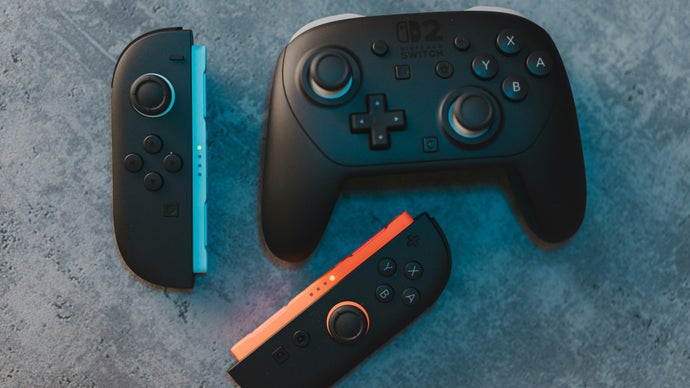
Hardware Revenues Spike 69% in the US
US games spending in March 2026 hit $5.3B, up 12% year‑on‑year, with Q1 up 5% to $14.6B. Hardware is the star: 69% growth, driven heavily by a new Switch‑class cycle.
For developers, that means:
- Install bases are expanding right now: The window for early‑cycle wins on new hardware is open. Optimizing for performance, haptics, and platform‑specific features is more valuable than ever.
- Cross‑gen fatigue is real: As new consoles entrench, teams should plan to sunset last‑gen support strategically to reclaim tech and QA bandwidth.
Warner Bros. + Paramount: IP Gravity Well Intensifies
Warner Bros. Discovery shareholders have overwhelmingly backed Paramount’s $111B acquisition, creating a colossal media node with stacked IP arsenals and streaming muscle.
Expect:
- Tighter licensing corridors: Accessing major film and TV IP could become more centralized, with fewer negotiation points but potentially larger, risk‑averse deals.
- More transmedia mandates: Games tied to these megafusions may face stronger demands to fit into cross‑platform storytelling and marketing beats.
For independent studios, this is both a wall and an opening: harder to get a piece of the biggest brands, but easier to stand out with original IP that isn’t bound by cinematic canon.
Germany’s #gamedev Workforce Contracts Again
German game industry employment has dropped another 3%, marking a second year of decline. This isn’t freefall, but it is a persistent cooling.
Signals for studios:
- Shift from expansion to efficiency: Headcount growth is being swapped for pipeline optimization and smarter tooling.
- Funding narratives must mature: Pitches centered solely on headcount growth will land weaker; investors are looking for sustainable burn and clear paths to profitability.
Regional ecosystems should prioritize tax incentives, incubators, and cross‑border partnerships to keep talent engaged without relying on perpetual hiring booms.
Culture, Audio, and Media: The Softer Power Plays
- Ivors Composer Awards: The Ivors Academy is launching a Composer Awards program that locks video game music in as a core category. This is a quiet but important elevation of game audio into the same cultural lane as film and TV scores.
- For studios: budget and credit your composers like primary creatives, not peripheral vendors. Awards visibility feeds discoverability and long‑tail soundtrack revenue.
- Kotaku’s Expansion Under New Ownership: Rebekah Valentine joins as Senior Reporter in the first major hire under Keleops Media. Expect more investigative and industry‑savvy coverage—meaning your development update might be read with sharper context and skepticism.
- Shuhei Yoshida’s “Firing” from PlayStation Studios: Yoshida’s admission that he was effectively removed from the PlayStation Studios presidency for not aligning with Jim Ryan underscores how creative vs. corporate tensions are still very much alive at platform holders. For devs, it’s a reminder: even champions of indie and experimental work operate within shifting power structures.
Legal and Player Trust: Nintendo’s Tariff Lawsuit
A new class‑action suit in the US alleges that Nintendo raised prices while still pursuing tariff compensation from the government—a potential double‑dip.
Implications for studios and publishers:
- Pricing transparency is now a design constraint: Players are more willing to litigate perceived unfairness, not just complain about it.
- Regulatory risk is rising: As digital storefronts become more scrutinized, expect closer examination of regional pricing, refund policies, and hidden fees.
Building trust isn’t just about fair monetization models—it’s about clear, defensible reasoning behind every price move.
Actionable Takeaways for Devs This Week
- Design for a post‑exclusivity world: Assume your game may need to live across Xbox, PlayStation, Nintendo, and PC—even if you sign a timed deal.
- Audit your AI usage: Document where AI is in your pipeline today, and decide what you’re comfortable disclosing before someone else does it for you.
- Lean into the hardware upswing: If you’re mid‑production, prioritize features that showcase new consoles; if you’re early, architect for scalability.
- Treat awards and press as strategic pillars: From the Ivors to Kotaku’s renewed coverage, narrative control around your work is increasingly a core competency, not a luxury.
In a week defined by restructures and rewrites, the constant is simple: studios that build flexible tech, transparent practices, and platform‑agnostic strategies will be best positioned to ride the next wave rather than be crushed by it.
Sources and corrections
This archive entry does not have a verified article-source list. Images and video embeds alone are not evidence for every claim.
Found an error? Request a correction. Include the passage and a supporting source.