
Back to guides and news
Gaming
April 23, 2026
Sector Intelligence Report: Hardware Heats Up, Platforms Face the Courts, and Talent Eyes the Exit
Sector Overview: A Market in Expansion, a Workforce on Edge
The last seven days paint a sharp split-screen for #gamedev: on one side, surging hardware revenue and bullish publisher forecasts; on the other, legal pressure on platform-holders and a workforce increasingly ready to walk. For studios and #indiegame teams, this week’s signals converge on a single theme: opportunity is expanding, but the human and regulatory foundations of the industry are under active stress testing.
US consumer spend is climbing, hardware demand is spiking, and mid-tier publishers like Koei Tecmo are revising guidance upwards. Yet lawsuits against Nintendo and Google, a major settlement in the PC rental space, and a stark retention warning from Skillsearch underline how fragile trust has become—between players and platforms, devs and employers, and creators and distribution gatekeepers.
Hardware Uplink: Switch Success Signals a Fresh Cycle
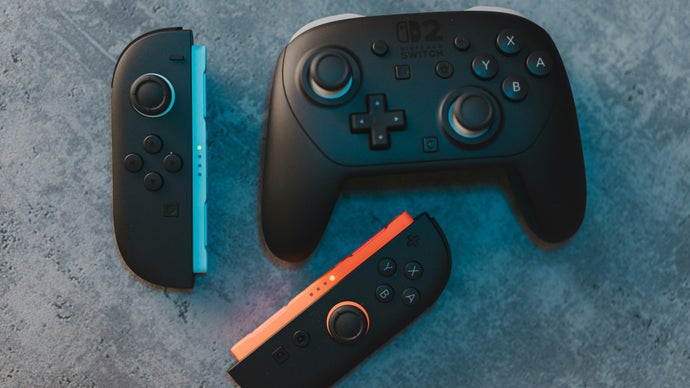
Hardware cycle re-arms around Switch-class performance
NPD’s latest readout shows the US games market hitting $5.3B in March 2026, up 12% year-on-year, with Q1 spend at $14.6B (+5%). The standout metric: hardware revenue surged 69%, driven heavily by renewed console appetite and Switch 2–class performance.
For developers, this is the clearest confirmation yet that the console cycle is re-arming:
- Install base expansion: A broader, rapidly growing hardware footprint means more addressable players for both AAA and #indiegame projects.
- Platform leverage: First-party and major third-party publishers will have renewed bargaining power on storefront promotions and content exclusivity as hardware momentum returns.
- Optimization priorities: Teams should reassess performance targets—“Switch-tier” is no longer shorthand for compromise, but for a viable primary SKU in a multi-platform strategy.
Studios planning roadmaps through 2027 should be treating this as a green light to invest in cross-gen pipelines that assume a larger, more diverse console install base.
Profit and Portfolio: Koei Tecmo’s Upward Recalibration

Koei Tecmo’s portfolio enters a higher-gain trajectory
Koei Tecmo has revised its FY2026 profit forecast upward by 50% versus original expectations, citing strong game sales and successful investments. This isn’t just a single-publisher win; it’s a proof point that well-timed content and diversified revenue streams can still outperform in a volatile market.
Key takeaways for studios:
- IP discipline pays: Koei Tecmo’s ability to continually monetize established franchises while experimenting at the edges is a model for mid-size publishers and ambitious indies.
- Investment as a design constraint: With profits outpacing expectations, Koei Tecmo now has more capital to allocate to riskier projects, transmedia plays, and co-development deals—potentially opening doors for external #gamedev partners.
- Signal for investors: In an environment dominated by layoffs and consolidation headlines, this kind of guidance revision can re-attract capital to game development, particularly in markets where publishers demonstrate consistent execution.
For #indiegame teams, this is a reminder that strong fundamentals—coherent portfolios, targeted investments, and realistic scope—still move markets, even as sentiment remains shaky elsewhere.
Litigation Front: Nintendo Tariffs, Google Antitrust, NZXT Fallout
The legal perimeter around game platforms and hardware providers tightened noticeably this week:
- Nintendo tariff class action: Two US players have filed a class-action lawsuit alleging Nintendo effectively “double-dipped” by raising prices on consumers while also pursuing tariff relief from the government. If the case gains traction, it could force greater transparency around how platform-holders pass through (or pocket) cost changes.
- Aptoide vs. Google: Alternative app store Aptoide launched an antitrust action accusing Google of maintaining an “anticompetitive chokehold” on Android app distribution. Any substantive regulatory response could open new distribution lanes for mobile devs, reduce acquisition costs, and weaken Google Play’s stranglehold on visibility.
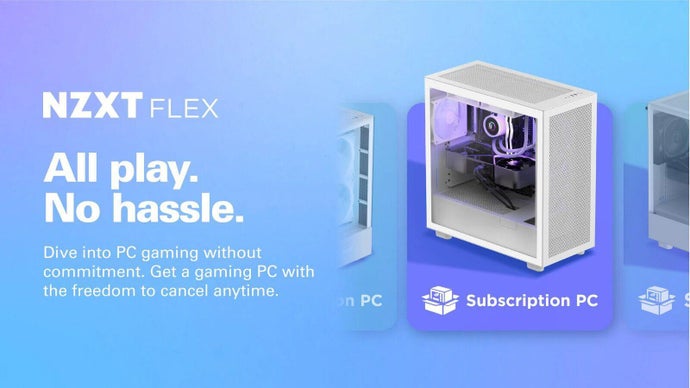
- NZXT rental settlement: NZXT’s PC rental arm has settled a class action for $3.45M after accusations of “scamming” customers. The core warning for studios: scrutinize third-party hardware, financing, and cloud partners—players now associate shady monetization not just with games, but with the infrastructure around them.
For development teams, these cases aren’t background noise. They directly impact:
- Pricing strategy and player trust around digital storefronts.
- Long-term viability of alternative app stores and sideloading ecosystems.
- Reputational risk when bundling hardware, subscriptions, or financing with your game.
Workforce Strain: Nearly Half the Industry Has Considered Leaving
Skillsearch’s latest survey is a red-alert reading on sector health: 44% of games industry professionals have considered leaving the industry due to redundancies, and in the UK, 76% are planning to exit to non-gaming roles by 2026.
This is more than an HR problem—it’s a production risk:
- Knowledge drain: Senior engineers, producers, and designers are often the first to find escape routes into adjacent tech sectors, taking institutional knowledge with them.
- Pipeline instability: Mid-project layoffs and morale collapse increase schedule risk, bug counts, and creative conservatism.
- Indie absorption: Some of this talent will flow into #indiegame teams and boutique studios, potentially raising quality and experimentation at the small-scale level—if those teams can offer sustainable conditions.
Studios need to treat retention as a core production discipline: transparent roadmaps, humane layoff protocols, and realistic scope planning are now competitive advantages in attracting and keeping talent.
Leadership and Media: Power Shifts and Signal Boosts
Two quieter, but strategically important, stories round out the week:
- Shuhei Yoshida’s ‘firing’ from PlayStation Studios presidency: Yoshida’s admission that he was effectively removed from the role for not aligning with Jim Ryan’s direction, then repositioned into an indie-focused role, highlights internal realignment at Sony. For #indiegame developers, it’s a reminder that support structures can survive leadership changes—but priorities can shift quickly.
- Kotaku’s expansion under new ownership: The hire of Rebekah Valentine as Senior Reporter, the first major appointment under Keleops Media, signals that core games media is rebuilding capacity after years of contraction. More reporters means more oxygen for nuanced coverage of development update cycles, labor issues, and platform politics.
Media and leadership narratives don’t just live on social feeds—they shape how investors, regulators, and players understand the state of #gamedev. As Marvel’s Kevin Feige casually reframes canon as flexible (“we can do whatever the heck we want”), expect similar elasticity in how major IP holders approach continuity, nostalgia, and reboots in games.
Strategic Outlook: How Studios Should Respond This Cycle
Across hardware, legal, financial, and labor fronts, three operational imperatives emerge for studios of all sizes:
-
Exploit the hardware upswing
Prioritize SKUs and features that lean into the expanding console base. For live games, consider platform-specific events and optimizations timed to new hardware rollouts. -
Bake trust into your business model
From pricing to subscriptions to hardware partnerships, assume heightened scrutiny. Clear communication and fair structures around monetization will differentiate you from platform-holders currently under legal fire. -
Treat talent as critical infrastructure
Proactively address burnout, career progression, and job security. A credible, humane stance on layoffs and workload is becoming a deciding factor for top-tier devs choosing between AAA, mid-tier, and #indiegame paths.
In a week where profits and hardware metrics look bullish but the human and legal foundations feel brittle, the studios that will thrive are those that can scale up without burning out their teams—or their players’ trust.
Keep following N/A
News, guides, posts, and game details in one place.
Open the game hub, then save it to build your personal Breach feed.
More images and video









About the game
N/A
Unknown Studio
Mission Intelligence: This briefing covers a cross-cultural media phenomenon rather than an interactive software product. Draco Malfoy’s image has been recontextualized by Chinese internet communities and Lunar New Year content cycles. The character functions as a festive avatar, driven by meme velocity and visual recognizability. No formal game system, mechanics, or production pipeline is attached to this asset repurposing event.
Open game pageTopics
games industry report
hardware sales 2026
Nintendo tariff lawsuit
Aptoide antitrust Google
Koei Tecmo FY2026 profit
games industry layoffs
Skillsearch games survey
Shuhei Yoshida PlayStation
Kotaku expansion
#gamedev
#indiegame
development update