Automated archive
Aptoide’s Antitrust Salvo, UK Platform Pivot, and the Human Cost of the Great Games Layoff
Legal shockwaves, platform pivots, and a brewing talent exodus are reshaping the games industry’s risk map. From Aptoide’s antitrust strike on Google to UK studios doubling down on PC and console, this week’s intel is all about survival strategy in a tightening market.
AI-generated summary. This archive article does not have a current recorded source check. Check linked sources before relying on details. Editorial policy

Sector Intelligence Report – Week of April 19, 2026
The last seven days have been less about shiny launches and more about structural shockwaves: legal warfare over app distribution, a talent base on the brink of exodus, and platform strategy hardening around PC and console. For studios, publishers, and tools vendors, this is a week to reassess risk, retention, and where you actually ship.
1. Aptoide Opens a New Front in the Mobile Distribution War
Alternative app store Aptoide has filed an antitrust lawsuit accusing Google of maintaining an “anticompetitive chokehold” on Android app distribution. If this case gains traction, it could become one of the most consequential legal battles for mobile #gamedev since the Epic v. Apple skirmish.
Why this matters for developers:
- Discoverability and margins: Any forced loosening of Google’s control—whether via side‑loading, billing freedom, or easier third‑party store access—could improve revenue share and user acquisition options for both AAA and #indiegame teams.
- Risk diversification: Studios heavily reliant on Google Play should treat this as a reminder to diversify distribution channels now, not later. Building operational muscle across multiple stores (including regional ones) is a strategic hedge.
- Design implications: If alternative stores gain real traction, expect renewed interest in premium and experimental formats that aren’t as beholden to Play Store algorithmic favor.
For now, this is a legal opening salvo, not a guaranteed breach. But anyone planning a mobile or cross‑platform development update over the next 18–24 months should keep a close eye on how regulators respond.
2. Sector Integrity Breach: Nearly Half the Workforce Has Considered Leaving
Skillsearch’s latest report is a red‑alert moment: 44% of games industry professionals have considered leaving the sector due to redundancies, and in the UK, 76% are eyeing exits to non‑gaming fields by 2026.
This is more than a PR problem—it’s a structural threat to production capacity.
Operational implications:
- Burnout and trust deficit: After years of layoffs, many mid‑career specialists—producers, tools engineers, senior designers—no longer see games as a stable long‑term bet. Losing them erodes institutional knowledge and slows every subsequent project.
- Retention as a competitive advantage: Studios that maintain transparent roadmaps, humane layoff protocols, and clear promotion paths will increasingly differentiate themselves. In a market where everyone is hiring from the same shrinking pool, culture becomes a hard asset.
- Impact on #indiegame ecosystems: As veterans exit major studios, some will spin up small teams—but many will leave the industry entirely. Expect a wave of short‑lived indie experiments alongside a quieter, more worrying talent drain.
For leaders, this week’s data should trigger immediate audits of compensation, communication, and career‑path clarity—especially in jurisdictions like the UK where exit intent is highest.
3. NZXT Settlement Exposes Hardware and Finance Vulnerabilities
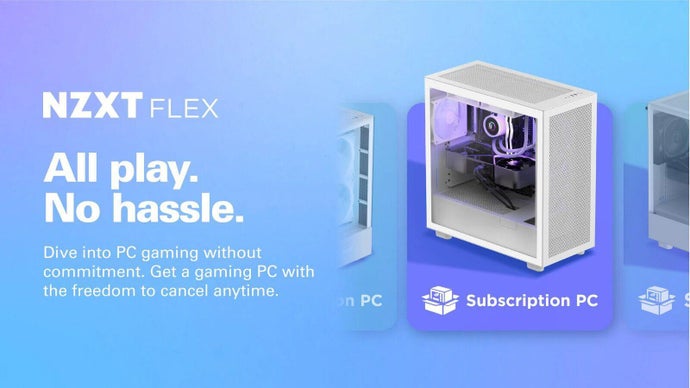
NZXT’s pre‑built PC rental arm has agreed to a $3.45M class‑action settlement following accusations it “scammed” customers via its subscription model. While this looks like a consumer‑side story, it has quiet but real implications for studios.
Why game companies should care:
- Testing and QA pipelines: Many smaller teams rely on third‑party or rental hardware for QA labs, capture rigs, and event builds. If those vendors are unstable or exploitative, your production schedule is now tied to someone else’s legal risk.
- Recurring cost opacity: Subscriptions and hardware‑as‑a‑service can seem budget‑friendly, but hidden fees and aggressive auto‑renewals make forecasting difficult—especially for #indiegame studios with razor‑thin margins.
- Brand adjacency: When your game is bundled, streamed, or showcased via a partner later accused of unethical practices, you inherit some reputational blast radius.
Studios should treat this as a prompt to re‑evaluate hardware and finance chains: who owns your critical rigs, what the exit terms look like, and how quickly you can pivot if a vendor implodes.
4. CodeDev Rewires Its Org Chart: COO Installed Amid Industry Churn

CodeDev has appointed Andy Norman as Chief Operating Officer, a move that aligns with a broader industry trend: tightening operational discipline while headcount and budgets fluctuate.
Strategic takeaways:
- Ops as force multiplier: In an era of smaller teams and more cautious greenlighting, strong operational leadership can be the difference between shipping on time and bleeding out over years.
- Tooling and process focus: Expect companies like CodeDev to double down on production tooling, pipeline automation, and cross‑studio services that let teams do more with fewer people.
- Signal to clients and investors: Installing a COO in this climate is a message: stability, predictability, and delivery discipline are being prioritized over unchecked expansion.
For external partners, this kind of leadership reshuffle is a green flag—assuming it translates into clearer roadmaps and more consistent support for dev teams.
5. UK Studios Double Down on PC and Console
TIGA’s latest data confirms what many producers already feel in their P&Ls: PC and console remain the primary engines of UK games development, while mobile is being throttled back.
Why the platform pivot is rational:
- Monetization confidence: Premium and hybrid models on PC/console are perceived as more stable than ad‑driven or UA‑dependent mobile strategies, especially as privacy changes and store policies keep shifting.
- Creative ambition: Many UK studios still see high‑fidelity, narrative‑rich experiences as their core identity. That favors PC and console, where technical constraints and monetization expectations are less restrictive.
- Portfolio risk management: In a world where mobile distribution is under legal and regulatory scrutiny (see Aptoide vs Google), consolidating around platforms with clearer rulesets is a defensive play.
For teams planning their next development update or funding pitch, aligning with PC/console doesn’t guarantee success—but it does sync with where UK talent, tools, and investor expectations are currently concentrated.
6. Culture Scan: Personality, Not Just Patch Notes
The week’s lighter blip—a Game Scoop segment digging through Peer Schneider’s old Facebook photos—might seem trivial against layoffs and lawsuits, but it underlines a subtle shift.
Fans and devs aren’t just tracking frame‑time graphs; they’re increasingly interested in the people behind the builds: their histories, missteps, and off‑duty lives. For studios, this is a reminder that authentic human presence—in dev diaries, streams, and social feeds—can be as powerful as any trailer.
Handled well, that visibility can help with hiring, retention, and community resilience when projects slip or markets wobble.
7. Actionable Signals for the Week Ahead
- Re‑assess platform risk: If your roadmap leans heavily on Android, scenario‑plan for both a status‑quo Google and a more fragmented store ecosystem.
- Invest in people, not just projects: With nearly half the workforce considering an exit, proactive retention strategies are no longer optional.
- Audit your hardware and finance stack: Know who owns your critical infrastructure, and what happens if that partner hits legal turbulence.
- Treat ops as a feature: Whether you’re a 6‑person #indiegame outfit or a multi‑studio group, operational clarity is now a frontline differentiator in #gamedev.
This week’s intel paints a sector under pressure but not without leverage. Teams that internalize these shifts—and adjust before they’re forced to—will be the ones still shipping when the dust settles.
Sources and corrections
This archive entry does not have a verified article-source list. Images and video embeds alone are not evidence for every claim.
Found an error? Request a correction. Include the passage and a supporting source.