Automated archive
Talent Exodus, Hardware Liability, and the UK’s Platform Pivot
Talent instability, hardware liability, and a decisive UK pivot toward PC and console have redrawn this week’s risk map for game developers. Studios that fail to shore up trust, infrastructure, and platform focus will find themselves dangerously exposed in the next wave of industry turbulence.
AI-generated summary. This archive article does not have a current recorded source check. Check linked sources before relying on details. Editorial policy

Watch: Transmitting Gameplay footage from the field: Industry culture under the microscope
Sector Intelligence Report – Week of April 17, 2026
The last seven days have delivered a stark snapshot of where the games industry stands: trust is eroding, talent is eyeing the exits, and regional production strategies are hardening around fewer platforms. For studios, publishers, and #gamedev leaders, this isn’t a week to skim the headlines—it’s one to recalibrate risk.
1. Sector Integrity Breach: The Talent Exodus Is Now a Systemic Risk
Skillsearch’s latest scan is more than a morale check; it’s an early-warning siren for the global development pipeline. According to their data, 44% of games industry professionals have considered leaving the industry in the wake of rolling redundancies. In the UK, the signal is even more alarming: 76% are considering shifting to non-gaming sectors by 2026.
This isn’t just about layoffs—it’s about trust erosion. When developers no longer believe that the sector offers stable, humane careers, retention stops being an HR problem and becomes a strategic threat. For #indiegame teams, this can be a rare advantage: smaller, more transparent studios can position themselves as safer, more human workplaces compared to volatile AAA structures.
Actionable implications for studios:
1.1 Retention Protocols Need to Be Explicit, Not Implied
- Documented career paths: Senior IC tracks, technical leadership roles, and non-managerial progression must be visible, not assumed.
- Transparent runway communication: Regular briefings on project health and funding extend a layer of psychological safety many devs currently lack.
1.2 Humane Layoff Strategies Are Now Reputation Infrastructure
Studios can’t assume layoffs are a private HR event. Every redundancy wave is a public signal, amplified across social feeds, Discord servers, and private Slack communities. Humane strategies include:
- Generous severance and extended health coverage where possible.
- Portfolio and reference support baked into the offboarding process.
- Clear, honest post-mortems on what went wrong, avoiding spin.
In a market where almost half the workforce is reconsidering its future, how you treat people when things go wrong becomes a primary recruitment tool.
2. Hardware & Finance Chain Vulnerabilities: NZXT’s $3.45M Settlement
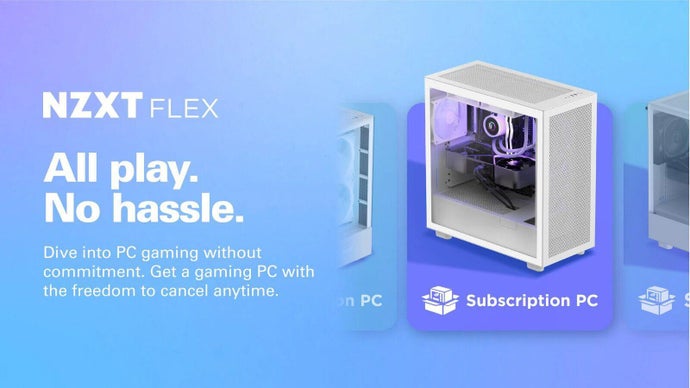
NZXT’s pre-built PC rental operation has just closed a $3.45M class-action settlement following accusations of “scamming” customers. While the legal details are still being dissected, the strategic takeaway for developers is clear: third-party hardware and finance chains are now a non-trivial risk surface.
For both studios and players, the modern PC ecosystem isn’t just about GPUs and thermals—it’s about subscriptions, financing, and opaque recurring charges. When those systems fail or are perceived as exploitative, trust in the broader ecosystem drops, and that distrust can bleed into how players view live-service monetization and even platform partnerships.
2.1 Why This Matters to Development Teams
- Remote production risk: Many studios rely on leased or financed hardware for distributed teams. If contracts are murky, developers can lose access to critical dev kits or workstations mid-production.
- Esports and creator pipelines: Streamers, influencers, and competitive players often sit on financed rigs. If they’re burned, they may be less willing to champion hardware-dependent titles or new PC-facing #gamedev projects.
2.2 Audit Your Supply & Finance Stack
Studios should:
- Conduct vendor due diligence on any hardware rental or financing partner.
- Ensure clear cancellation and ownership terms for staff hardware.
- Build a contingency plan so that if a vendor collapses or is embroiled in litigation, core development can continue with minimal downtime.
In an era where infrastructure is increasingly “as-a-service,” the NZXT case is a reminder that your production pipeline is only as stable as the least transparent contract you’ve signed.
3. Command Chain Reconfiguration: CodeDev Names Andy Norman COO

While macro signals skew negative, there are also examples of studios quietly fortifying their organizational cores. CodeDev’s appointment of Andy Norman as COO is a textbook move in tightening the operational chain of command.
As production cycles lengthen and budgets bloat, the role of a COO in a modern studio isn’t just about scheduling and burn rates. It’s about:
- Cross-discipline alignment: Engineering, design, art, and QA operating on synchronized cadences.
- Tooling and pipeline strategy: Deciding when to invest in proprietary tech versus off-the-shelf engines and services.
- Risk management: Forecasting where layoffs, project cancellations, or publisher pivots might hit hardest.
For #indiegame outfits, the lesson isn’t “hire a COO,” but rather to assign operational ownership—someone explicitly responsible for process, people, and production health, even if they’re also writing shaders or AI behaviors.
4. UK Production Pivot: PC and Console Reclaim the High Ground
TIGA’s latest data confirms what many on the ground in the UK have felt for a while: PC and console remain the primary drivers of UK games development, while mobile is being deprioritized.
This is a decisive strategic bet on premium experiences over free-to-play churn. In practice, that means:
- More mid-to-high budget narrative and systems-heavy projects targeting Steam, PlayStation, Xbox, and increasingly, PC-first ecosystems.
- Less focus on chasing UA-driven mobile economies, which have become more fragile post-privacy changes and rising acquisition costs.
4.1 What This Means for UK Studios
- Talent alignment: UK devs are doubling down on disciplines like systems design, engine engineering, and console certification expertise.
- Funding patterns: Investors and publishers may increasingly favor PC/console pitches from UK teams, reinforcing the trend.
- Export strategy: With PC and console as the main battlegrounds, UK studios must think globally from day one—local success is no longer enough to sustain larger teams.
For global #gamedev observers, the UK becomes a bellwether: if this pivot yields sustainable studios and fewer catastrophic layoffs, other regions may follow.
5. Culture Scan: Personality, Not Just Patch Notes
The lighter blip in this week’s feed—Game Scoop’s segment digging through Peer Schneider’s Facebook photos—looks like a throwaway, but it underscores a key dynamic: audiences are increasingly interested in the people behind the games, not just the products.
For studios, especially smaller ones, this is a reminder that authentic studio culture is a differentiator:
- Devlogs, behind-the-scenes shorts, and candid social media posts can humanize a project and build resilience when release dates slip or features change.
- In a climate of layoffs and mistrust, visible, relatable developers can keep communities engaged even when the news cycle turns grim.
This dovetails with the earlier talent crisis: when the humans behind the work are visible and respected, both players and staff are more likely to stick around.
6. Strategic Takeaways for the Week
Across this week’s signals, three themes converge:
- Stability is the new innovation multiplier: Talented people won’t stay in a sector that feels structurally unsafe. Retention, humane layoffs, and transparent leadership are now core #gamedev competencies.
- Infrastructure risk is no longer invisible: From PC rental lawsuits to remote hardware dependencies, studios must treat their financial and hardware partners as part of the critical development stack.
- Platform focus is sharpening: The UK’s recommitment to PC and console suggests a broader industry fatigue with volatile mobile economics—and a renewed appetite for premium, craft-driven experiences.
For developers, whether you’re shipping an AA console project or a two-person #indiegame built in a spare bedroom, the directive is clear: control what you can—your people, your partners, and your platform bets—and assume everything else is more fragile than it looks.
Sources and corrections
This archive entry does not have a verified article-source list. Images and video embeds alone are not evidence for every claim.
Found an error? Request a correction. Include the passage and a supporting source.