Automated archive
UK Studios Re-Route Power, AI Tools Stall, and IGN Social Swaps Commanders
UK studios are re-routing production power back to premium PC and console experiences while AI tooling hits a harsh reality check and IGN’s social command changes hands. This week’s Sector Intelligence Report breaks down what these shifts mean for your next roadmap, pitch, and development update strategy.
AI-generated summary. This archive article does not have a current recorded source check. Check linked sources before relying on details. Editorial policy

Watch: Transmitting Gameplay footage from the field: AI-assisted production pipelines under scrutiny
Sector Intelligence Report — Weekly Brief
The last seven days have been less about flashy reveals and more about hard pivots in how games get made, discovered, and talked about. From UK studios doubling down on premium PC and console pipelines to a brutal reality check on AI tooling, the current meta for #gamedev is shifting underfoot.
UK Code Forges Reallocate Firepower to PC & Console
TIGA’s latest data packet confirms what many producers have been feeling on the ground: UK studios are re-routing production power to PC and console, throttling mobile output to background processes.
Premium Platforms Reclaim Center Stage
The report signals that high-end platforms remain the primary battlefield for UK dev talent and investment. In practical terms:
- Resource-heavy teams are prioritizing premium experiences over free-to-play churn.
- Pipeline planning is shifting toward longer dev cycles, higher asset fidelity, and more complex online architectures.
- Mobile is increasingly treated as a secondary exploitation channel (ports, companion apps, or cross-progression endpoints) rather than the core business driver.
For #indiegame teams in the UK, this has two clear implications:
- Funding and grants are more likely to favor PC/console pitches that can demonstrate clear positioning in the mid- to high-budget space.
- Tools, engines, and middleware support in the local ecosystem will increasingly bias toward console certification, cross-play, and advanced rendering, rather than hyper-casual optimization.
If you’re planning your next development update or pitch deck, you should be framing your roadmap with PC/console as the default assumption—especially if you’re chasing UK-based partners or investors.
AI Tooling: 500+ Tested, Only a Handful Worth Shipping With
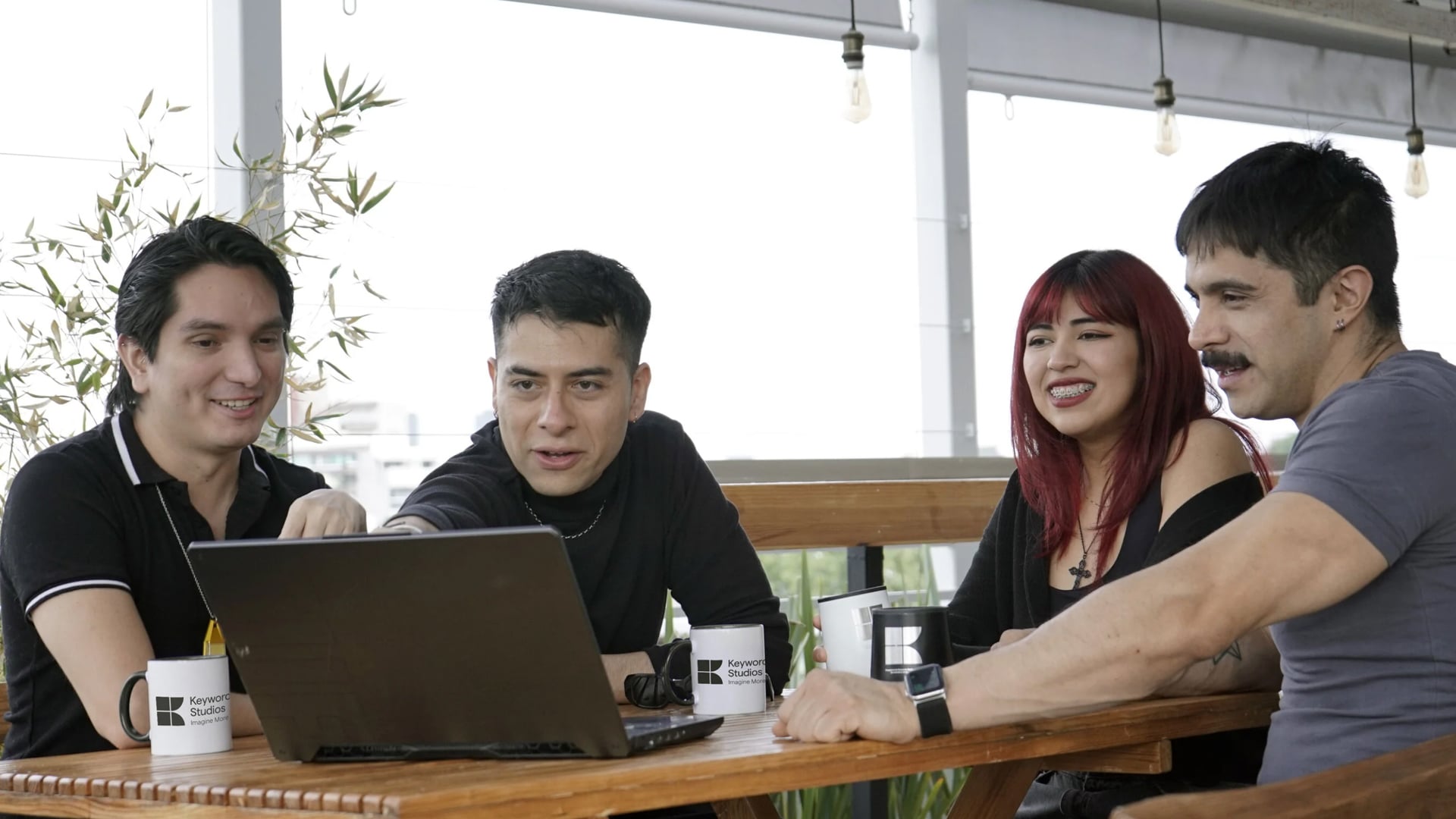
Keywords Studios just ran more than 500 AI tools through live production pipelines and concluded that only “about half a dozen” actually help “in the right way.” That’s a brutal signal for the current AI gold rush.
We’re in the AI Chaos Phase
Key takeaways for studios and solo devs:
- Noise vs. value: The vast majority of tools introduce friction—format incompatibilities, opaque licensing, or output that still needs heavy manual cleanup.
- Risk surface expansion: Every AI integration is another potential leak vector for proprietary assets, design docs, and unannounced IP.
- Workflow drag: Tools that don’t plug directly into existing DCCs, engines, or source-control flows end up as time sinks, not accelerators.
For practical #gamedev planning:
- Treat AI like any other middleware: benchmark hard, run it against your actual production constraints, and measure saved hours, not vibes.
- Prioritize tools that integrate with your current stack (Unreal/Unity plugins, DCC extensions, source-control aware) over shiny standalone apps.
- Make AI a documented part of your pipeline in your next development update—investors and publishers now expect a sober, risk-aware stance, not blind enthusiasm.
The meta right now: a tiny subset of AI tools can meaningfully assist with concept art iteration, asset tagging, or boilerplate code generation. Everything else is either experimental or a liability.
Media Ops: IGN’s Social Command Changes Hands
IGN’s longtime Head of Social, Bob Marshall, has exited the command structure for a new role elsewhere in media. No permadeath—just a faction swap—but it’s a notable move in the broader discovery ecosystem.
Why This Matters for Devs
For studios, especially #indiegame teams reliant on earned media:
- Expect shifts in content cadence and packaging across IGN’s social feeds—thumbnail language, clip selection, and platform priorities may all be recalibrated.
- Relationship maps will need an update: PR teams and community managers should track new decision-makers behind social amplification.
- Experimental formats (short-form video, live segments, creator crossovers) could either accelerate or pause as new leadership tests their own playbook.
If you’re planning launches or beats in the next 6–12 months, build in redundancy: diversify outreach beyond one outlet, and assume social algorithms plus leadership shifts will introduce more volatility than usual.
Culture Scan: Personality Over Patch Notes
A recent Game Scoop segment dove into Peer Schneider’s Facebook photos instead of framerate graphs or netcode breakdowns. On the surface it’s a light diversion; strategically, it’s another data point in how audiences engage with games media.
The signal: players increasingly want human context around the people curating their feeds and coverage. For studios, this aligns with the ongoing shift toward transparent devlogs, behind-the-scenes content, and personality-driven updates.
If your current development update strategy is still limited to sterile patch notes and bullet-point feature lists, you’re leaving engagement on the table. Consider:
- Short, candid video logs from leads or small teams.
- Social posts that frame milestones through personal stories—problems solved, weird bugs, or production war stories.
- Integrating culture shots into your #gamedev channels: studio rituals, workspace snapshots, or community highlights.
Strategic Takeaways for the Week
- Platform Focus: In the UK, PC and console are the clear priority. Align your roadmap, tech stack, and pitch language accordingly.
- AI Discipline: Treat AI tools as high-risk, high-variance middleware. Only deploy what’s proven in your own pipeline, and document the why.
- Discovery Volatility: With leadership shifts at major outlets, build resilient marketing plans that don’t depend on a single social signal boost.
- Human-First Comms: Personality-driven content isn’t fluff—it’s becoming a core part of how games are discovered and remembered.
The sector isn’t in crisis—it’s in recalibration. Studios that respond with disciplined tooling choices, platform clarity, and stronger human storytelling will be the ones still standing when the current noise settles.
Sources and corrections
This archive entry does not have a verified article-source list. Images and video embeds alone are not evidence for every claim.
Found an error? Request a correction. Include the passage and a supporting source.