Automated archive
AI Whiplash, Patent Firewalls, and a Prolonged PS5/Series X War
AI strategies are being torn up, console cycles are stretching, and even Nintendo just got blocked from locking down a core combat mechanic. This week’s Sector Intelligence Report breaks down how these quiet shifts will shape your tools, timelines, and design freedom.
AI-generated summary. This archive article does not have a current recorded source check. Check linked sources before relying on details. Editorial policy

Sector Intelligence Report – Week of April 9, 2026
The last seven days have been a quiet earthquake for #gamedev: AI strategies are being torn up and rewritten, platform timelines are stretching, and even Nintendo just got told “no” on locking down a core combat pattern. Under the noise, the throughline is clear—control over tools, pipelines, and player communities is being renegotiated in real time.
Sony Tightens Its Vision Stack with Cinemersive Labs
Sony’s move to acquire AI and computer vision outfit Cinemersive Labs is less about buzzwords and more about long-term platform leverage.
- Strategic angle: By wiring Cinemersive into its core stack, Sony gains tighter control over next‑gen imaging, tracking, and ML‑driven features that can underpin everything from PS5 camera tech to future XR devices.
- For developers: Expect more sophisticated capture, smarter body/face tracking, and potentially new SDK hooks around computer vision and adaptive rendering. This is the kind of infrastructure that can quietly redefine what “standard” looks like for interaction and accessibility.
- Competitive context: While others lean on third‑party AI vendors, Sony is clearly trying to own more of the underlying tech. That can mean better integration—but also more proprietary lock‑in for studios deep in the PlayStation ecosystem.

For #indiegame teams, this is a double‑edged sword: richer platform features to plug into, but potentially steeper learning curves and more platform‑specific work.
Take‑Two Scraps Its Internal AI Division
Where Sony is internalizing AI capabilities, Take‑Two Interactive is doing the opposite—reportedly laying off its entire internal AI team as part of a broader restructuring.
- Signal: This looks like a pivot away from experimental, in‑house AI R&D toward external tools, engines, and vendors.
- Pipeline impact: AAA studios under Take‑Two may find their AI‑adjacent work (NPC behavior tooling, content generation experiments, analytics) increasingly dependent on licensed middleware and cloud platforms.
- Risk profile: Less internal expertise means less control over roadmap and data governance. For teams building long‑lived live‑service titles, that can translate into vendor lock‑in and slower iteration.

For external developers pitching tech or co‑dev services, this is an opening. For internal devs, it’s a warning: AI in production is shifting from experimental labs to pragmatic, outsourced infrastructure.
Hardware Freeze: PS5 and Series X/S Become Long‑Cycle Battlefields
Component costs and macro‑economic pressure are forcing a de facto hardware freeze: PS5 and Xbox Series X/S are now entrenched as the primary targets for longer than a traditional cycle.
- Production reality: Don’t plan your roadmap around a near‑term PS6 or next Xbox. Assume at least one extra major project (or several smaller ones) will ship on current‑gen hardware.
- Optimization over leapfrogging: Teams need to squeeze more from existing silicon—smarter streaming, asset reuse, and engine‑level optimization instead of banking on a spec bump to cover inefficiencies.
- Cross‑gen fatigue: With successors delayed, the incentive to keep supporting last‑gen fades faster. Expect a sharper pivot to truly current‑gen only SKUs.
For #gamedev leads, this is the moment to invest in:
- Better build automation and profiling on PS5/Series X/S.
- Scalable content pipelines that can support a longer tail of updates.
- Engine features that trade brute‑force rendering for smarter systems (LOD, streaming, procedural dressing).
Xbox: Strategic Silence and Marketing Anomalies
On the Xbox side, two smaller but telling signals emerged:
1. Some First‑Party Studios Sitting Out the 2026 Showcase
Several Xbox first‑party teams are expected to stay dark during the 2026 showcase window.
- Likely reasons: recent launches, long‑cycle R&D, or projects too early for public exposure.
- Dev reading: If you’re in the ecosystem, don’t assume showcase‑driven milestones will define your schedule. Microsoft appears more willing to let some studios incubate rather than force vertical slices.
This can be healthy for production—but it also means more pressure on the studios that do show up to carry platform perception.
2. A Visual Continuity Breach in an Xbox Ad
A single visual anomaly in a current Xbox promo—something that doesn’t quite fit expected console‑ecosystem logic—has sparked speculation.
- If it’s an editing oversight, it underscores how fragile brand cohesion is when marketing moves at social‑speed.
- If it’s deliberate bait, it shows Xbox leaning into ARG‑style viral hooks to drive engagement.
Either way, it’s a reminder that even surface‑level marketing assets can ripple into community expectations and conspiracy‑tier roadmap theories.
Community & Culture: Social Command Shifts and Snack‑Data
IGN’s Head of Social Exits
IGN’s longtime Head of Social, Bob Marshall, has departed for a new role elsewhere in media.
- Expect shifts in content cadence and tone as new leadership recalibrates strategy.
- For studios, PR, and #indiegame teams, this may subtly change how and when coverage lands—especially around social‑optimized beats like trailers, shorts, and influencer cross‑posts.
Relationship‑driven pipelines (early looks, social‑first reveals) may get reshuffled; don’t assume old patterns will hold.
Butterfinger’s PAX East Food‑Fantasy Survey
Butterfinger’s PAX East operation—surveying attendees on which iconic video game foods they’d most want in real life—looks frivolous, but it’s sharp marketing telemetry.
- It blends nostalgia, IP recognition, and physical product R&D.
- For devs, it’s a reminder that even throwaway in‑game items can become cultural anchors (and licensing opportunities) if they’re memorable enough.
Building distinctive, meme‑able items and dishes into your worlds isn’t just flavor; it can be downstream business.
Design Freedom: Nintendo’s Patent Rejected
The US Patent and Trademark Office has rejected Nintendo’s attempt to patent a mechanic where a main character summons a sub‑fighter to join combat.
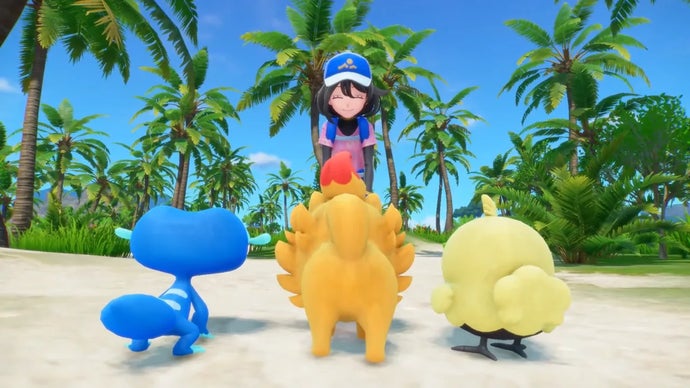
This matters more than it might seem:
- Design space preserved: Summon‑ally systems are foundational in action‑RPGs, tactics games, and character‑action titles. Keeping this mechanic in the public domain protects a wide swath of existing and future designs.
- Precedent: It pushes back against a trend of trying to ring‑fence broad gameplay patterns rather than specific implementations.
For #gamedev and #indiegame teams, this is a rare bit of legal clarity: you can continue to experiment with companion summons, tag‑team systems, and assist‑fighters without worrying about this particular patent door slamming shut.
Strategic Takeaways for Developers
- AI strategy is bifurcating: Sony is internalizing; Take‑Two is externalizing. Studios should map their own AI dependencies carefully—who owns the tools, and who controls the roadmap?
- Plan for a long PS5/Series X/S era: Optimize your current‑gen pipelines instead of betting on near‑term successor hardware.
- Watch platform communication patterns: Xbox’s selective showcase presence and marketing anomalies hint at a more experimental, less predictable messaging cadence.
- Legal and cultural edges matter: From Nintendo’s patent rejection to IGN’s social leadership shift and PAX snack‑data, the edges of law, media, and culture are quietly shaping how games are built, discovered, and monetized.
In a week without a single headline megaton, the underlying meta has shifted: power is consolidating around who owns the tools, who controls the platforms, and who gets to define the language of play.
Sources and corrections
This archive entry does not have a verified article-source list. Images and video embeds alone are not evidence for every claim.
Found an error? Request a correction. Include the passage and a supporting source.