Automated archive
Valve vs PlayStation, Microsoft’s Long War, and NCsoft’s Mobile Flank
Valve steps into the ring as PlayStation’s next major rival while fending off fresh legal fire, Microsoft doubles down on games as a permanent strategic pillar, and NCsoft quietly expands its mobile war chest. This week’s Sector Intelligence Report breaks down what these moves mean for your roadmap, your rights...
AI-generated summary. This archive article does not have a current recorded source check. Check linked sources before relying on details. Editorial policy

Sector Overview
The last seven days have redrawn several lines on the global #gamedev strategy map. Valve is simultaneously squaring up as PlayStation’s next major rival and defending itself on multiple legal fronts. Microsoft has re‑affirmed that games are a permanent pillar of its corporate war chest, while NCsoft, Remote Control Productions, and others are quietly rewiring the production and mobile monetization grid. For studios, publishers, and #indiegame outfits, this week’s signals point to three themes: platform volatility, legal risk on content and commerce, and an accelerating land‑grab in mobile and emerging markets.
Valve: From Platform Partner to Primary Combatant
1. The New PlayStation Rival
A former Sony developer has framed Valve as PlayStation’s “next big competitor,” and that framing is more than console‑war rhetoric. With Steam, Steam Deck, and a rapidly normalizing PC release cadence for former console exclusives, Valve now sits directly in Sony’s path to audience growth. For developers, this intensifies the value of Steam visibility but also increases the likelihood of:
- Tighter ecosystem lock‑ins (exclusive PC windows, launcher‑first deals)
- More aggressive timed content strategies around major AAA beats
- Higher expectations for PC parity at launch, even for projects historically console‑first
Studios planning their next cycle should treat PC not as a secondary port destination, but as a primary battlefield where platform owners will court content with more nuanced incentives.
2. Legal Pressure on Two Fronts
Valve’s week also carried a double legal payload:
-
New York lawsuit update: Valve has issued fresh guidance on an ongoing New York case, signaling that legal and regulatory scrutiny of major digital storefronts is not fading. Any team whose revenue is heavily Steam‑dependent should be tracking these developments as leading indicators for future fee structure changes, refund policy shifts, or regional compliance updates.
-
UK Performing Right Society (PRS) lawsuit: PRS alleges Valve is using member musical works on Steam without proper permission. This moves music licensing from a background compliance concern into the foreground of platform risk. For devs and publishers, the takeaway is blunt:
- Audit all audio assets (licensed tracks, trailers, in‑game music) for clear chain‑of‑title and territory rights.
- Expect platforms to tighten documentation requirements and possibly deploy automated checks.
- Failing to prepare will turn into launch delays or emergency asset swaps.
For #gamedev teams, especially smaller #indiegame studios, a lightweight but rigorous rights‑tracking spreadsheet and explicit contract language around streaming, trailers, and storefront usage are now operational necessities, not nice‑to‑haves.
Microsoft: Long-Horizon Commitment to Games
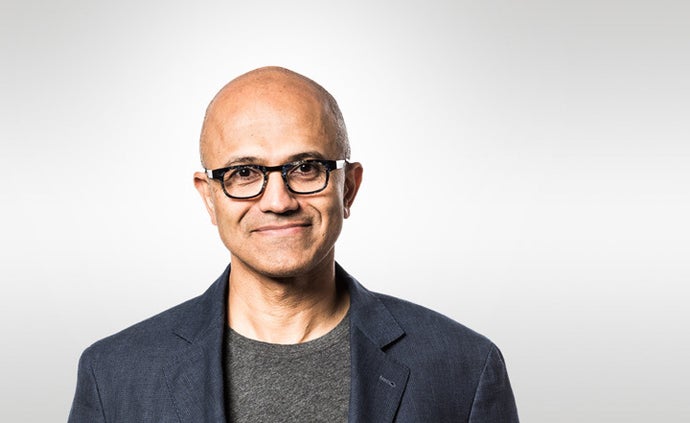
Satya Nadella has reiterated that Microsoft will “always” invest in video games, even as Xbox leadership reshuffles. In practical terms, this is a stability signal to:
- Content partners: Game Pass, cloud initiatives, and first‑party content bets are not short‑term experiments. Studios can still pitch multi‑year roadmaps and live‑ops strategies that lean on Microsoft’s distribution muscle.
- Cloud‑native and cross‑platform devs: Microsoft remains one of the few actors willing to bankroll large‑scale infrastructure for streaming and cross‑save ecosystems. If your roadmap involves cloud‑accelerated features, this is validation to keep building in that direction.
However, “always invest” doesn’t mean “always on the same terms.” Expect:
- Sharper portfolio curation for Game Pass (stricter performance metrics, more data‑driven renewal decisions).
- Stronger emphasis on PC and multi‑device reach rather than pure console exclusivity.
Studios should structure deals and milestones with flexibility: assume platform strategy may tilt toward PC and cloud even more aggressively mid‑cycle.
NCsoft and the Mobile Monetization Front
NCsoft’s move to acquire a 70% stake in Berlin‑based mobile developer JustPlay for $202M is a clear signal that ad‑driven and casual ecosystems remain high‑priority territory.
Strategically, this does three things:
- Expands NCsoft’s Western data footprint, giving it better insight into user behavior across casual segments.
- Diversifies monetization beyond traditional MMO and midcore models toward hybrid ad/IAP strategies.
- Creates a pipeline where experimental mobile concepts can be scaled rapidly under a large publisher’s UA and live‑ops machinery.
For developers, particularly those in the F2P and casual mobile space, this is another proof point that:
- Western mobile studios with strong acquisition funnels and retention metrics are prime M&A targets.
- Cross‑border partnerships can turn regional hits into global portfolio pieces under a larger brand.
If your studio is optimizing for potential acquisition or strategic partnership, focus on clean data, clear monetization performance, and replicable design frameworks—these are the assets larger groups like NCsoft are buying as much as the IP itself.
Production Networks and Leadership Shifts
Remote Control Productions has integrated Brazil‑based Gameplan into its distributed development network, extending its reach into Latin America. This is a quiet but important move:
- Latin America becomes a stronger co‑dev and outsourcing hub, not just a cost‑saving region.
- Multi‑studio networks like RCP can now offer publishers follow‑the‑sun development and localized expertise for regional markets.
Meanwhile, the March 2026 jobs roundup highlights leadership changes at ProbablyMonsters and across multiple studios. Leadership churn at the top often precedes portfolio re‑evaluation, greenlight framework changes, and shifts in risk appetite. For teams already partnered with these organizations, it’s worth:
- Reconfirming roadmaps, deliverables, and expectations.
- Surfacing any long‑pending pitches while new leadership is still forming its slate.
Hardware, Trade, and Platform Economics
Nintendo of America’s lawsuit against the US government over tariffs is less about courtroom drama and more about supply chain economics. If Nintendo succeeds in challenging last year’s trade measures, the ripple effects could include:
- Lower import costs on hardware, accessories, and potentially physical media.
- More competitive pricing flexibility for future devices and bundles.
For developers, especially those betting on long‑tail physical sales or accessories, tariff outcomes can subtly shift attach‑rate assumptions and regional pricing strategies. While this won’t rewrite your design doc, it may influence where and how you prioritize physical distribution versus digital‑only deployments.
Legacy Brands and Community-First Strategy
Finally, Larry “Major Nelson” Hryb joining Commodore International Corporation as Community Development Consultant is a fascinating legacy‑brand play. Commodore’s retro hardware heritage, paired with Hryb’s history as a high‑visibility community operator, suggests:
- A push for modern community infrastructure around retro‑themed hardware or services.
- Potential crossovers with collector, enthusiast, and nostalgia‑driven segments that still spend heavily on premium devices and boutique experiences.
For smaller teams working on retro‑inspired or hardware‑adjacent projects, this is a reminder that community architecture is part of the product, not just marketing. Building strong, transparent channels early can materially affect discoverability, especially in niche segments.
Actionable Takeaways for Devs This Week
- Reassess platform risk: With Valve facing legal headwinds and rising as a primary PlayStation rival, diversify distribution where possible and track policy updates closely.
- Lock down your rights stack: Music and media licensing is now a frontline issue. Implement clear documentation and rights verification before you hit publish.
- Plan for a PC‑first future: From Microsoft’s investments to Valve’s expanding footprint, PC is central. Optimize pipelines, QA, and marketing beats accordingly.
- Watch mobile M&A: NCsoft–JustPlay is another data point that strong casual and ad‑driven portfolios are acquisition‑grade assets.
- Leverage regional networks: Partnerships like RCP–Gameplan show that global co‑dev networks are maturing—consider where your studio fits into that mesh.
In a week defined by lawsuits, leadership shifts, and platform realignments, one constant remains: the studios that treat legal, community, and distribution strategy as core parts of development—not post‑launch chores—will be the ones still standing when the next wave of realignment hits.
Sources and corrections
This archive entry does not have a verified article-source list. Images and video embeds alone are not evidence for every claim.
Found an error? Request a correction. Include the passage and a supporting source.