Automated archive
Project Helix, Tariff Wars, and the New Economics of Game Distribution
Project Helix locks in Xbox’s next hardware vector just as Nintendo opens a tariff front and Google rewrites mobile store economics. From VR retrenchment to Tencent’s regulatory overhang, this week’s Sector Intelligence Report maps the strategic shifts every studio should be tracking.
AI-generated summary. This archive article does not have a current recorded source check. Check linked sources before relying on details. Editorial policy

Watch: Transmitting Gameplay footage from the field: Project Helix and the next Xbox generation
Sector Overview: Hardware Wars, Legal Fire, and Platform Power Plays
This week’s Sector Intelligence grid is dominated by long-horizon platform bets and short‑fuse legal fights. Microsoft is doubling down on games as a permanent strategic pillar, Nintendo is challenging US trade protocols, and Valve has been dragged into a high‑stakes music licensing battle. Meanwhile, mobile economics and VR headcounts are being quietly but materially rewritten—signals every #gamedev team and #indiegame studio should be reading before their next development update.
Xbox Grid: Project Helix and Nadella’s “Always Invest” Doctrine
Microsoft’s new Xbox leadership has officially put a codename on the next generation: Project Helix. The messaging is sparse but precise—Helix is framed as a unified hardware and first‑party content push, designed from day zero for tighter Game Pass integration and cross‑device continuity. For developers, that implies:
- Stronger service hooks: Expect deeper requirements and incentives around Game Pass, cross‑save, and cloud streaming support.
- Platform–service fusion: First‑party launches and platform features will likely be co‑designed, not just co‑marketed.
Reinforcing that signal, CEO Satya Nadella has reiterated that Microsoft will always invest in video games, even as Xbox leadership shuffles.
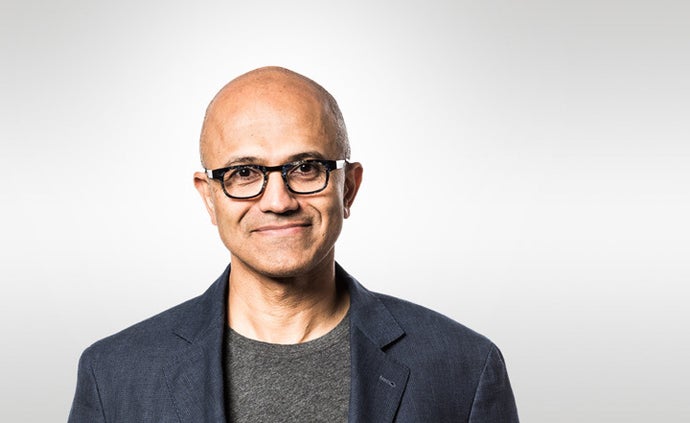
For studios, this is a stabilizing macro‑signal: whatever form Helix ultimately takes, the Xbox ecosystem isn’t winding down. If you’re planning a multi‑year project, Helix should now be in your long‑term platform calculus.
Trade & Regulation: Nintendo vs. Tariffs, Tencent Under Review, Valve in the Rights Crosshairs
Nintendo of America has launched a legal challenge against the US government over what it calls unlawful tariff measures introduced last year. This isn’t a side quest—it’s a potential rewrite of hardware and accessory cost structures:
- If Nintendo wins: Lower import costs could relieve margin pressure on hardware and peripherals, possibly slowing or reversing price creep.
- If Nintendo loses: Higher baseline costs flow downstream—publisher margins, dev royalty negotiations, and even retail pricing on future hardware generations could be affected.
At the same time, US officials are debating whether Tencent should be compelled to divest or ring‑fence its Western games investments. For studios with Tencent capital, that introduces:
- Funding uncertainty: Future tranches, strategic support, or live‑ops cross‑promotion could be interrupted or restructured.
- Ownership complexity: Forced divestment could trigger rapid ownership changes, impacting IP control and long‑term roadmaps.
Valve, meanwhile, is facing a lawsuit from the UK’s Performing Right Society, alleging Steam uses member music without proper permission. This is a wake‑up call for every studio:
- Expect tighter audits on audio licensing across major stores.
- Re‑check your music, SFX libraries, and license scopes—especially for older builds and live games that have accumulated content over time.
Distribution Economics: Google’s 20% Pivot and Indonesia’s Rating Lock-In
Google and Epic Games have ended their long‑running dispute with a structural change that matters: standard Play Store commission is dropping to 20%. For mobile developers, this is not just legal housekeeping, it’s new math:
- Extra margin can be redirected into user acquisition, live‑ops, or content cadence.
- Rival storefronts now face renewed pressure to justify higher fees or follow suit.
In parallel, Steam is enforcing Indonesia’s IGRS content ratings. Any studio targeting that market must:
- Classify titles under IGRS or risk effective blackout.
- Update store metadata, age gates, and regional settings as part of their release checklist.
For #indiegame teams with lean ops, this is a reminder that ratings compliance is now a live‑ops function, not a one‑time launch task.
Workforce & Studio Structure: Silent Reductions and VR Retrenchment
Japan’s game development ecosystem is avoiding Western‑style mass layoff headlines, but developers report headcount shrinking in less visible ways—slower hiring, non‑renewed contracts, and quiet restructuring. The signal:
- Teams may appear stable externally but are operating with tighter staffing and more conservative hiring pipelines.
- Outsourcing, co‑development, and cross‑studio resource sharing are likely to increase, especially on large IP.
In the VR space, nDreams has initiated a significant restructuring, closing two internal studios and triggering notable staff reductions.
The message to VR and AR developers is blunt: the market remains strategically important but not yet robust enough to support expansive internal headcounts without clear revenue traction. Expect more consolidation, more work‑for‑hire, and heavier scrutiny on VR P&L.
Capital, Matchmaking, and Leadership: New Pipelines for Deals and Talent
A few quieter signals round out the week:
- ProbablyMonsters is expanding its leadership stack, reinforcing its model as a multi‑studio, builder‑publisher hybrid. For senior talent, this is a new gravitational node in the Western AAA/AA space.
- Pitchify has launched a matchmaking layer to connect developers and publishers with better fit on funding, genre, and scope. For small and mid‑sized teams, this could become a deal‑flow multiplier if it matures into a trusted marketplace.
Combined, they point toward a future where capital access and leadership density become as important as raw creative talent.
Media & Licensing Silence: Paramount–WB’s Missing Games Narrative
On the transmedia front, Paramount’s first investor call after acquiring Warner Bros notably ignored both companies’ game studios. No synergy roadmap, no licensing strategy, no live‑ops commentary.
For teams working on licensed IP under these umbrellas, this radio silence means:
- Short‑term status quo, long‑term uncertainty.
- Greenlight decisions, marketing budgets, and sequel plans could be revisited once the merged entity finishes its internal strategic review.
Studios should avoid over‑indexing on unconfirmed synergy narratives and instead secure explicit commitments in contracts—support windows, marketing obligations, and post‑launch sustain budgets.
Actionable Takeaways for Devs This Week
- Plan for Helix: If you’re mid‑production on a multi‑year title, assume a Project Helix‑era Xbox will be part of your platform mix.
- Re‑audit your audio: In light of the Valve lawsuit, double‑check music and SFX licenses, especially for older or live products.
- Rework mobile P&L: Update your Play Store projections to reflect the 20% fee—revisit UA and live‑ops budgets.
- Lock in ratings compliance: Treat Indonesia’s IGRS as a template for future regional requirements; bake ratings workflows into your live‑ops toolchain.
- Monitor Tencent exposure: If your studio has Tencent capital, model scenarios for ownership change or strategic disengagement.
- VR with discipline: Use the nDreams restructuring as a reminder to tie VR headcount and burn directly to realistic revenue trajectories.
Across hardware, regulation, and workforce dynamics, the underlying pattern is clear: platforms are thinking long‑term, while studios are being forced to operate short‑term lean. Navigating that tension is the real meta‑game of 2026.
Sources and corrections
This archive entry does not have a verified article-source list. Images and video embeds alone are not evidence for every claim.
Found an error? Request a correction. Include the passage and a supporting source.