Automated archive
Xbox’s New Chain of Command, IGN’s Shockwave, and the AI Red Lines Reshaping #gamedev
Xbox’s leadership reset, IGN’s acquisition fallout, and a fresh wave of corporate retrenchment are quietly rewriting the rules of visibility, funding, and tooling in game development. Studios that adapt their platform strategy, AI ethics, and audience pipelines now will define who survives the next consolidation wave.
AI-generated summary. This archive article does not have a current recorded source check. Check linked sources before relying on details. Editorial policy

Watch: Transmitting Gameplay footage from the field: Xbox leadership briefing and AI-era strategy
Sector Intelligence Report // Weekly Ops Brief
The last seven days have been defined by three converging stressors on the games industry’s operating system: platform power realignment at Xbox, structural failure in legacy media at IGN, and a fresh round of consolidation and contraction across major publishers and IP holders. For studios, especially any #indiegame teams planning long-term roadmaps, this week’s signals are less about headline drama and more about survivability: access to platforms, discoverability as traditional press erodes, and the ethics of AI tooling that will increasingly sit in your pipeline whether you like it or not.
Xbox: New Command, New Red Lines, Same Existential Stakes
Xbox’s upper deck has been completely re-cabled. Sarah Bond’s exit and Asha Sharma’s emergence as Microsoft Gaming’s new commander mark a hard reset moment for the platform’s identity and its relationship with developers.
Sharma is pushing a clear narrative: there is no top‑down quota to deploy AI across the Xbox ecosystem, and “no bad AI” is the new doctrine. Two key implications for #gamedev teams:
1. AI as Optional, Not Ordained
Multiple briefings this week reiterate that Xbox is not enforcing AI in first- or third‑party pipelines. Studios retain control of their toolchains, with Microsoft positioning AI as assistive infrastructure—debugging, asset up-res, and workflow acceleration—rather than as a stealth headcount-reduction weapon.
For developers, this matters on three fronts:
- Creative control: No mandatory AI art or writing systems forced into your stack.
- Ethical posture: A platform-level commitment to “no bad AI” gives cover to teams building consent‑driven datasets and transparent content provenance.
- Player trust: When your community is already suspicious of AI, being able to say “our platform owner has drawn some lines” is meaningful.
2. The Five-Point Xbox Rebuild Plan
New leadership inherits a bruised brand and a fanbase in open revolt over studio closures and shifting exclusivity rules. The internal playbook circulating around Xbox’s new CEO focuses on five levers:
- Rebuild trust with transparent roadmaps – Fewer surprise cancellations, more honest timelines.
- Double down on first‑party output – The only sustainable way to sell Game Pass and hardware.
- Stabilize Game Pass expectations – Clearer messaging on day‑one launches and content churn.
- Clarify multiplatform policy – No more guessing which “exclusive” might jump ship to rival consoles.
- Refocus hardware on player‑centric engineering – Less gimmick, more reliability and accessibility.
For studios, this translates into a likely tightening of portfolio bets: fewer experimental AAA swings, more emphasis on IP that can anchor Game Pass value. That could open doors for well-scoped #indiegame projects that fill genre gaps cheaply and reliably—if you can align with Xbox’s content strategy and prove retention value.

Media Megastructure in Distress: IGN’s Acquisition Fallout
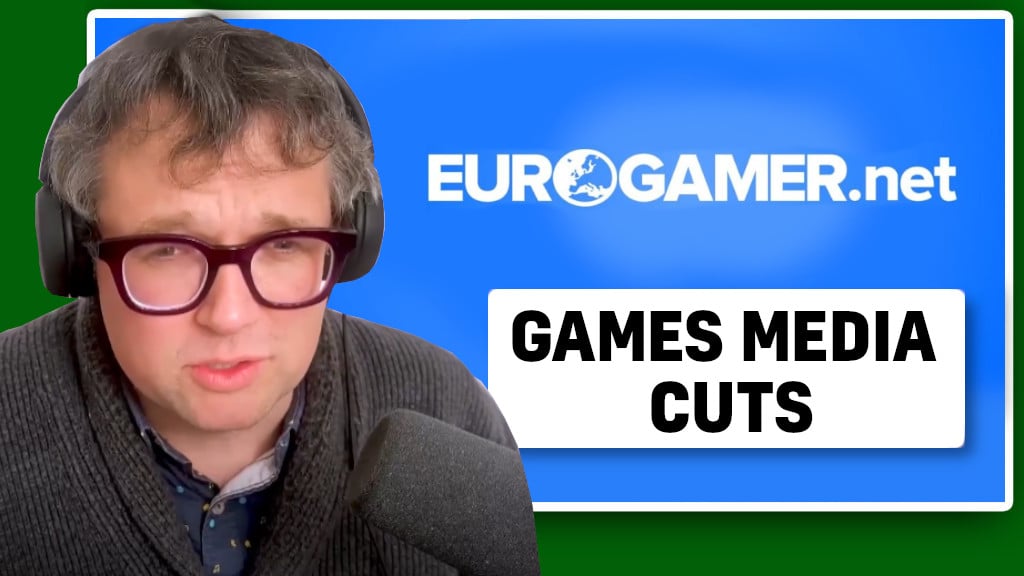
The IGN acquisition saga has shifted from corporate press release to full‑blown cautionary tale. The deal has triggered layoffs and internal instability, with veteran staff publicly unpacking the chaos and what it means for games journalism at large.
Three strategic consequences for developers:
1. Coverage Bottlenecks Are About to Get Worse
As IGN and other large outlets shed staff, fewer writers are covering more games. That means:
- Fewer reviews and features for mid‑tier and #indiegame releases.
- More reliance on traffic‑guaranteed franchises and live‑service behemoths.
- Shorter windows to capture attention before the news cycle moves on.
Studios can’t assume “we’ll get picked up by the big sites” anymore. Building direct‑to‑player comms channels—Discord, newsletters, TikTok, and owned devlogs—stops being optional.
2. Power Shifts to Platforms and Creators
With traditional press weakened, platform front pages and creators become the new gatekeepers. Xbox, PlayStation, Steam, Epic, and Switch featuring is now as critical as an IGN review once was. At the same time, mid‑tier creators on YouTube, Twitch, and TikTok gain leverage as discovery nodes.
This is a dangerous concentration of power: the same corporations controlling distribution (stores, subscriptions, clouds) are also increasingly shaping visibility. Expect more paid placement, more algorithmic opacity, and a steeper climb for organic reach.
3. Journalism as a Career and Watchdog Weakens
The layoffs are not just a human tragedy; they reduce the industry’s capacity for investigative reporting and critical oversight. Fewer reporters means fewer deep dives into labor practices, monetization abuses, and the long‑tail impact of AI on creative work. For bad actors, that’s an opportunity. For everyone else, it’s a risk multiplier.
Consolidation, Cancellations, and the IP Chessboard
Beyond Xbox and IGN, the macro‑picture this week is one of retrenchment and reconfiguration.
Netflix Backs Off Warner Bros Discovery
Netflix walking away from a Warner Bros Discovery acquisition—after Paramount–Skydance overclocked its all‑cash offer—has two key knock‑ons for games:
- Licensing volatility: The future of DC, Harry Potter, and broader WB IP remains in flux. That complicates long‑term adaptation deals for studios betting on transmedia tie‑ins.
- Transmedia risk: Everyone wants the next cyberpunk‑style cross‑media hit, but when ownership is in play, devs risk building on shifting sand.
For #gamedev teams, especially those in work‑for‑hire or co‑dev, due diligence around IP ownership, reversion clauses, and kill fees is now non‑negotiable.
Ubisoft and Tencent: Strategic Retraction
Ubisoft’s latest restructuring wave—publicly acknowledged by CEO Yves Guillemot as a source of “tension”—and Tencent’s shutdown of TiMi Montréal are part of the same pattern: big publishers are pruning Western footprints and recalibrating risk.
Expect:
- Fewer experimental AAA bets, more proven franchises and service models.
- Talent displacement into new studios, co‑ops, and remote‑first outfits.
- A short‑term spike in senior developers available for hire or collaboration.
For smaller teams, this is both a talent opportunity and a competitive threat. You’re now vying with ex‑AAA veterans for funding, grants, and platform deals—but you also have a deeper pool of collaborators for specialized work.
Strategic Takeaways for Studios and Creators
-
Lock in Platform Relationships Early
With Xbox under new command and other holders watching, get proactive: talk to account managers, understand their 12–24 month content gaps, and position your projects accordingly. -
Own Your Audience, Don’t Rent It
As IGN and peers wobble, build resilient channels: newsletters, community hubs, and regular development update posts that don’t depend on a single algorithm or outlet. -
Define Your AI Boundaries Now
Use Xbox’s “no bad AI” stance as a template to codify your own internal AI policy. Be explicit about training data, consent, and how you communicate AI use to players. -
Negotiate IP and Work‑for‑Hire Like the Ground Can Move
Because it can. Assume ownership structures might change mid‑project and bake protections into your contracts.
In a week where leadership, media, and IP ownership all shifted underfoot, the through‑line is clear: resilience in this cycle won’t come from chasing the next headline, but from building stable pipelines, transparent ethics, and direct, durable relationships with your players.
Sources and corrections
This archive entry does not have a verified article-source list. Images and video embeds alone are not evidence for every claim.
Found an error? Request a correction. Include the passage and a supporting source.