Back to Reports
Sector Intel
February 27, 2026
Sector Intelligence Report: Inside the Rubberhose Noir War Machine of MOUSE: P.I. For Hire
Sector Intelligence Report // MOUSE: P.I. For Hire
The last seven days around mouse: p.i. for hire have been less "quiet week in the office" and more "ballistic cartoon crime lab." The latest intel paints a clear picture: this #indiegame isn’t just styling itself as a rubber hose throwback—it’s systematically weaponizing 1930s animation grammar for modern run-and-gun design.
Declassified Ops Briefing: Rubberhose Noir Pipeline
The new behind-the-scenes drop (flagged as a “procedural x-ray” of the project) finally connects the dots between visual style and combat systems. The dev team walks through their rubber hose animation pipeline, camera work, and encounter flow like a forensic breakdown of a crime scene.
Key takeaways for #gamedev observers:
1. Rubber Hose as a Combat Language
Instead of treating rubber hose animation as pure nostalgia dressing, the team appears to be using it as readability tech:
- Exaggerated limb arcs telegraph enemy wind-ups and attack cones.
- Squash-and-stretch on muzzle flashes and recoil clarifies shot timing and direction.
- Bouncy, looping idle states make it easier to spot state changes when an enemy shifts phases or patterns.
This is crucial in a game leaning into bullet-hell-adjacent design. The more elastic and legible the animation, the less UI clutter is needed to communicate danger.
2. Camera Work as a Forensic Tool
The briefing hints at a camera philosophy tuned for side-scrolling lead storms:
- Slight anticipatory framing before big attacks or phase changes.
- Subtle zoom/offset to keep both the player and primary threat in a single, readable composition.
- Environmental staging that uses parallax and high-contrast silhouettes to keep bullets, platforms, and hazards visually separated.
This is the kind of camera discipline that often separates clean, learnable encounters from visual chaos in 2D shooters.
Robo-Betty Contract: Boss Fight Systems Under the Microscope
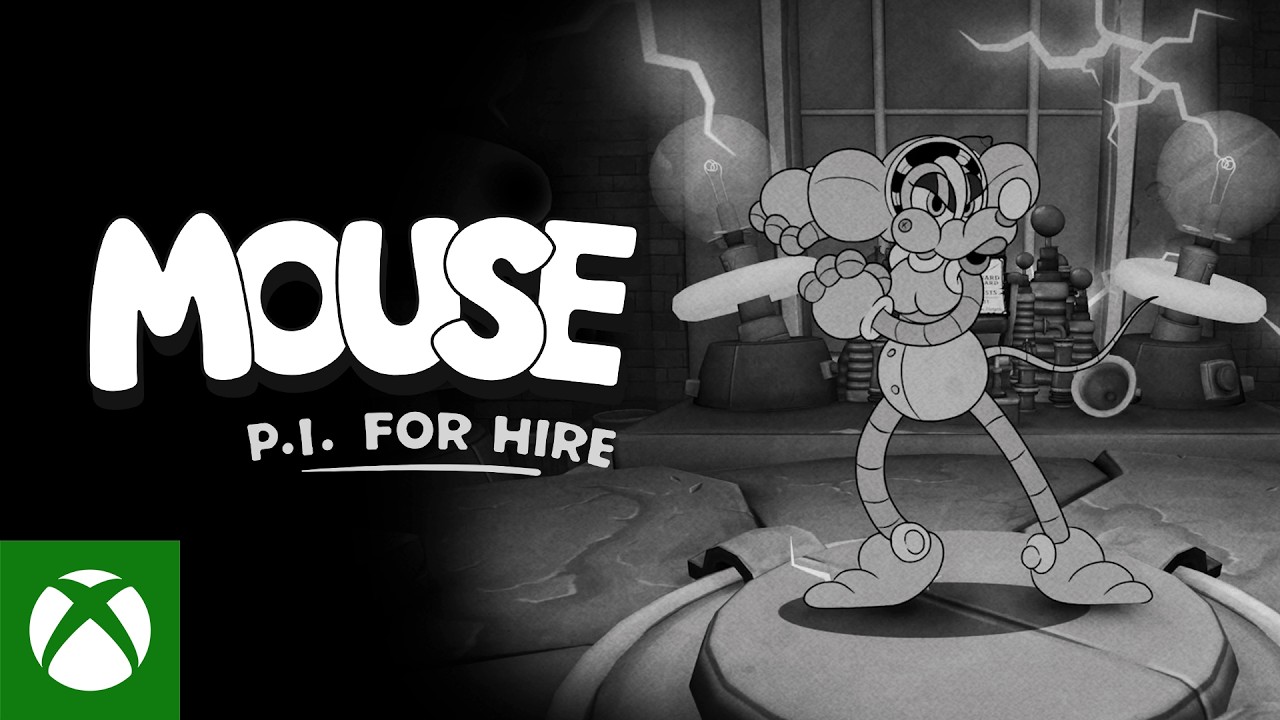
The newly decrypted Robo-Betty contract doubles as a vertical slice of the game’s combat doctrine. Across the Convergence Games Showcase trailer and the dedicated boss fight reveal, we get a cohesive read on encounter pacing and system priorities.
3. Phase-Based Escalation with Bullet-Hell DNA
Intel from the field report describes Robo-Betty as a pattern-heavy, phase-based boss:
- Early phases emphasize 2D positioning and pattern-reading over raw reflex checks.
- Later phases escalate into denser bullet patterns, edging into bullet-hell territory while still grounded in classic run-and-gun movement.
- Destructible cover introduces a resource-management layer: surviving isn’t just about dodging—it’s about choosing when and where to let the arena deteriorate.
This suggests a design ethos closer to curated choreography than procedural chaos. Attacks look tuned to be learnable, punishable sequences, ideal for players who enjoy mastery loops and repeated attempts.
4. Mechanical Contrast: Undersized Rodent vs. Oversized Machine
The encounter leans hard into scale contrast: one small, nimble rodent operative against an oversized mechanized Betty. From a design standpoint, that contrast:
- Justifies large, sweeping attacks that cover big chunks of the screen.
- Creates clear safe pockets for high-skill dodging and counter-fire.
- Allows the boss to double as both hazard and platform, opening the door to patterns where players must reposition on or around Robo-Betty’s body.
This is a classic 2D boss design trick, but here it’s wrapped in a neon noir cartoon chassis that makes the whole exchange feel like a lost Fleischer reel gone rogue.
// Sector Intel: Field still: Rubberhose noir environment and character staging
Production Readiness: What This Week’s Intel Really Signals
Taken together, this week’s development update cadence—deep-dive pipeline briefing plus focused Robo-Betty encounter showcases—sends a clear signal to the market:
- The team is confident enough in its core combat loop to spotlight a full boss fight.
- The visual pipeline isn’t just an aesthetic flourish; it’s tightly integrated with encounter design and player readability.
- The studio is positioning mouse: p.i. for hire as a systems-forward rubberhose noir shooter, not just a retro novelty.
For #gamedev professionals tracking process, the message is simple: this project is past the "style test" phase and firmly into execution and refinement. For players, the takeaway is that this isn’t merely a cartoon detective fantasy—it’s shaping up to be a mechanically disciplined run-and-gun where every frame of animation is part of the combat language.
Expect future drops to expand this vocabulary with additional contracts, new bosses, and further dissections of how noir storytelling, rubber hose animation, and ballistic gunplay are being fused into a single, tightly-scoped #indiegame package.
Visual Intel Captured
Subject Sector
MOUSE: P.I. For Hire
Fumi Games
Mission Intelligence: MOUSE: P.I. For Hire is a noir-infused, 1930s cartoon-style FPS where you navigate a corrupt cityscape as a hard-boiled rodent detective. Players engage in frantic gunplay, mobster takedowns, and cinematic boss encounters like the newly revealed Robo-Betty. Expect retro rubber-hose animation blended with tactical shooting and environmental storytelling. Optimized for fans of immersive shooters, stylized art, and narrative-rich crime capers.
Engage Game PageKeywords Cache
MOUSE: P.I. For Hire
mouse: p.i. for hire
MOUSE PI game
rubber hose animation game
noir indie game
run-and-gun boss design
Robo-Betty boss fight
Convergence Games Showcase 2026
gamedev
indiegame
2D boss encounter design
bullet hell adjacent
game development update
Breach.gg sector intelligence