Automated archive / Monster Hunter Wilds
Monster Hunter Wilds Ver.1.041 Ignites the First Anniversary Hunt
Monster Hunter Wilds’ first anniversary update, Ver.1.041, doesn’t just add an Arch-Tempered threat—it quietly locks in the game’s long-term live ops strategy. Dynamic quests, high-end encounters, and exclusive rewards are converging into a sharper, more deliberate Year 2 roadmap.
AI-generated summary. This archive article does not have a current recorded source check. Check linked sources before relying on details. Editorial policy

Sector Overview: A Year in the Wilds, A New Apex Threat
Monster Hunter Wilds is closing out its first year with a decisive escalation in difficulty and content cadence. The February 2026 Ver.1.041 update isn’t just a commemorative patch; it reads like a statement of intent from Capcom’s #gamedev team: the live-service layer around monster rotations, event quests, and reward tracks is here to stay, and it’s getting sharper.
Across the last seven days, every official transmission has hammered the same message: the anniversary update is the pivot point for Year 2. The recurring beats—“first anniversary,” “February update,” “Ver.1.041,” and “Arch-Tempered Arkveld”—form a clear design thesis: celebrate, challenge, and consolidate.
Ver.1.041: Design Signals Behind the Anniversary Patch
Arch-Tempered Arkveld as a Difficulty Benchmark
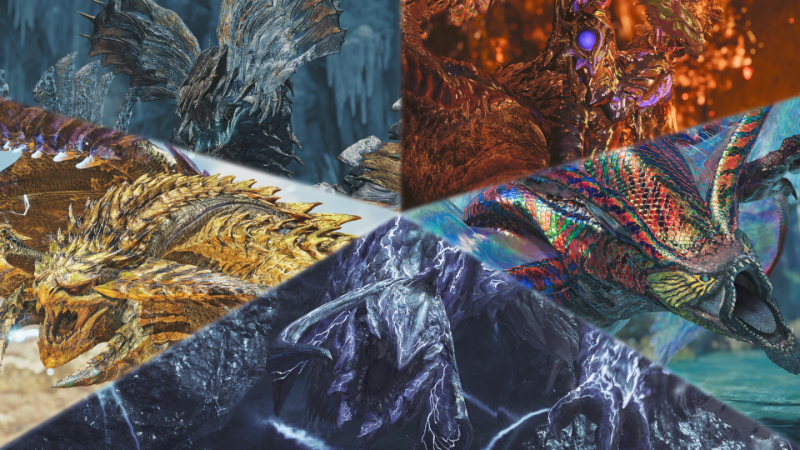
The headline addition, Arch-Tempered Arkveld, is more than a new monster variant; it’s a systems test. Historically, Arch-Tempered monsters in the series serve three functions:
- Skill ceiling calibration: They force veteran players to fully engage with the latest mechanical tweaks—hitbox tuning, stamina economy, and elemental interactions.
- Meta reshuffle: New armor sets and weapons from high-end variants typically warp the build meta, pushing players to re-evaluate comfort sets from earlier patches.
- Longevity lever: Properly tuned, these encounters extend the tail of endgame engagement without requiring a full expansion.
The repeated emphasis on "Arch-Tempered challenge" in the transmissions implies that Ver.1.041 is being positioned as the de facto endgame gate for the current content cycle. For designers, this is the moment where encounter data (clear rates, cart frequency, build usage) becomes invaluable in shaping Year 2 balance.
"New Quests" and "Dynamic Quests": Live Ops in Motion
The activity feed calls out "new quests" and "dynamic quests" as a core part of the February 2026 update. That phrasing matters. "Dynamic" suggests:
- Conditional quest modifiers (weather, monster behavior, multi-target rotations)
- Variable reward tables that respond to player performance or global milestones
- Time-limited event quests that can be iterated on quickly by the live #gamedev ops team
For an online action title like monster hunter wilds, this is the scaffolding of a sustainable event pipeline. If Capcom continues to iterate on dynamic quests, expect:
- Seasonal rotations that create FOMO without hard-locking content
- Experimentation spaces where the team can test new mechanics (e.g., environmental hazards, co-op modifiers) before baking them into core hunts
Reward Economy: Anniversary Gear and Player Retention
The transmissions repeatedly reference "exclusive anniversary rewards," "epic gear," and "winning weapon designs." That last phrase is a key tell: community-designed or contest-winning weapons are being folded into the update, a classic retention and goodwill move.
From a systems perspective, this does three things:
- Reactivates lapsed players who log in to claim limited cosmetics and weapons.
- Strengthens creator and community ties, especially if designs are tied to specific artists or streamers.
- Soft-resets the meta by injecting new weapon options at the same time a high-end threat (Arch-Tempered Arkveld) lands.
If the reward curve is tuned correctly—meaning anniversary gear is strong enough to matter, but not strong enough to invalidate prior grinds—Ver.1.041 becomes a retention-friendly spike, not a power-creep disaster.
Combat & Systems: "Enhanced Gameplay Mechanics" in Context
The phrase "enhanced gameplay mechanics" is doing a lot of work in the official messaging. While the transmissions don’t list granular patch notes, there are a few likely pillars based on series precedent and the current live-service direction:
- Weapon feel passes: Frame data and hitbox adjustments to keep underused weapons viable against late-game monsters like Arkveld.
- Environmental interplay: Monster Hunter Wilds has leaned heavily into terrain and weather; expect tweaks that make environmental tools more relevant in high-end hunts.
- Co-op quality-of-life: Anniversary patches are prime opportunities to refine matchmaking, SOS systems, and lobby flows, especially with a new surge of returning players.
For #indiegame developers watching from the sidelines, the key lesson is how Capcom stages these changes: major monster drops are paired with mechanical refinements, creating a narrative that both challenge and player power are evolving in lockstep.
Community & Event Design: The Anniversary as a Live Ops Template
The first anniversary event is being framed as an "extravaganza" rather than a simple login bonus. Reading between the lines of the transmissions, we can infer:
- Event quest chains that tell a light narrative or progression arc around Arkveld and the world state.
- Layered reward tracks—cosmetics, titles, and possibly emotes or gestures—tied to event participation.
- Time-boxed FOMO calibrated to drive daily and weekly engagement without drowning players in chores.
This is the kind of event scaffolding that can be cloned for future seasonal beats (spring festivals, crossovers, or expansions). The success metrics from this anniversary—concurrent spikes, event completion rates, and cosmetic uptake—will likely define how aggressive the Year 2 calendar becomes.
Forward-Looking Intel: What Ver.1.041 Tells Us About Year 2
Even with limited surface detail, the pattern across this week’s transmissions is clear:
- Monster Hunter Wilds is locking into a yearly cadence where major February updates act as anchor points for content and difficulty spikes.
- Arch-Tempered variants will likely become recurring milestones, serving as both narrative and mechanical capstones for each content arc.
- Dynamic quests and event structures are the real long-term play, giving the team a flexible toolset to respond to player behavior without shipping full expansions every time.
For players, Ver.1.041 is the definitive call to return: new hunts, new gear, and a sharpened endgame. For developers and industry watchers, it’s a case study in how a flagship action franchise adapts its legacy to a live-service reality—using carefully staged difficulty, community-driven rewards, and event architecture to keep the Wilds feeling alive.
As the first anniversary roars to life, one thing is certain: the hunt isn’t winding down; it’s just entering a more dangerous phase.
Sources and corrections
This archive entry does not have a verified article-source list. Images and video embeds alone are not evidence for every claim.
Found an error? Request a correction. Include the passage and a supporting source.