Automated archive / Monster Hunter Wilds
Monster Hunter Wilds Ver.1.041 Ignites the Arch-Tempered Anniversary Offensive
Monster Hunter Wilds’ Ver.1.041 anniversary update doesn’t just add another monster—it redefines the endgame with Arch-Tempered Arkveld, dynamic event quests, and a sharpened combat ecosystem. This is Capcom’s clearest signal yet that Wilds is built for a long, evolving live-service hunt.
AI-generated summary. This archive article does not have a current recorded source check. Check linked sources before relying on details. Editorial policy
Strategic Overview
Monster Hunter Wilds is entering its second year with a decisive escalation: the Ver.1.041 update, a first-anniversary push that folds new endgame threats, event quests, and reward pipelines into Capcom’s live-service cadence. Across the last seven days, official transmissions have converged on a single message: February 18 is not just a content drop, it’s a structural reinforcement of Wilds’ long-term hunt loop.
For players, Ver.1.041 is headlined by the arrival of Arch-Tempered Arkveld and a suite of anniversary quests tuned to high-skill, high-commitment hunters. For developers and #gamedev observers, this patch functions as a case study in how a major AAA ecosystem refreshes itself at the one-year mark—without fracturing its existing meta.
Ver.1.041: Key Payloads in the Update
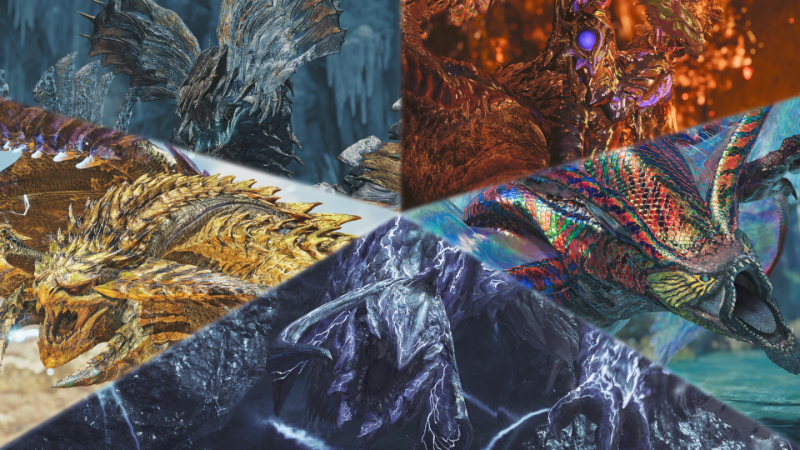
Arch-Tempered Arkveld as Endgame Anchor
Multiple transmissions flag Arch-Tempered Arkveld as the centerpiece of Ver.1.041. Historically, Arch-Tempered variants in the Monster Hunter series represent:
- Aggression and pattern reworks: Faster, less forgiving attack strings and tighter punish windows.
- Defensive inflation: Higher HP and resistances that stretch both time-to-kill and resource management.
- Build pressure: A soft demand that players refine armor sets, decorations, and elemental coverage.
In Monster Hunter Wilds, Arkveld taking the Arch-Tempered mantle signals a deliberate attempt to re-anchor the endgame around a single, showcase encounter. This is the kind of fight that becomes a benchmark for DPS checks, team coordination, and mechanical mastery.
From a design perspective, it’s a classic late-cycle maneuver: instead of introducing an entirely new flagship monster, Capcom iterates on a known quantity, leveraging existing animation and AI frameworks while delivering new behavioral scripts. That’s efficient #gamedev resource allocation with high perceived value.
Anniversary Event Quests and Reward Economy
The activity feed repeatedly highlights new event quests and exclusive anniversary rewards. While specifics aren’t spelled out in the transmissions, we can infer a familiar Monster Hunter pattern:
- Time-limited quests with elevated drop tables or unique materials.
- Cosmetic and prestige rewards, such as layered armor, titles, or guild card flair.
- Winning weapon designs, almost certainly drawn from community contests—an important bridge between player creativity and official content pipelines.
This is where Monster Hunter Wilds quietly blurs the line between AAA and #indiegame sensibilities. Community-designed weapons inject a bespoke, handcrafted feel into a highly industrialized content machine. From a development update standpoint, it’s also a low-risk, high-engagement strategy: art and balance teams refine player concepts rather than authoring every asset from scratch.
Systems Tuning and Gameplay Enhancements
Watch: Transmitting Gameplay footage from the field: Monster Hunter Wilds Systems & Combat Deep-Dive
The feed references “enhanced gameplay mechanics” and “evolving” world behavior with the February 2026 update. That phrasing usually points to systemic, not just cosmetic, changes:
1. Combat Feel and Weapon Flow
Expect micro-adjustments to:
- Hitstop and animation priority, smoothing out edge cases where inputs feel unresponsive under heavy monster pressure.
- Motion values and combo transitions, especially for underperforming weapons in the current meta.
- Stagger thresholds, which can dramatically change how viable certain weapons feel in multiplayer hunts.
For #gamedev watchers, these tweaks are textbook live-ops tuning: small numbers, big impact. The goal is to maintain build diversity without invalidating months of player investment.
2. Quest Design and Dynamic Encounters
The transmissions emphasize “dynamic quests” and “expansive terrains.” Within the Monster Hunter Wilds framework, that likely manifests as:
- Multi-phase hunts where monster behavior adapts more aggressively to player tactics.
- Environmental hazards and opportunities—weather, destructible terrain, and ecosystem interactions that can be leveraged for damage or control.
- Layered objectives that go beyond simple slay/capture win conditions.
From a development update perspective, this is the team doubling down on Wilds’ core thesis: the environment is not just a backdrop but an active system. Scaling that reliably is a non-trivial engineering and design challenge, especially over a live-service lifespan.
First Anniversary as a Live-Ops Milestone
The first anniversary is more than a marketing beat; it’s a health check on Monster Hunter Wilds’ long-term viability.
Player Retention and Progression Arcs
By centering Ver.1.041 around high-end content and reward refreshes, Capcom is clearly targeting:
- Veteran retention: Arch-Tempered Arkveld and tuned event quests give endgame players a renewed mastery target.
- Lapsed player reactivation: Anniversary rewards and celebratory quests create a natural re-entry point—log in, gear up, sample the new difficulty curve.
This dual-focus approach is critical. Over-index on veterans and you alienate returning players; skew too casual and you lose your high-skill community. Ver.1.041 appears to thread that needle by making the hardest content optional but highly aspirational.
Production Strategy and Content Cadence
The February 18 deployment fits into a predictable annual rhythm:
- Launch year: Establish core systems, content breadth, and baseline meta.
- Anniversary year: Tighten systems, elevate difficulty ceilings, and introduce prestige content.
From a #gamedev production lens, Ver.1.041 is a signal that Monster Hunter Wilds has successfully transitioned from “new release” to “ongoing platform.” The team is no longer just shipping monsters; they’re curating a living ecosystem of challenges, rewards, and community-driven designs.
Sector Outlook: What to Watch Next
For players, the immediate directive is clear: prepare for Arch-Tempered Arkveld and the associated anniversary hunts. Optimize builds, revisit underused weapons post-balance, and mine the event quests for exclusive gear.
For developers, designers, and #indiegame teams studying Monster Hunter Wilds as a template, Ver.1.041 offers several takeaways:
- Iterative difficulty variants (like Arch-Tempered) are a powerful way to extend existing assets.
- Anniversary events are ideal for introducing community-designed content, reinforcing player ownership.
- Systemic tweaks can meaningfully refresh a combat ecosystem without requiring expansion-level content.
As Monster Hunter Wilds steps into its second year, Ver.1.041 looks less like a simple patch and more like a statement of intent: this is a long-haul hunting ground, and the escalation has only just begun.
Sources and corrections
This archive entry does not have a verified article-source list. Images and video embeds alone are not evidence for every claim.
Found an error? Request a correction. Include the passage and a supporting source.