Automated archive / Monopoly: Star Wars Heroes vs. Villains
Monopoly: Star Wars Heroes vs. Villains Reprograms the Classic Board Game Meta
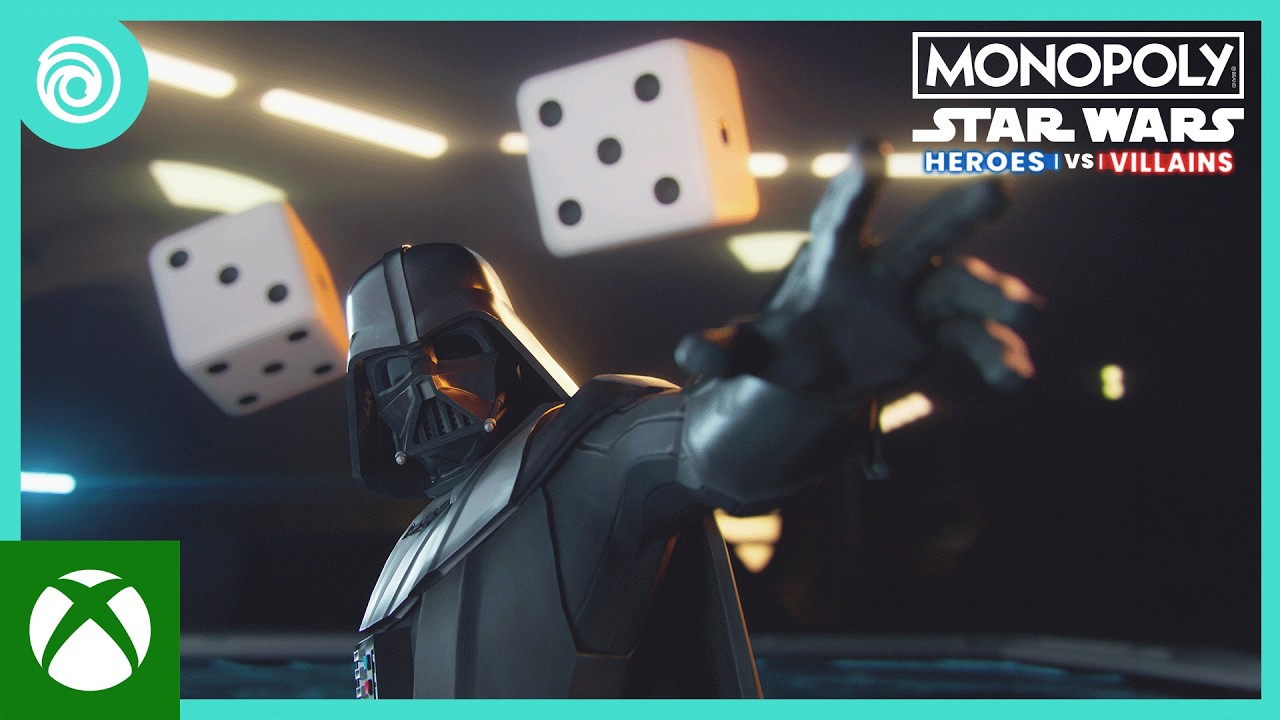
Hasbro’s Monopoly: Star Wars Heroes vs. Villains rewires the classic rent race into a light-side vs. dark-side force-projection conflict across the galaxy. For designers, it’s a live case study in how far you can stretch a legacy ruleset with asymmetric powers, IP-driven mechanics, and tighter session pacing.
AI-generated summary. This archive article does not have a current recorded source check. Check linked sources before relying on details. Editorial policy
Strategic Overview
Hasbro’s Monopoly: Star Wars Heroes vs. Villains is not just another licensed board reskin—it’s a deliberate attempt to rewire the classic Monopoly loop into a light-side vs. dark-side conflict simulator. Instead of raw rent accumulation, the design pivots toward force projection, asymmetric character play, and factional brinkmanship across iconic Star Wars locations.
The activity feed this week paints a clear picture: this is Monopoly reimagined as a galactic campaign, where each decision is less about hotel math and more about control of the Star Wars mythos grid. For designers and #gamedev observers, this is a case study in how a legacy ruleset can be bent—without breaking—around an ultra-recognizable IP.
System Design: From Rent Economy to Force Economy
Re-skinned or Re-engineered?
Field intel describes “classic property control converted into a light vs. dark force-projection exercise.” That framing matters. Instead of passively owning spaces, players deploy Heroes and Villains as active assets:
- Jedi, Sith, smugglers, and scoundrels become mobile levers in the economy, not just flavor on the box.
- Locations across the galaxy function as territorial nodes, reinforcing faction identity as much as they generate credits.
- The traditional Monopoly loop—roll, move, buy, pay—is now interlaced with thematic abilities, cards, and event surges that can spike or stall momentum.
This approach hints at a hybrid ruleset: the core dice-driven risk calculus of Monopoly persists, but the win condition is emotionally reframed. You’re not just the richest; you’re the side that bent the Force—and the map—to your will.
Asymmetry and Factional Brinkmanship
The intel repeatedly flags “asymmetric clashes” and “Heroes and Villains as asymmetric assets.” That suggests:
- Each character or faction likely has unique abilities or modifiers, nudging players toward different macro-strategies.
- Brinkmanship emerges from timing these powers against the board state—when to push your advantage, when to turtle and wait for a card or dice swing.
- For families and casual groups, these levers create short-term tactical highs that break up Monopoly’s notorious late-game drag.
For #indiegame designers studying tabletop pacing, this is a textbook example of using asymmetry and burst events to keep a long-form loop feeling volatile and cinematic.
Experience Tuning: Session Length and Couch Chaos
The activity feed calls out “family-friendly campaign length” and “couch competitive chaos.” That’s a direct response to one of Monopoly’s longest-running UX issues: sessions that overstay their welcome.
Key takeaways for designers:
- Session Compression: Abilities, event cards, and faction powers likely accelerate elimination or victory paths, trimming the tail of the game.
- Engagement Loops: Themed surges—Force events, dramatic swing cards—keep players emotionally invested even when their economic position dips.
- Spectacle Over Spreadsheets: The design leans into “fan-service aesthetics” and franchise-optimized engagement loops, trading some economic purity for cinematic beats that resonate with Star Wars fans.
This is a reminder that pacing is a design choice, not a genre prison—even a legacy economic game can be tuned toward 60–90 minute arcs without losing its identity.
IP Integration: Lessons for #gamedev and #indiegame Teams
For studios navigating licensed or heavily themed projects, Monopoly: Star Wars Heroes vs. Villains offers several actionable insights:
1. Mechanics Must Echo the Fiction
The shift from pure rent to force projection and character deployment is more than a cosmetic overlay. It turns the Star Wars fantasy—heroes and villains clashing across the galaxy—into mechanical reality. That’s the bar for any serious IP integration.
2. Asymmetry as Narrative Delivery
Asymmetric Heroes and Villains aren’t just balance levers; they encode lore into rules. Each character’s ability can act as a narrative micro-beat, giving players a story to tell after the session.
3. Shorter, Sharper Campaigns
“Family-friendly campaign length” is a design north star. By embracing shorter, more explosive sessions, Hasbro aligns the product with modern player expectations shaped by digital games and streaming culture.
Closing Signal: Why This Release Matters
Monopoly: Star Wars Heroes vs. Villains is a live case study in legacy-system modernization. It keeps the recognizable Monopoly backbone while experimenting with factional asymmetry, IP-driven mechanics, and tuned session length.
For #gamedev and #indiegame teams, the message is clear: if a century-old board game can be retooled into a galactic conflict protocol, your own systems are more flexible than you think. Watch this release not just as fans, but as designers dissecting how far a classic loop can stretch before it snaps—and how smart IP integration can turn a familiar grid into a fresh battleground.
Tags: monopoly: star wars heroes vs. villains, #gamedev, #indiegame, development update
Sources and corrections
This archive entry does not have a verified article-source list. Images and video embeds alone are not evidence for every claim.
Found an error? Request a correction. Include the passage and a supporting source.