Automated archive / Minecraft
Minecraft World Breaches Real Space as Mojang Charts Its Next Live Ops Phase
Minecraft just pushed its sandbox beyond the screen: a £50m UK theme park, a fresh Minecraft Live broadcast, and deeper Xbox live integration all landed in the same week. For developers, this is a live blueprint for turning a game into a long-term ecosystem.
AI-generated summary. This archive article does not have a current recorded source check. Check linked sources before relying on details. Editorial policy
Sector Overview: Minecraft’s Multi-Front Expansion
Over the last week, Minecraft has moved on three strategic fronts: a real-world theme park incursion in the UK, a fresh wave of feature and ecosystem details out of Minecraft Live (March 2026), and deeper integration into the Xbox live content grid. For #gamedev teams and #indiegame studios watching one of the world’s most influential sandboxes, this is a live case study in how a mature IP keeps reinventing itself across physical, digital, and broadcast layers.
Mojang’s playbook this week is clear: turn Minecraft from a game into a persistent, cross-medium platform. That has direct implications for how developers think about IP scalability, live ops, and community-facing development updates.
Voxel Frontiers: Minecraft World Theme Park Comes Online
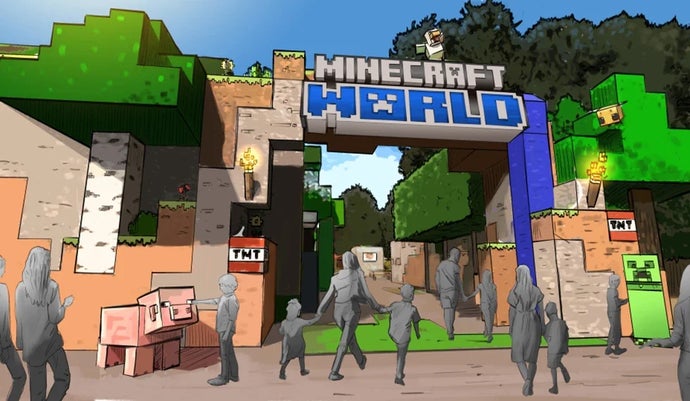
Mojang has locked in a strategic alliance with Merlin Entertainments to build Minecraft World, the first full-scale Minecraft theme park experience, set to open at Chessington World of Adventures in the UK. With a reported £50m investment and a 2027 launch window, this isn’t a light-touch brand activation—it’s a full-on physical instancing of the Minecraft design language.
From a development and design perspective, several signals matter:
Translating Sandbox Systems into Physical Space
Minecraft’s core loop—gather, craft, build, explore—is inherently systemic and player-driven. Translating that into a theme park means:
- Attraction Design as Level Design: Rides and interactive zones must echo familiar mechanics (mining, redstone contraptions, mob encounters) while remaining legible and safe for non-gamers.
- Environmental Storytelling: Expect heavy use of recognizable biomes, block palettes, and mob silhouettes to anchor visitors in a world they can parse instantly, the way a player reads a new seed.
- On-Rails vs. Emergent Play: The biggest design challenge is balancing the on-rails nature of theme park attractions with Minecraft’s emergent, open-ended ethos. Watch for modular play areas, build zones, and potentially RFID or app-linked progression that simulates a save file.
IP as a Cross-Generational Platform
Minecraft World is fundamentally a family-friendly throughput machine. For #gamedev observers, it demonstrates how:
- Long-lived IP can shift from “game product” to transmedia infrastructure.
- Visual simplicity (voxels, clean silhouettes) scales well into cost-sensitive physical fabrication.
- Community imagination gets “weaponized” for the masses: the park will likely codify what the community has already been doing in servers and realms for a decade.
For indie teams, the lesson is not “build a theme park,” but rather: design your worlds so they can live outside the screen—in merch, installations, events, and education.
Operational Debrief: Minecraft Live – March 2026
Watch: Transmitting Gameplay footage from the field: Minecraft Live March 2026 Broadcast
Minecraft Live (March 2026) delivered a full-spectrum broadcast covering upcoming feature deployments, system refinements, and community initiatives. While the exact patch notes and feature lists are still being dissected by the community, the meta-story for developers is already clear: Minecraft continues to operate like a live-service sandbox with long-term technical debt management.
Key Strategic Themes for Developers
- Incremental Core Refinement: Mojang continues to iterate on core systems instead of chasing purely flashy one-off features. This is a reminder that even at Minecraft’s scale, boring but essential systemic updates (performance, worldgen tuning, accessibility, parity across platforms) are what sustain a global player base.
- Community-Facing Roadmaps: The Live format functions as a transparent development update, where big beats are framed for both casual players and power users. #indiegame teams can borrow this pattern: periodic, well-produced update showcases can stabilize expectations and reduce friction around controversial changes.
- Ecosystem Over Feature Creep: The messaging continues to emphasize ecosystem health—education, creator tools, cross-play stability—over raw feature count. For long-running projects, this is a strong case for prioritizing tooling and pipelines over “just one more content drop.”
Voxel Convergence: Minecraft Taps the Xbox Live Grid
The final front this week is broadcast and platform integration. Minecraft is moving deeper into the Xbox live-feed rotation, with curated events, spotlight streams, and weekly feature segments.
Why This Matters for Live Ops and Discovery
- Surface Area for Events: Being baked into “This Week on Xbox” and similar programming turns every update, collab, or in-game event into a platform-level beat, not just a patch note.
- Onboarding via Broadcast: Curated streams can serve as live tutorials, showcasing new mechanics and biomes to lapsed or new players. For #gamedev teams, this highlights the value of teaching through entertainment, especially for complex systems.
- Synergy with Theme Park & Live Updates: The Xbox pipeline becomes a signal amplifier: Minecraft Live announcements and future Minecraft World tie-ins can be cycled through a mainstream console audience, reinforcing the idea of Minecraft as a continuously evolving service.
Indie developers should note the pattern, even if they can’t access Xbox’s megaphone: embed your game into regular, predictable content rhythms—devlogs, streams, seasonal events—to keep your world feeling alive.
Strategic Takeaways for Developers
Across physical parks, live broadcasts, and platform integration, Minecraft is demonstrating how a mature sandbox can:
- Maintain relevance through steady, transparent development updates rather than shock-value overhauls.
- Extend its IP into the real world without losing its systemic identity.
- Use platform partnerships to keep discovery, education, and live ops in constant motion.
For #gamedev and #indiegame teams, the signal is clear: design for longevity, adaptability, and cross-medium expression. Minecraft is no longer just a case study in voxel design; it’s a living blueprint for how a game can evolve into an ecosystem—and now, into a place you can literally walk into.
Sources and corrections
This archive entry does not have a verified article-source list. Images and video embeds alone are not evidence for every claim.
Found an error? Request a correction. Include the passage and a supporting source.