Automated archive / Minecraft
Sector Intelligence: Minecraft World Breaches Real Space as Live Ops Go Full-Spectrum
Minecraft just executed a three‑front expansion: a £50m UK theme‑park land, a new Minecraft Live systems briefing, and deeper Xbox broadcast integration. For developers, it’s a live blueprint for turning a sandbox into a multi‑layered media platform.
AI-generated summary. This archive article does not have a current recorded source check. Check linked sources before relying on details. Editorial policy
Sector Intelligence Report: Minecraft — Week of March 23, 2026
Minecraft’s ecosystem just executed a three‑front maneuver: a £50m real‑world land in the UK, a fresh Minecraft Live systems briefing, and deeper integration into the Xbox broadcast grid. For #gamedev and #indiegame teams studying long‑tail IP strategy, this week is a live case study in how a mature sandbox migrates from “game” to “persistent media platform.”
1. “Minecraft World” at Chessington: IP Jumps the Fence
The headline move is “Minecraft World”, a £50m themed land coming to Chessington World of Adventures in 2027. This is more than merchandised décor; it’s a real‑space conversion of core Minecraft fantasy: blocky exploration, resource loops, and co‑op adventure, translated into rides and attractions.
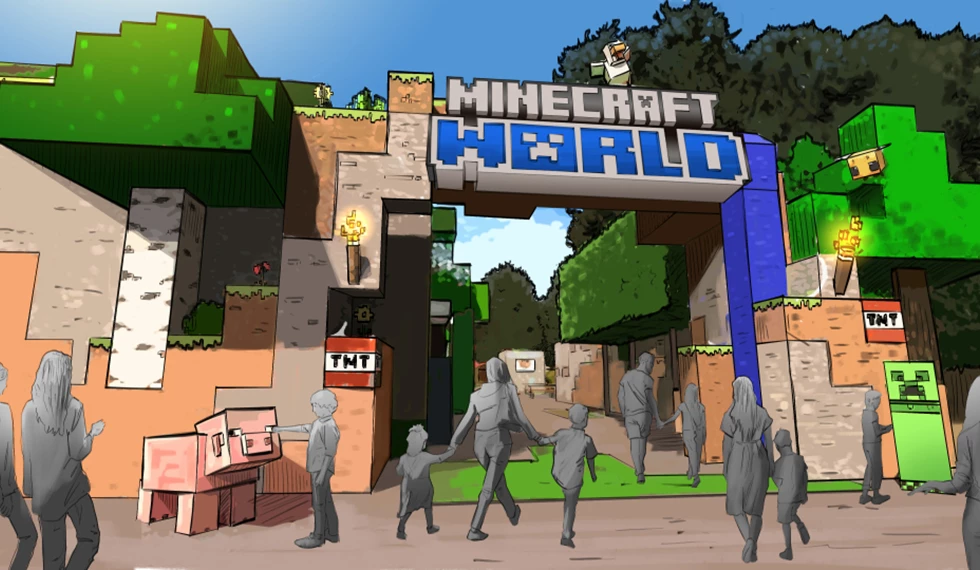
From a design and business standpoint, several signals matter:
1.1 IP as Spatial Design Language
Minecraft’s voxel aesthetic is functionally modular, which makes it ideal for physical fabrication. For designers, this is a reminder that visual language choices can pre‑optimize an IP for transmedia:
- Cubes become architectural primitives.
- Biomes become zoned sub‑lands.
- Mobs and blocks become readable silhouettes at theme‑park viewing distances.
For #gamedev teams, this is a compelling argument for strong, legible shapes and systems that can scale from screen to sculpture.
1.2 Systems Thinking Beyond the Screen
While details are still emerging, expect Chessington’s Minecraft World to mirror the game’s loop:
- Exploration: Pathways, hidden details, and environmental storytelling that evoke caves, villages, and strongholds.
- Progression: Collectible systems, stamps, or digital tie‑ins that echo crafting and advancement.
- Co‑op: Family‑oriented rides and experiences tuned around group problem‑solving rather than passive spectating.
For developers, this is a live example of systems design exported into physical UX. If your #indiegame aspires to transmedia, architect your core loop so it can be re‑skinned into physical puzzles, shows, or installations.
1.3 Data Feedback Potential
If Mojang and Chessington align their telemetry, the park becomes a behavioral lab:
- Which biomes convert best to foot traffic?
- Which mobs drive the strongest emotional response IRL?
- How do families interact with “blocky” affordances versus traditional ride theming?
Those learnings can loop back into digital design—an advanced form of cross‑domain UX testing most studios can only simulate.
2. Minecraft Live (March 2026): Roadmap as Retention Infrastructure
The latest Minecraft Live March 2026 broadcast functioned as a full‑spectrum roadmap drop, from core feature refinements to ecosystem‑level initiatives. The key meta‑lesson for developers isn’t any single feature; it’s how Mojang uses live communication as part of the product itself.
2.1 Broadcast as Design Tool
Minecraft Live has evolved into a design feedback loop in public:
- Features are framed not just as patch notes but as narrative beats in an ongoing saga.
- Community expectations are managed through staged reveals, polls, and explicit discussion of trade‑offs.
For #gamedev teams, especially in live‑ops or early access, this is a playbook:
- Treat every roadmap update as content, not admin.
- Visualize your systems and constraints; explain why you’re cutting or delaying features.
- Use streams and devlogs to turn your roadmap into a shared mission with your players.
2.2 Survival‑Sandbox Recalibration
The briefing underscores how even a dominant title like minecraft still iterates on its survival and sandbox core. The pattern over the last years—and reinforced again here—is:
- Micro‑refinements: Small changes to combat, AI, world‑gen, and progression that keep the meta fresh without alienating legacy players.
- Macro‑pillars: Periodic expansions that add new biomes, mobs, or mechanics, each framed as a thematic “chapter.”
Indie teams can adopt a similar cadence:
- Ship frequent, low‑risk tuning passes.
- Anchor big updates to strong themes that are easy to message and easy to remember.
3. Xbox Live Integration: Broadcast Layer as Discovery Engine
Minecraft’s presence in This Week on Xbox and the broader Xbox live‑feed rotation is a reminder that platform‑level visibility is now part of the design and marketing stack.
3.1 Curated Events as Soft Live Ops
By tying Minecraft into Xbox’s weekly content grid, Microsoft effectively runs soft live ops even when the in‑game patch cadence is slower:
- Spotlight streams keep minecraft in the attention stream without requiring constant major updates.
- Rotating themes and featured content refresh the perception of novelty.
For #indiegame developers, the takeaway is to treat platform content slots as part of your live‑ops plan:
- Pitch themed events or seasonal hooks aligned with platform editorial calendars.
- Build lightweight in‑game or community events that can be synchronized with external promotion.
3.2 Ecosystem Synergies
Minecraft’s deep integration with Xbox isn’t just marketing; it’s ecosystem design:
- Education, Dungeons‑style spin‑offs, and core minecraft all benefit from shared visibility.
- Cross‑promotion within the Xbox UI trains players to see the IP as a multi‑product universe rather than a single SKU.
Smaller studios can mirror this on a different scale by:
- Building families of games or spin‑offs that share lore, assets, or mechanics.
- Using shared Discords, newsletters, or Steam hubs as your own “platform feed.”
4. Strategic Takeaways for Developers
This week’s moves show Minecraft operating as a multi‑layered platform—digital, physical, and broadcast. Key lessons for developers:
4.1 Design for Transmedia from Day One
- Strong, modular aesthetics (like voxels) scale from screen to sculpture.
- Clear biomes, factions, and systems make it easier to pitch theme‑park, TV, or educational extensions.
4.2 Roadmap Communication Is a Feature
- Use streams, devlogs, and events to turn updates into story beats.
- Make your community feel like they’re co‑piloting the roadmap, not just receiving patch notes.
4.3 Leverage Platforms as Part of Your Game Loop
- Align your in‑game events with platform‑level programming where possible.
- Treat discovery surfaces (Xbox, Steam, Switch news, etc.) as extensions of your UX, not just ad slots.
As minecraft marches toward a physical land opening in 2027 and continues to refine its survival‑sandbox core, it remains a masterclass in how a game can evolve into infrastructure. For anyone building the next generation of sandboxes or service games, this week’s Minecraft moves are required study.
Sources and corrections
This archive entry does not have a verified article-source list. Images and video embeds alone are not evidence for every claim.
Found an error? Request a correction. Include the passage and a supporting source.