Automated archive / Mewgenics
Mewgenics Hits 1M, Cracks Steam, and Rewrites the Roguelike Cat Lab Playbook
Mewgenics has detonated out of the gate with over 1 million units sold and six-figure Steam concurrency, powered by ruthless systems design and unapologetically weird cat-lab aesthetics. This week’s Sector Intelligence Report breaks down how its trait stacking, breeding meta, and hidden-route architecture are...
AI-generated summary. This archive article does not have a current recorded source check. Check linked sources before relying on details. Editorial policy

Sector Snapshot: Mewgenics Becomes a Certified Swarm Event
Mewgenics has crossed a critical threshold in its opening operational week: over 1 million units sold and more than 102,000 concurrent players on Steam. For a deeply weird, genetics-obsessed cat roguelike, that’s not just commercial validation—it’s a signal flare for the broader #indiegame and #gamedev sectors.
The numbers matter, but the configuration behind them matters more. Mewgenics is succeeding by leaning hard into design risk: grotesque-feline aesthetics, dense systems, and an unapologetically crunchy tactical loop. In a market saturated with safe, cozy pet sims, this is a counter-programming masterclass.
Combat Data: Why Mewgenics’ Design Is Converting Curiosity into Concurrency
Systems-First, Vibes-Second (But the Vibes Still Kill)
Mewgenics positions itself as a genetic warzone wrapped in turn-based tactics, not a comfort game about cats. Its core loop is built on:
- Trait stacking and mutation chains that behave like modular buildcraft in a traditional roguelike.
- Positioning and spatial control that often outvalue raw stats, forcing players to treat the grid as a live puzzle instead of a backdrop.
- Breeding as long-term progression, with cats effectively functioning as customizable weapon platforms.
This is the same philosophy that powered other systems-driven hits: let players break the game, but make them work for the break. The result is fertile ground for theorycrafting, guides, and community meta formation—key drivers of sustained Steam concurrency.
The 91% Approval Signal
A 91.08% approval score on Steam in the first week is more than feel-good sentiment; it’s a discoverability multiplier. High user ratings boost:
- Algorithmic visibility in Steam’s recommendation systems.
- Social proof for fence-sitters watching the game explode on Twitch and social platforms.
For #gamedev teams watching from the sidelines, Mewgenics demonstrates that if you ship something coherent, confident, and legible in its chaos, players will tolerate (and even celebrate) rough edges as long as the systemic depth is real.
Map Intel: Hidden Zones, Conditional Routes, and Run-Level Story Design
The recent activity feed highlights a surge of interest in act-based area routing and hidden sectors. That’s not just a content checklist—it’s a structural insight into how Mewgenics is engineered to sustain replayability.
Key patterns emerging from the field:
- Acts as layered routing hubs: Each act contains multiple areas with conditional access, encouraging route experimentation rather than linear progression.
- Story flags as keys: Narrative and event triggers unlock alternate paths, tying lore directly into optimal routing strategies.
- Item and squad composition as gate logic: Certain rooms and sectors appear to hinge on specific item states or cat deployment patterns, effectively turning buildcraft into a navigation tool.
This approach blurs the line between story, map, and meta-progression. Instead of content being something you consume, it becomes something you crack—a crucial distinction for roguelike tacticals aiming for long tail engagement.
Watch: Transmitting Gameplay footage from the field: Official Mewgenics gameplay broadcast
Player Ops: Surviving the Genetic Warzone
Guides surfacing this week are converging on a few tactical doctrines that define effective early play:
1. Treat Every Cat as a Loadout, Not a Pet
The most successful runs come from players who:
- Draft cats around synergy packages (e.g., status spread + reposition tools) rather than raw damage.
- Use breeding to lock in core traits that support a preferred playstyle, then iterate from there.
In #indiegame design terms, Mewgenics is effectively turning character attachment into a long-term buildcraft layer—emotional investment and mechanical optimization are fused.
2. Positioning as a Resource
The game heavily rewards:
- Forcing enemies into kill zones, hazards, or combo setups.
- Using traits that manipulate turn order, push/pull, or area denial.
This keeps the tactical layer readable but brutally punishing for sloppy play, which is exactly where high-skill communities thrive.
3. Long-View Power Curves via Breeding Chains
Breeding is less about immediate gratification and more about:
- Curating future rosters that will dominate later acts.
- Avoiding “hard-locked” weak lines that cap your ceiling.
For designers, this is a live case study in how to make meta-progression feel earned rather than a simple grind.
Market Impact: What 1 Million Cats in a Week Means for #gamedev
Mewgenics’ rapid million-plus sales and six-figure concurrency underscore several sector-wide lessons:
- Niche doesn’t mean small: A tightly defined, weird premise can scale if the systems are deep and communicable.
- Systemic virality beats shallow novelty: The clips and conversations that travel are about wild trait interactions, disastrous runs, and hidden routes—not just quirky visuals.
- High-risk aesthetics can be a moat: The unsettling, off-kilter art direction filters out the wrong audience early and galvanizes the right one.
For studios tracking this as a development update case study, Mewgenics is a live demonstration that:
- Strong systemic cores can carry unconventional themes.
- Deep mechanical interlock (traits, breeding, routing, narrative flags) is a powerful retention engine.
- Launch-week concurrency and sentiment can be engineered by aligning design depth with community content creation potential.
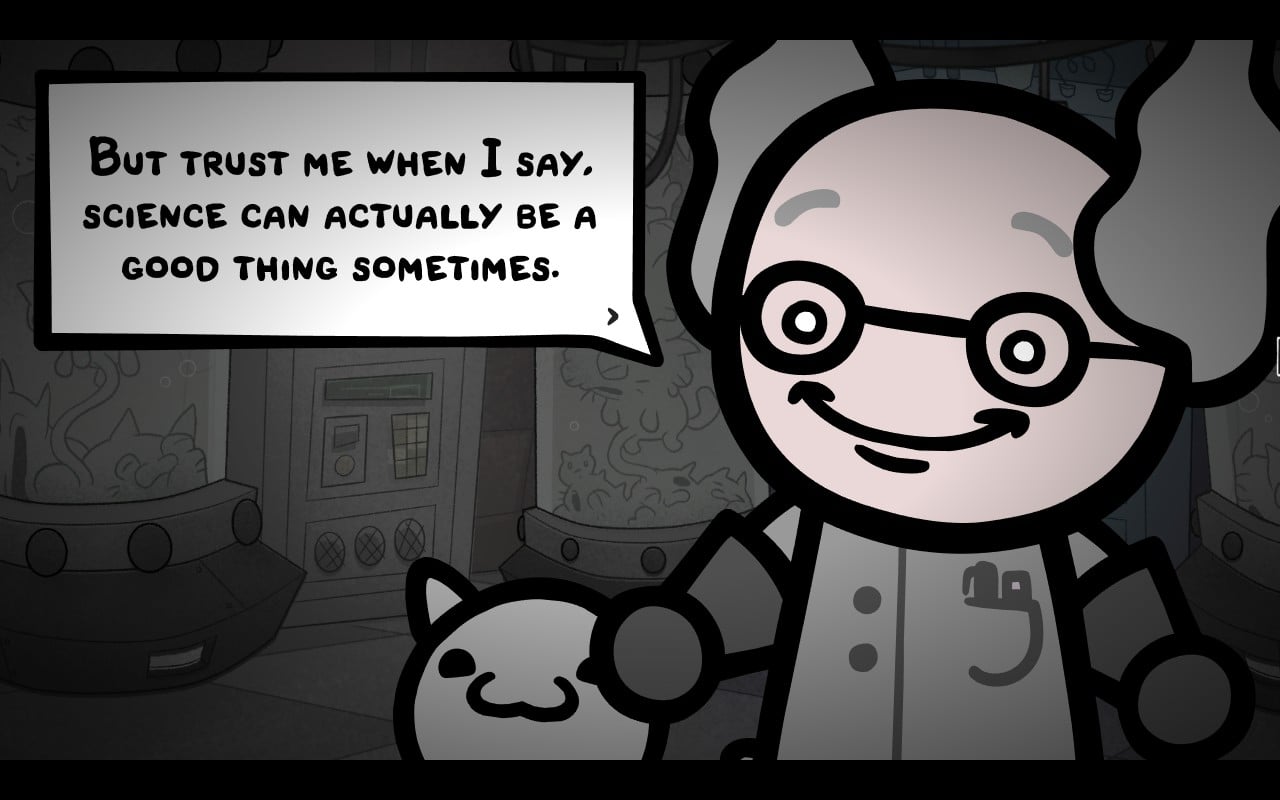
Final Readout
Mewgenics is no longer just a curious cat project—it’s a live reference build for ambitious roguelike tacticals and experimental #indiegame teams. From a #gamedev perspective, its first-week telemetry confirms that there is still massive appetite for games that trust players to navigate complexity, embrace failure, and mine systems for emergent chaos.
Expect the next wave of intelligence reports to focus on balance shifts, patch-driven meta changes, and how the community weaponizes breeding tech as the run count climbs.
Sources and corrections
This archive entry does not have a verified article-source list. Images and video embeds alone are not evidence for every claim.
Found an error? Request a correction. Include the passage and a supporting source.
Your games, in one place
Keep up with Mewgenics
Follow this game to collect its posts in your personal feed. Come back to see what you missed.