Automated archive / Mewgenics
Mewgenics Sector Intelligence: Hidden Zones, Genetic Warzones, and a 100K-Concurrency Breakout
Mewgenics has breached the 100K concurrent player mark on Steam while maintaining a 91% approval rating, powered by brutal genetics, layered routing, and dense tactical systems. This week’s Sector Intelligence Report breaks down its hidden zones, survival meta, and what its success means for gamedev and systemic...
AI-generated summary. This archive article does not have a current recorded source check. Check linked sources before relying on details. Editorial policy

Sector Intelligence Report: Mewgenics – Week of Feb 10–16
Mewgenics is no longer a curiosity pinging the edge of the network—it’s a full-scale data storm. Over the last seven days, the cat-based tactics roguelite has surged past 102,000 concurrent players on Steam while maintaining a 91.08% approval rating, signaling that this isn’t just launch noise; it’s sustained engagement from a highly invested audience.
For developers and designers tracking #gamedev and #indiegame trends, Mewgenics is rapidly becoming a reference point: a case study in how to fuse grotesque genetics, systemic tactics, and dense routing into a single, replayable loop.
Concurrency Breach: 102,008 Players and a Stable Approval Curve
The standout metric from this week’s feed is clear: 102,008 concurrent users on Steam. For a deeply weird tactics title about weaponized cats and eugenics-adjacent breeding, that’s a signal that niche theming isn’t a commercial liability when the systems are strong.
From a design and product perspective, the key takeaways:
- High complexity, high stickiness – The 91.08% approval suggests players are not just curious; they’re internalizing Mewgenics’ systems and committing to learning runs.
- System-driven virality – Screenshots and clips of bizarre cat builds and emergent chaos are doing a lot of organic marketing work. This is “show, don’t tell” design applied to shareability.
- Strong onboarding window – The presence of official “first 28 minutes” footage and survival guides indicates the team anticipated friction and pre-emptively built content to reduce churn.
For other #indiegame teams, Mewgenics demonstrates that if your systems are expressive enough, players will do your evangelism for you—provided you give them the tools and content to understand the chaos.
The Genetic Warzone: Why Mewgenics’ Tactics Loop Hits Hard
The latest intelligence frames Mewgenics explicitly as a “genetic warzone wrapped in turn-based tactics,” not a cozy pet sim. Under the hood, this is a modular loadout game disguised as a cat breeder.
Key systemic pillars highlighted this week:
1. Traits as Modular Weapon Systems
The feed stresses a critical mindset shift: “Treat every cat as a modular weapon system, not a companion.” In practice, that means:
- Traits stack in non-obvious ways, creating exponential power curves when correctly combined.
- Breeding is long-term buildcraft, not flavor—your lineage choices can hard-lock your late-game potential.
- The most effective squads are built around synergy clusters (e.g., status application + positioning control + sustain), not raw stat totals.
From a design perspective, this is a bold stance: emotional attachment is secondary to mechanical expression. That tension—between caring for your cats and min-maxing them—is a big part of why players keep talking about the game.
2. Positioning Over Raw Stats
The intel emphasizes that positioning matters more than numbers. This is classic tactics design, but Mewgenics leans into it with:
- Board states where terrain, hazards, and enemy patterns punish static play.
- Cat abilities that reshape the grid—displacement, zone denial, and forced movement.
- Trait combos that only fully shine when you’re manipulating turn order and tile control.
For #gamedev teams, this is a reminder: if you want deep play, make the board matter as much as the build.
Sector Sweep Protocol: Acts, Hidden Zones, and Conditional Routing
One of the most intriguing developments in this week’s data is the “Sector Sweep Protocol”: a deep-dive into how Mewgenics hides content behind acts, sectors, gated rooms, and conditional routes.
The report outlines a routing philosophy that feels closer to an immersive sim or a roguelike deckbuilder than a typical tactics campaign:
- Acts as macro-sectors – Each act isn’t just a linear chapter; it’s a container for multiple distinct areas with their own triggers and conditions.
- Hidden paths via story flags – Access to certain rooms and routes depends on narrative state, not just progression. Dialogue choices, quest resolutions, or event outcomes may quietly rewire your pathing options.
- Secret chambers through chained conditions – Some of the deepest content appears to be locked behind multi-step chains: progression milestones, specific item states, and even cat deployment patterns.
For players, the recommendation is clear: build a routing matrix. Track which acts, flags, and squad setups you used when a new room or sector appeared. For designers, this is a strong example of how to:
- Layer replayability through conditional access, not just randomization.
- Reward system literacy—the more a player understands how story, items, and squad composition interact, the more of the game they can actually see.
Survival Intelligence: Keeping Your Cats Alive in a Hostile Sandbox
Alongside the high-level routing intel, this week also surfaced more grounded survival guidance: how to actually keep your cats alive long enough to exploit those hidden routes.
The emerging best practices:
- Prioritize sustain early – Healing, mitigation, and status-cleansing traits should be valued as highly as damage in the opening acts.
- Don’t over-commit your best genetics – Treat your strongest breeders as strategic assets, not expendable frontline units.
- Accept loss as part of the loop – The game is built around failure feeding future strength. Deaths are data, not just setbacks.
From a design standpoint, this reinforces that Mewgenics is structured as a long-arc roguelite: you’re not just playing a run, you’re sculpting a bloodline and a knowledge base.
Onboarding the Chaos: Official Transmissions and First-Run Clarity
Watch: Transmitting Gameplay footage from the field: Mewgenics Official Gameplay Trailer
The presence of official transmissions—like the first 28 minutes of Mewgenics and survival-focused tips—shows a deliberate strategy to smooth the early friction curve. Instead of sanding down the game’s complexity, the team is teaching players how to think like Mewgenics:
- Early footage sets expectations around tone (grotesque, absurd, tactical) and pacing.
- Survival guides frame core systems—traits, breeding, positioning—as tools to master, not opaque obstacles.
- This content doubles as marketing and UX: it’s discoverability and onboarding in the same package.
For #gamedev teams, this is a strong pattern: use official video and written content not just to sell the fantasy, but to teach the mental model your game requires.
Visual Signal: The Cat Chaos Aesthetic in Action
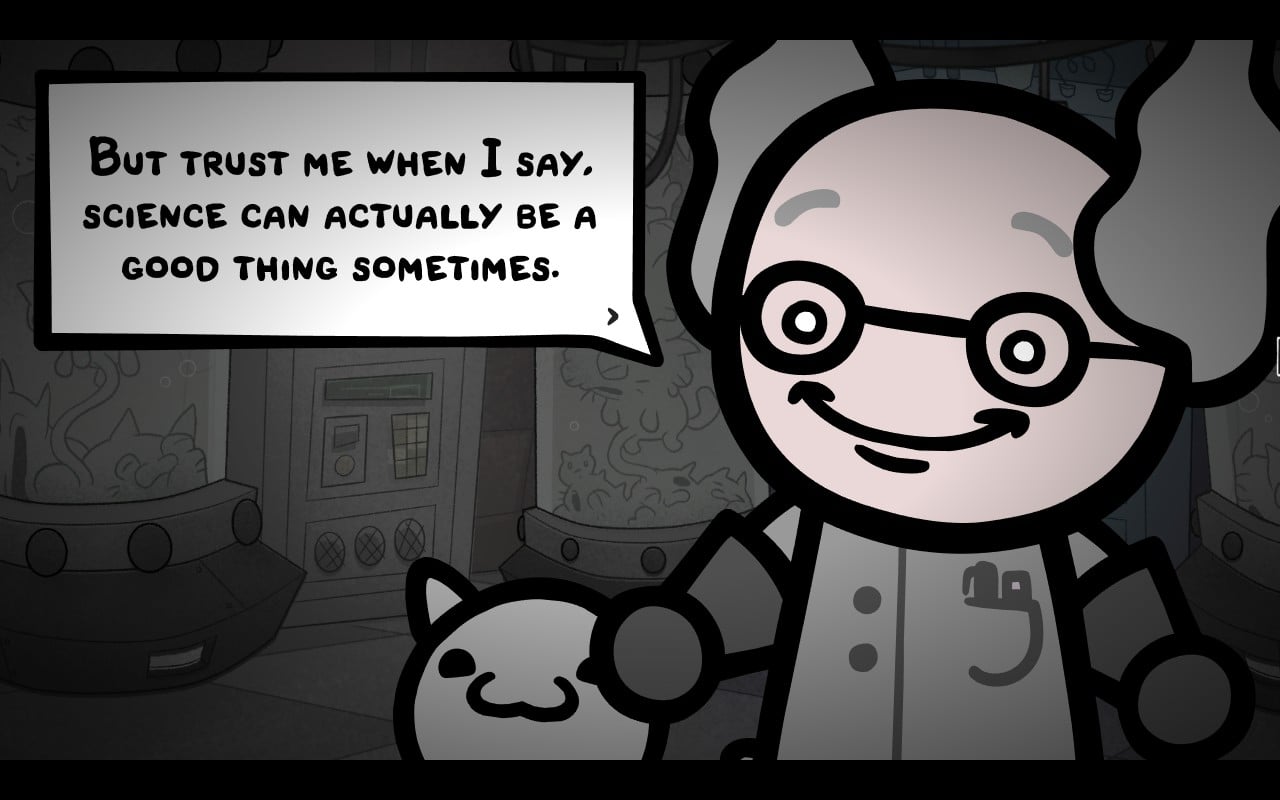
Visually, Mewgenics continues to lean into its unsettling, scribbled aesthetic—a deliberate contrast to its tactical depth. This week’s circulating imagery underscores a few key points:
- Readability through chaos – Despite the noisy, hand-drawn style, combat states remain legible, with clear feedback on hits, status effects, and positional changes.
- Tone alignment – The grotesque-cute mashup reinforces the game’s core tension: you’re emotionally attached to creatures you’re also ruthlessly optimizing.
- Shareable states – Screens like the one above are instantly communicable on social feeds, boosting organic reach for the #indiegame.
Strategic Takeaways for Developers and Designers
Mewgenics’ current trajectory offers several concrete lessons for the development community:
- Embrace a strong identity – The game’s bizarre premise and art direction are not softened for mass appeal, yet the numbers show that a clear, confident identity can outperform safe, generic design.
- Design for systemic storytelling – Hidden zones, conditional routes, and breeding-driven progression turn every run into a story generator. Players aren’t just consuming content; they’re authoring it.
- Support complexity with intentional onboarding – Official transmissions, early gameplay showcases, and survival guides help bridge the gap between curiosity and mastery.
- Let players weaponize knowledge – By tying access (hidden rooms, sectors, power curves) to understanding traits, flags, and routing, Mewgenics rewards learning as much as grinding.
As the concurrency metrics and approval ratings stabilize at high levels, Mewgenics is emerging as a flagship example of how a mechanically dense, stylistically abrasive #indiegame can break into the mainstream conversation—without compromising on its weird, weaponized-cat heart.
Sources and corrections
This archive entry does not have a verified article-source list. Images and video embeds alone are not evidence for every claim.
Found an error? Request a correction. Include the passage and a supporting source.