Automated archive / Metro 2039
Metro 2039 Rewrites the Underground War in Real Time
Metro 2039’s first full week in the spotlight reveals a project fundamentally rewritten by real-world war and rebuilt around atmosphere as a core system. From Xbox’s controlled First Look leak to forensic trailer breakdowns, 4A Games is signaling a harsher, denser, and more politically charged Metro than ever before.
AI-generated summary. This archive article does not have a current recorded source check. Check linked sources before relying on details. Editorial policy
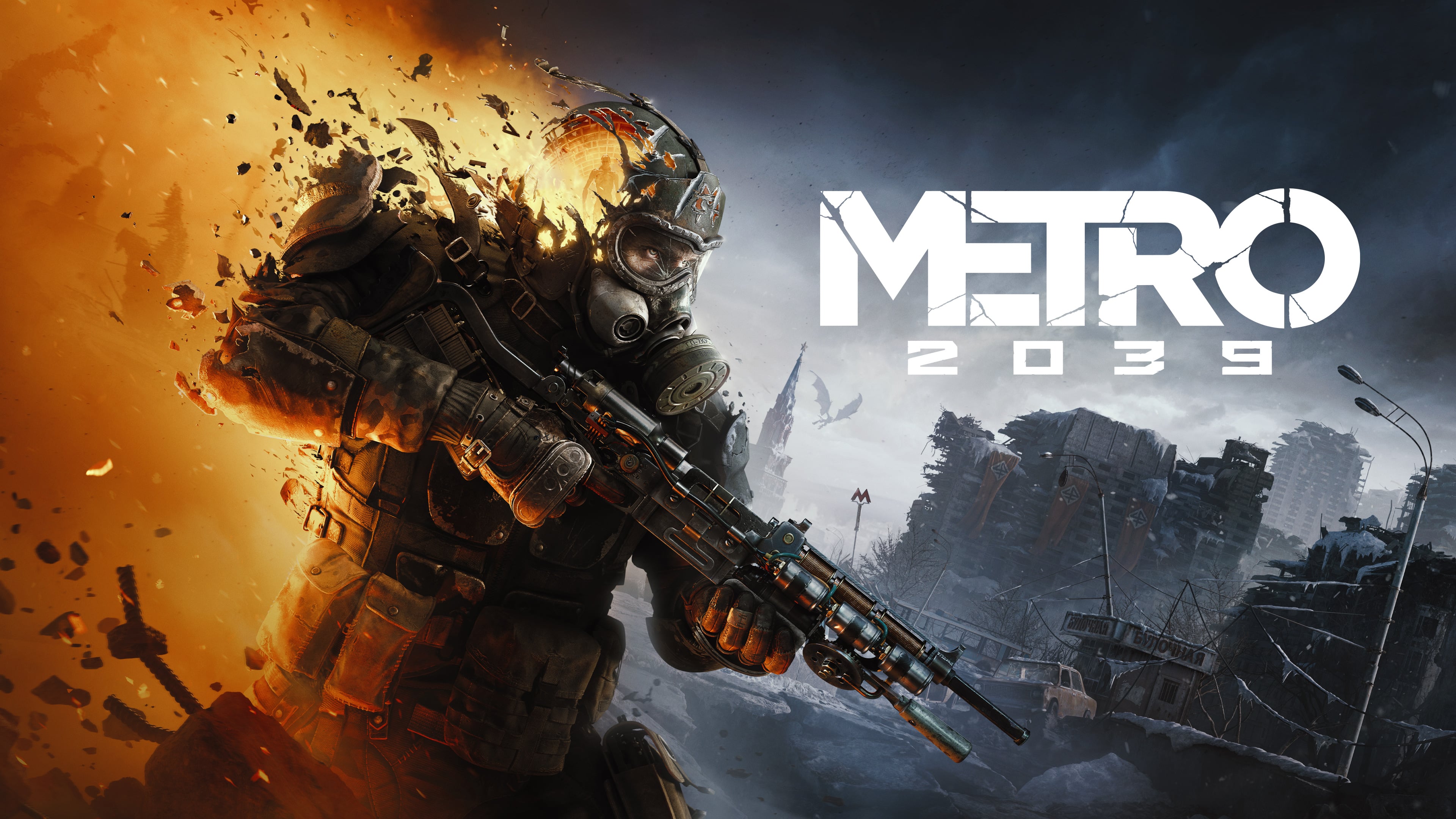
Metro 2039 Comes in Hot: A Fundamentally Rewritten Operation
The last seven days have turned metro 2039 from a codename on a studio roadmap into an active operation on every major platform’s sensor grid. 4A Games and Deep Silver didn’t just confirm the next chapter in the Metro saga—they framed it as a fundamentally changed game, rebuilt in the shadow of Russia’s illegal war on Ukraine. For #gamedev teams watching from the trenches, this is a live case study in how real-world conflict can force a narrative, mechanical, and production-level pivot mid-cycle.
The new deployment is set six years after the original incursion, pushing the timeline deeper into a Moscow that’s more fractured, more irradiated, and more politically charged than ever. Every signal in this week’s feed—teasers, Xbox First Look segments, and breakdowns—points to a project that’s less about power fantasy and more about systemic survival under pressure.
Xbox First Look: Controlled Leak, Maximum Signal
Watch: Transmitting Gameplay footage from the field: Metro 2039 – Xbox First Look broadcast
The Xbox First Look: Metro 2039 broadcast functioned as a controlled leak rather than a full tactical dump. For developers, the interesting part isn’t just what was shown, but what that structure implies:
Platform-First Reveal as Pipeline Strategy
- Microsoft’s uplink framed Metro 2039 as a next-gen atmospheric benchmark, suggesting 4A is once again leaning into heavy-duty rendering and simulation as a calling card.
- The language around “denser tunnels” and “harsher surface ops” telegraphs an engine tuned for high-density geometry, volumetric lighting, and heavy particle loads—areas where the Metro series has historically punched above its weight.
Atmosphere as a Core System, Not Dressing
- The stream emphasized lighting, traversal, and environmental storytelling as primary design levers.
- For #gamedev teams, that reads like a reaffirmation of 4A’s long-standing thesis: atmosphere isn’t art dressing; it’s a game system that modulates tension, pacing, and player decision-making.
Trailer Intel: A Systems Brief Disguised as Marketing
Watch: Transmitting Gameplay footage from the field: Metro 2039 – Official Reveal Trailer
The official Metro 2039 reveal trailer and subsequent breakdowns operate like a covert systems brief for anyone paying attention to design:
Claustrophobic Combat, Tuned for Psychology
- The footage leans hard into tight corridor combat and subterranean firefights, with encounter choreography clearly built to induce panic under scarcity.
- Enemy spacing, light sources, and cover objects are arranged to force players into high-commitment decisions—peek and risk radiation, or stay in the dark and risk ambush.
Survival Loops: Scarcity as a Design Constraint
- Signals point to stricter resource scarcity and heavier radiation management. Metro has always been about limited ammo and filters, but the language around “maximum tension” suggests a recalibration of the core loop.
- Expect:
- More aggressive trade-offs between combat and conservation.
- Systems that punish wasteful play and reward stealth, planning, and route optimization.
Environmental Storytelling as Faction Intel
- Forensic analysis of the trailer flags new faction insignias and gear variants, hinting at a broader human conflict layer.
- This isn’t just lore dressing: those visual cues likely telegraph AI behavior sets, allegiance systems, and encounter expectations—a design move that lets players read risk at a glance without UI clutter.
Narrative Reforged by Real-World War
One of the most significant development updates this week is 4A’s admission that Metro 2039’s narrative and tactical direction were rewritten after 2020, directly influenced by Russia’s illegal war on Ukraine. That has serious implications for how the game positions conflict, occupation, and resistance.
From Fictional Dystopia to Reflective Resistance
- The series has always lived in the space between military fiction and survival horror, but the new framing suggests a pivot towards lived-experience authenticity.
- Expect:
- Sharper focus on civilian cost, occupation dynamics, and resistance networks.
- Moral choices that feel less like binary “good/evil” toggles and more like survival calculus under oppression.
Tactical Design Informed by Frontline Reality
- Reports indicate deeper stealth and harsher choices—signals that real-world conflict has informed not just story beats but moment-to-moment design.
- For #gamedev and #indiegame teams, Metro 2039 becomes a high-profile example of:
- How to re-scope narrative mid-development without discarding the franchise identity.
- How to let real events reshape encounter design, AI behavior, and stakes, instead of tacking on topical references at the end.
Tech & Tunnels: What the Visual Stack is Telling Us
Across the official reveal, Xbox uplinks, and trailer breakdowns, a few technical priorities emerge:
Lighting Pipelines and Next-Gen Irradiation
- Descriptions of “next-gen atmospheric rendering” and “next-gen radiation in every corridor” point toward aggressive use of global illumination, volumetrics, and dynamic shadows.
- Metro has historically been a ray tracing showcase; Metro 2039 appears to double down, using lighting not just for realism but as a mechanical constraint—visibility, detection, and navigation all shaped by how much light you dare to expose yourself to.
Denser Ruins, Denser Simulation
- “Denser tunnels” and “denser ruins” imply:
- Higher object counts and micro-detail in environments.
- More opportunities for systemic interactions—debris as cover, destructible elements, and more emergent stealth paths.
- For developers, this reads as a bet on CPU/GPU headroom of current-gen hardware to support richer simulation without sacrificing Metro’s trademark performance-conscious optimization.
Sector Takeaways for Developers and Designers
From a sector intelligence perspective, Metro 2039’s reveal week broadcasts a few clear trends:
- Atmospheric fidelity as a design pillar: 4A continues to treat atmosphere as a gameplay system, not a marketing bullet point.
- Real-world conflict reshaping fiction: The pivot in narrative and mechanics shows how external events can—and arguably should—alter a game’s thematic direction.
- Platform partnerships as amplification: The Xbox First Look positioning demonstrates how a well-timed platform partnership can serve as both marketing and transparent dev diary, especially when the footage foregrounds systems over sizzle.
For studios—AAA and #indiegame alike—Metro 2039 is rapidly becoming a key 2026 case study in how to evolve a legacy IP without abandoning its core: tension, scarcity, and the crushing weight of a world that wants you dead, but needs you to look closer.
Sources and corrections
This archive entry does not have a verified article-source list. Images and video embeds alone are not evidence for every claim.
Found an error? Request a correction. Include the passage and a supporting source.
Your games, in one place
Keep up with Metro 2039
Follow this game to collect its posts in your personal feed. Come back to see what you missed.