Automated archive / Marvel's Spider-Man 2
Marvel’s Spider-Man 2 Swings Into PS Plus and Opens a New Data Window for Devs
Marvel’s Spider-Man 2 just transitioned from premium flagship to subscription pillar as it headlines February’s PlayStation Plus Game Catalog. For developers, it’s a live test case in dual-protagonist design, next-gen streaming, and how first-party blockbusters extend their lifecycle inside a subscription ecosystem.
AI-generated summary. This archive article does not have a current recorded source check. Check linked sources before relying on details. Editorial policy

Sector Snapshot: Web-Heads Invade the Subscription Grid
Marvel's Spider-Man 2 just executed a major strategic repositioning: the PS5-exclusive is now confirmed as the headline addition to February 2025’s PlayStation Plus Game Catalog for Extra and Premium subscribers. For players, it’s a value spike. For #gamedev teams, it’s a live case study in how a prestige first-party title extends its lifecycle via subscription ecosystems.
Over the last week, intel moved from leak to lock-in. A backend listing first exposed Marvel’s Spider-Man 2 as a likely February PS Plus arrival, hinting at Sony’s intent to keep engagement high through early 2025. Days later, Sony fully confirmed the lineup, with Spider-Man 2 front and center among a diverse slate that includes Test Drive Unlimited Solar Crown, Neva, and Season: A Letter to the Future.
This is more than a content drop; it’s a high-signal moment for anyone tracking subscription economics, open-world pipeline design, and dual-protagonist systems.
Why Spider-Man 2 Is the PS Plus Headliner That Matters
Lifecycle Strategy: From Premium Launch to Platform Pillar
Marvel’s Spider-Man 2 launched as a flagship PS5 experience, optimized for fast SSD streaming and high-density urban traversal. Moving it into the PS Plus Game Catalog now:
- Extends its tail by reactivating lapsed or hesitant buyers.
- Strengthens PS5’s value proposition against competing ecosystems.
- Positions the game as a long-term “platform showcase” that every Extra/Premium subscriber is expected to at least sample.
For developers, this is a clear signal: Sony is willing to rotate top-tier first-party titles into subscription windows once the initial premium sales curve stabilizes, using them as anchors to boost retention and engagement.
Dual-Protagonist Design in a Subscription Era
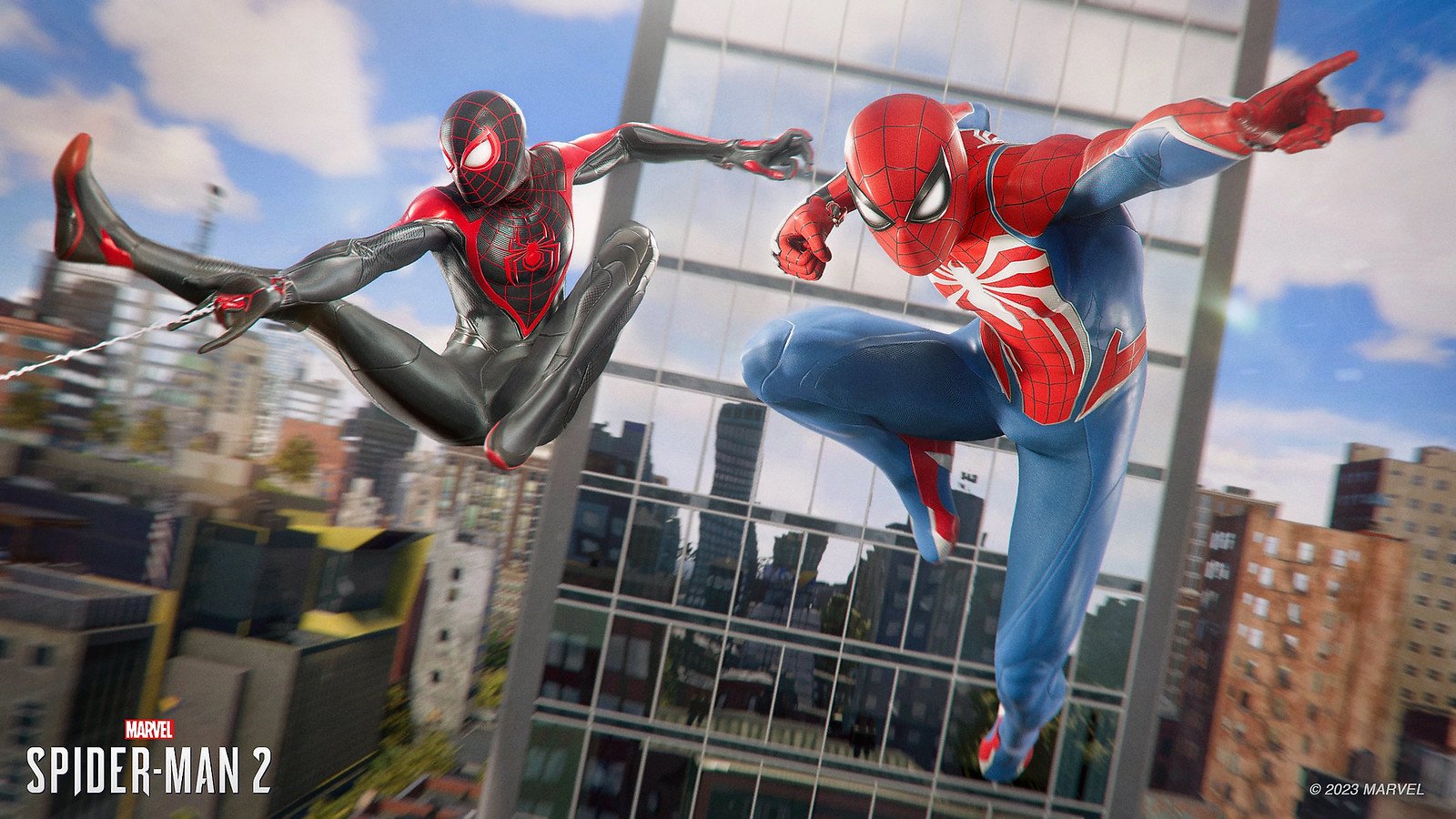
Marvel’s Spider-Man 2’s biggest systemic swing is its dual-protagonist structure, letting players fluidly swap between Peter Parker and Miles Morales across a larger, denser New York. In a subscription context, this matters because:
- Onboarding friction drops: New players sampling via PS Plus get immediate variety in combat kits, traversal movesets, and narrative tone.
- Engagement loops deepen: Character-specific side content and ability trees extend the perceived value per session.
- Replayability improves: Devs can study how character switching and mission routing affect retention curves over a broader player base.
For #gamedev teams planning multi-character campaigns, Spider-Man 2 on PS Plus becomes a living analytics magnet—especially around pacing, fatigue, and narrative handoffs.
Technical Signals: Streaming, Traversal, and Open-World Pacing
Marvel’s Spider-Man 2 remains one of the cleanest public examples of next-gen streaming tech applied to an open-world city. With a fresh wave of PS Plus players incoming, expect renewed discourse and GDC-style breakdowns on:
- Streaming Architecture: Near-instant fast travel and high-speed web-swinging highlight how aggressively data is streamed and culled. The subscription bump means more edge-case reports on load behavior, asset pop-in, and performance modes.
- Traversal as Core UX: Spider-Man 2 turns movement into a primary reward loop. For both AAA and #indiegame teams, it underlines how traversal mechanics can compete with traditional combat or loot systems for player attention.
- Open-World Pacing: The game’s mission density, side activity clustering, and story beats offer a template for balancing narrative urgency with sandbox freedom—critical for teams building cities, hubs, or large overworlds.
Cross-Genre Context: What the February Catalog Says About Sony’s Content Strategy
The February PS Plus Game Catalog lineup isn’t a one-note superhero drop. Pairing Marvel’s Spider-Man 2 with Test Drive Unlimited Solar Crown, Neva, and Season: A Letter to the Future creates a deliberate spread across player psychographics:
- Test Drive Unlimited Solar Crown: Social open-world driving. Good comparative material for networked worlds, progression economies, and long-term live ops.
- Neva: A tightly authored, emotionally charged adventure—prime #indiegame reference for art direction, minimalistic UI, and story delivery.
- Season: A Letter to the Future: Slow, reflective exploration with tools (camera, recorder, journal) as verbs. A counterpoint to Spider-Man 2’s kinetic design, highlighting how low-intensity loops can still sustain engagement.
For developers, Sony’s curation reads like a design syllabus: one high-budget traversal sandbox, one social racer, one prestige indie narrative, one meditative explorer. It’s a subtle but clear pitch that PS Plus is not just a backlog dump, but a portfolio designed to cover multiple design philosophies.

Competitive Implications and Takeaways for Devs
- For AAA studios: Marvel’s Spider-Man 2 on PS Plus reinforces the model where big-budget single-player titles can enjoy a second life as subscription anchors. Planning for this from the outset (telemetry hooks, post-launch tuning, content cadence) is increasingly non-optional.
- For #indiegame creators: Sharing a catalog window with a juggernaut like Spider-Man 2 can be a visibility challenge, but also a discovery opportunity. Season and Neva show that distinct tone and strong visual identity can still cut through.
- For platform strategists: The move underscores Sony’s intent to use first-party IP as a retention lever rather than purely a box-sale driver. Expect similar beats from other franchises once their premium window matures.
Sector Outlook
Marvel’s Spider-Man 2 swinging into the PlayStation Plus Game Catalog is more than a marketing beat—it’s a structural data point in how Sony wants its ecosystem to function. As a design artifact, it remains a benchmark for traversal, streaming, and dual-protagonist storytelling. As a subscription asset, it’s a test case in how far a single blockbuster can move engagement needles when deployed at the right moment in its lifecycle.
For anyone building the next open-world city, character-driven action game, or subscription-savvy release plan, February’s catalog update is required reading.
Sources and corrections
This archive entry does not have a verified article-source list. Images and video embeds alone are not evidence for every claim.
Found an error? Request a correction. Include the passage and a supporting source.