Automated archive / Marvel's Spider-Man 2
Marvel’s Spider-Man 2 Swings Into PS Plus and Back Into the Design Discourse
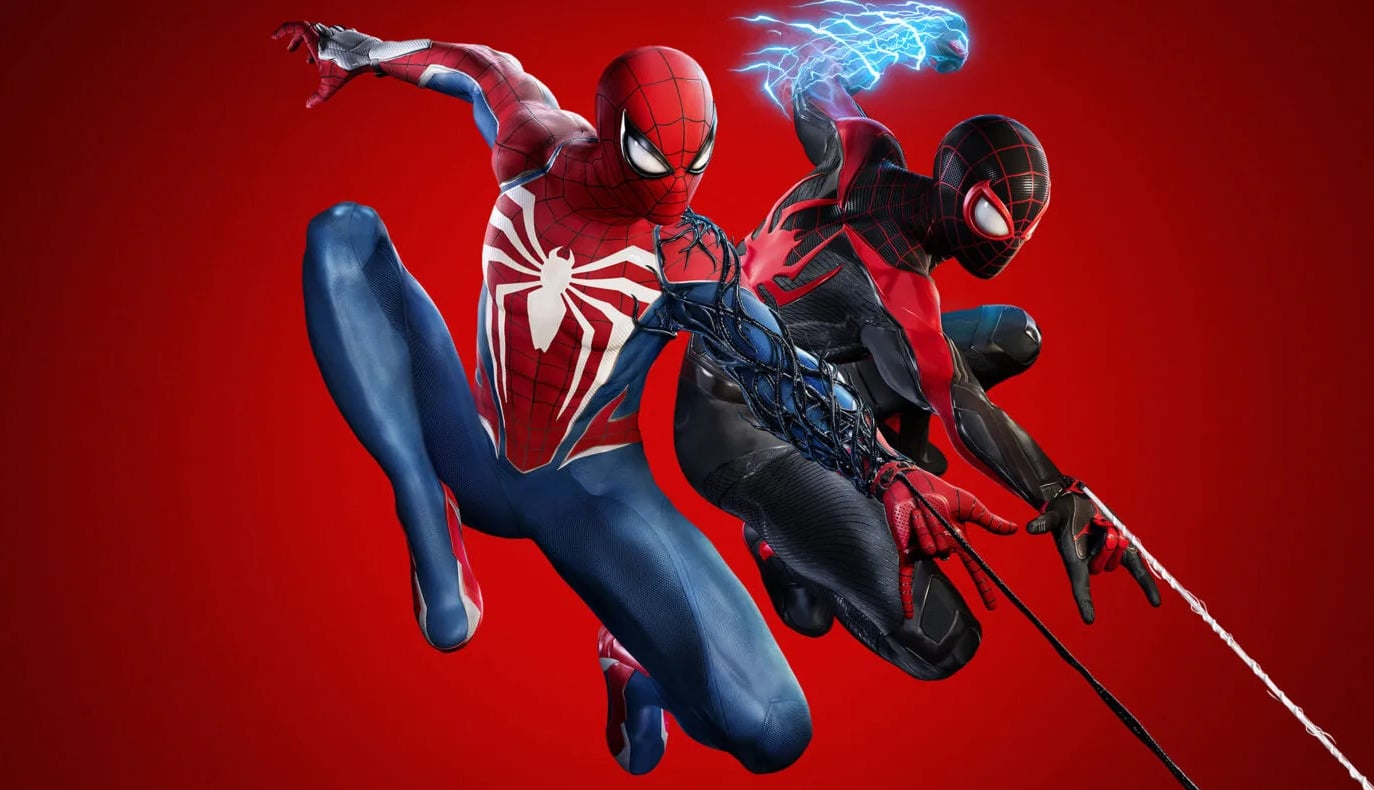
Marvel’s Spider-Man 2 just executed a second launch, swinging into the February PlayStation Plus Game Catalog and back into the industry’s design crosshairs. For developers, it’s a fresh opportunity to dissect Insomniac’s dual‑hero structure, traversal‑first philosophy, and PS5‑tuned streaming tech.
AI-generated summary. This archive article does not have a current recorded source check. Check linked sources before relying on details. Editorial policy
Sector Overview
Marvel’s Spider-Man 2 just executed a major relaunch maneuver: Insomniac’s PS5-exclusive has been confirmed as the headline entry for the February 2025 PlayStation Plus Game Catalog, available to Extra and Premium subscribers. For players, it’s a value spike; for #gamedev observers, it’s a fresh chance to re‑interrogate one of Sony’s most technically polished open-world sandboxes now that it’s frictionlessly accessible.
The timing is strategic. Early‑year subscription doldrums are real, and dropping marvel's spider-man 2 into the catalog is Sony’s way of re-energizing engagement while extending the game’s commercial half‑life. It also places Insomniac’s design work back under the microscope at the exact moment when discourse around first‑party portfolio management (Horizon vs. everything else) is heating up.
PS Plus Deployment: What the Data Says
The confirmed PS Plus update frames marvel's spider-man 2 as the centerpiece in a multi‑genre spread that also includes Test Drive Unlimited Solar Crown, Neva, and Season: A Letter to the Future. From a systems perspective, this is a curated stress test for Sony’s content strategy:
1. High-Velocity Flagship: Spider-Man 2
Marvel’s Spider-Man 2 is the obvious draw. Its inclusion gives Sony:
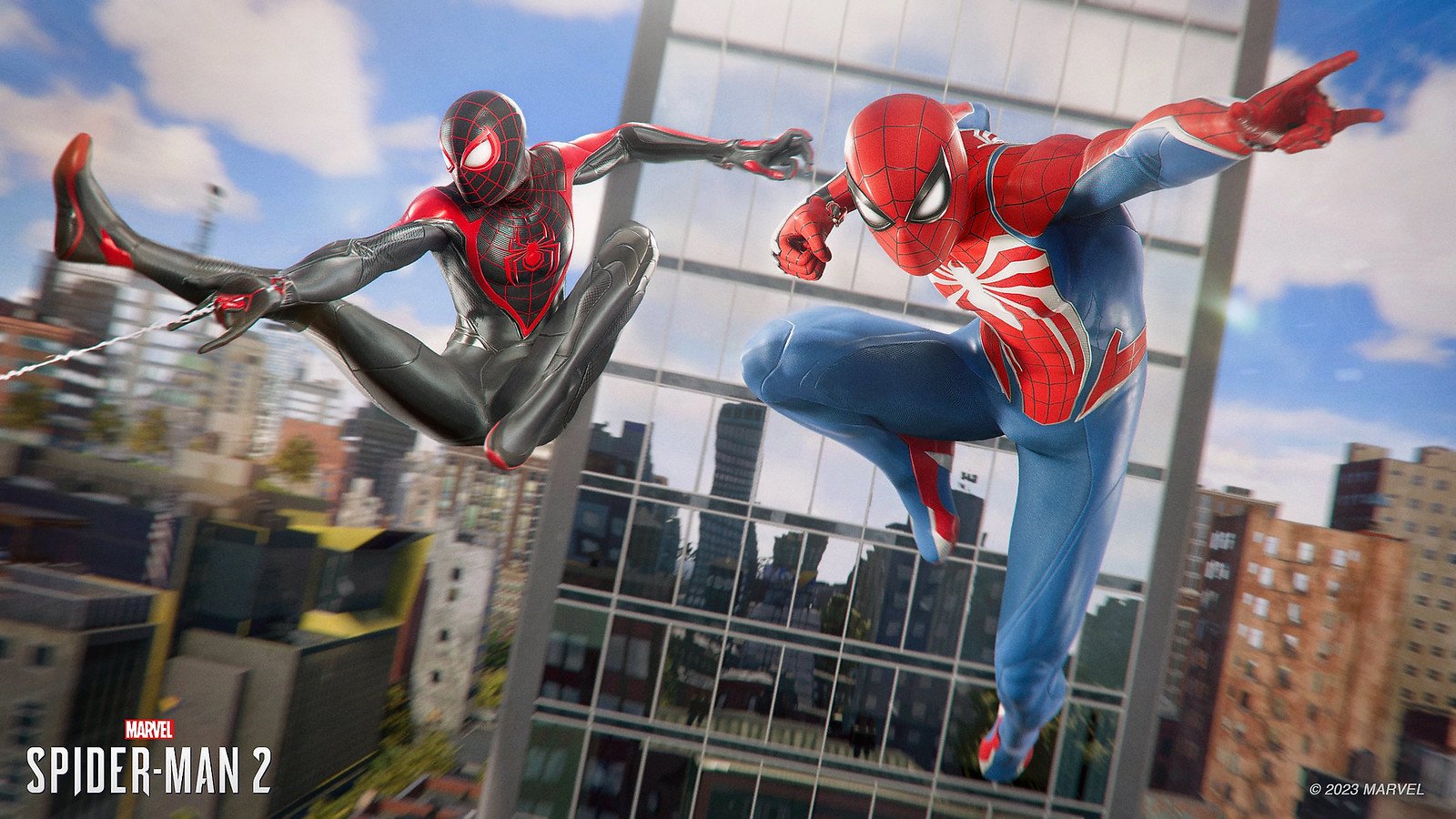
- Engagement ammo: Web-slinging across an expanded New York remains one of the smoothest traversal loops on PS5. Bringing that into the subscription ecosystem boosts daily active users and session length.
- Showcase for next-gen streaming & asset delivery: The game’s rapid fast travel and near‑instant character swaps between Peter and Miles are prime case studies in I/O optimization, streaming budgets, and memory management on bespoke hardware.
- Design lab for dual protagonists: The ability to alternate between two heroes in an open world—each with distinct ability trees and narrative beats—offers concrete reference material for teams exploring multi‑protagonist structures.
2. Supporting Cast: Solar Crown, Neva, Season
The surrounding lineup matters. Test Drive Unlimited Solar Crown pushes persistent online systems and vehicle handling; Neva and Season: A Letter to the Future represent the #indiegame side of the spectrum, foregrounding compact narrative design, stylized art direction, and tightly scoped mechanics.
This mix quietly reinforces Sony’s positioning: big-budget spectacle backed by prestige‑leaning indie‑scale experiences. For developers, it’s a snapshot of the tonal and mechanical bandwidth Sony wants its ecosystem to cover.
Design & Tech Intel: Why Spider-Man 2 Still Matters
With marvel's spider-man 2 now in subscription territory, its design choices will be dissected by a broader cross‑section of players and devs who may have skipped it at launch. Key areas to watch:
Dual-Protagonist Architecture
Spider-Man 2’s dual‑protagonist structure isn’t just narrative flavor. It’s a live example of:
- Save-state complexity: Maintaining progression, gadgets, and suits across two characters while keeping onboarding friction low.
- Mission routing: Balancing character-specific missions with shared story beats, without bloating the critical path.
- Player agency vs. authored pacing: Allowing free character swaps in the open world while locking in specific heroes for set‑piece missions.
For teams experimenting with multi‑hero or party‑based structures in open environments, this is a practical benchmark.
Traversal & Open-World Pacing
Spider-Man 2 continues to be a masterclass in traversal‑driven pacing:
- Traversal as reward: The act of movement is so inherently satisfying that the game can afford lighter side content density; the journey is the dopamine loop.
- Verticality and line-of-sight design: New York’s skyline is tuned to keep flow states intact—rare hard stops, generous swing anchors, and clear sightlines to objectives.
- Micro‑pacing via city events: Dynamic crimes and ambient encounters serve as low‑commitment engagement points, smoothing the gap between major beats.
For open-world #gamedev teams, this is a living reference on how to keep players moving without resorting purely to map clutter.
Next-Gen Streaming & Fast Travel
Spider-Man 2’s near‑instant fast travel is not just a party trick. It demonstrates:
- Aggressive streaming windows: Data is pulled in at the last possible moment, relying on PS5’s bandwidth to mask transitions.
- Diegetic UI integration: Fast travel animations and map interactions are short, readable, and tonally consistent, avoiding the sense of a hard mode switch.
As more studios target multi‑platform releases, Spider-Man 2 remains a useful contrast case: what you can do when you optimize around a single hardware profile.

Portfolio Context: Horizon’s Expansion vs. Spider-Man’s Trajectory
Parallel to the PS Plus news, community chatter has zeroed in on Sony’s franchise priorities. Horizon now counts six entries—core titles, VR experiments, and spin‑offs—while legacy IP like Killzone, Infamous, and Resistance sit dormant. Marvel’s Spider-Man occupies an interesting middle ground:
- It’s a proven commercial pillar, but licensed.
- It showcases Insomniac’s engine and tools, which are likely being re‑deployed across multiple projects.
- Its design language (fluid traversal, cinematic combat, dense but legible open worlds) has already influenced Sony’s broader first‑party playbook.
Bringing marvel's spider-man 2 to PS Plus suggests Sony is more interested in maximizing reach and ecosystem value than rushing another sequel announcement. It keeps the IP culturally present while freeing Insomniac to recalibrate—especially important after recent studio turbulence and shifting project priorities.
Strategic Takeaways for Devs
- Subscription placement is a second launch: For high‑budget titles, PS Plus/Game Pass‑style drops can re‑ignite discourse, feedback loops, and discovery well beyond the traditional sales curve.
- Dual‑hero structures are viable—but expensive: Spider-Man 2 shows the upside in variety and narrative texture, but also the systems overhead required to make it coherent.
- Traversal can be the core mechanic, not a utility: Treating movement as the primary pleasure loop can reduce reliance on content sprawl, a lesson that scales from AAA to #indiegame projects.
As marvel's spider-man 2 swings into more hands this month, expect a renewed wave of breakdowns, GDC talks, and postmortems that mine its tech and design decisions. For anyone building open worlds—or just trying to make moving through a space feel incredible—this is the moment to revisit Insomniac’s playbook with a critical, developer‑grade lens.
Sources and corrections
This archive entry does not have a verified article-source list. Images and video embeds alone are not evidence for every claim.
Found an error? Request a correction. Include the passage and a supporting source.