Automated archive / Mario Tennis Fever
Mario Tennis Fever Serves Big Fun, But Balance Issues Hit the Baseline
Mario Tennis Fever is serving up razor‑sharp tennis brawls on Switch 2, but early intel flags shaky balance and a thin single‑player spine. The Fever Rackets meta is already defining winners, losers, and a clear roadmap for the patches Nintendo now needs to deliver.
AI-generated summary. This archive article does not have a current recorded source check. Check linked sources before relying on details. Editorial policy
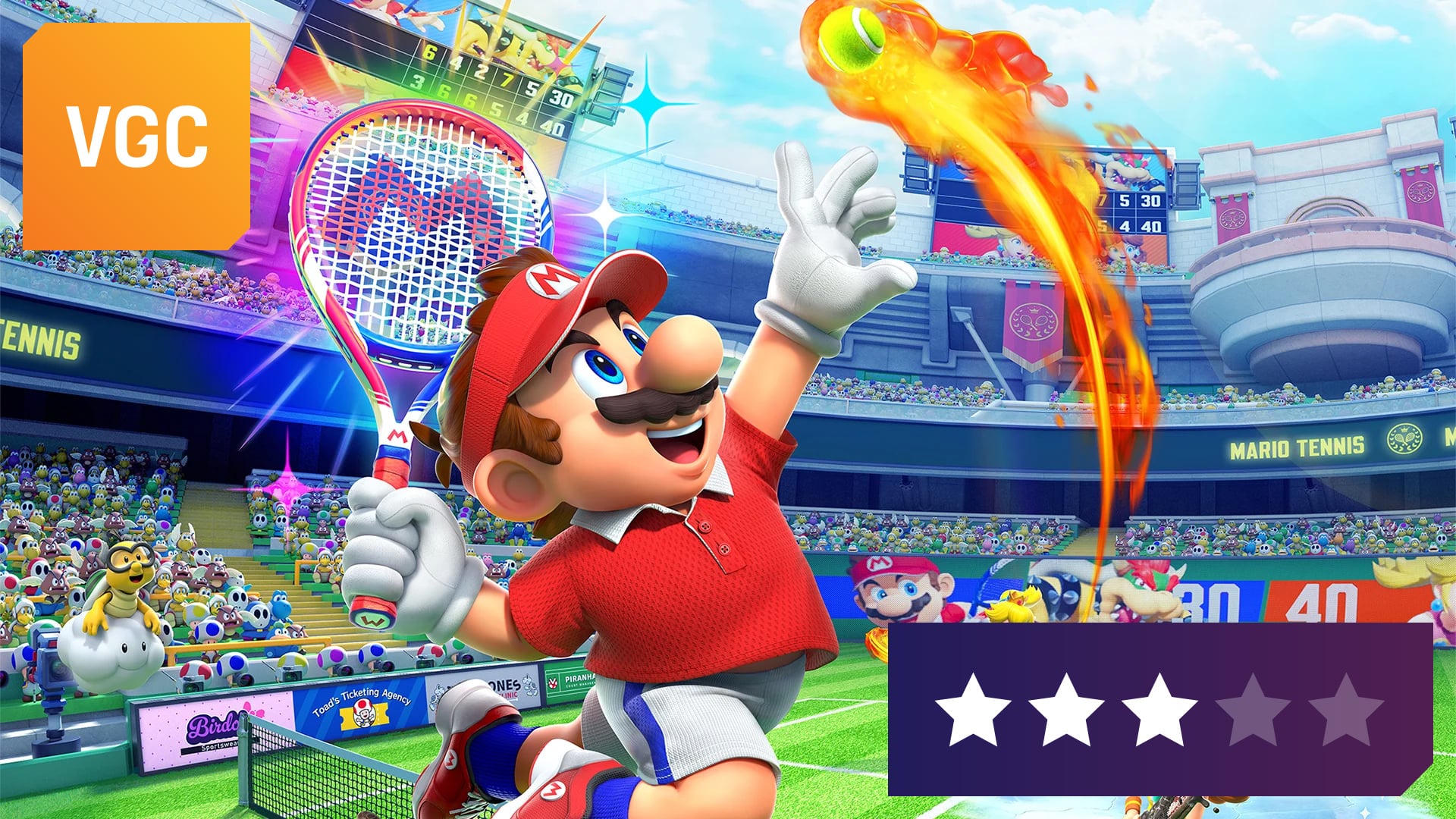
Sector Intelligence Report: Mario Tennis Fever (Week of Feb 10–16)
Nintendo’s Mario Tennis Fever is out rallying hard on Nintendo Switch 2, and this week’s signals paint a picture of a mechanically sharp, party-ready sports brawler that’s still wrestling with single‑player depth and balance. From field-test gameplay diagnostics to granular racket meta breakdowns, the conversation around mario tennis fever is shifting from “Is it fun?” to “Is it fair, and will it last?”
Field Test Debrief: Gameplay Feels Great, But the Meta’s Already Sweating
A live-court systems test from NVC’s recon unit this week stress‑tested rallies, power shots, and multiplayer chaos under real‑world conditions. The verdict: core feel is strong. Pacing lands in that sweet spot between arcade explosiveness and readable rally structure, with power shots and Fever moves acting as tempo spikes rather than constant noise.
Control responsiveness was a standout positive. Inputs read cleanly, even during scramble-heavy doubles play, and the Switch 2’s improved latency profile helps keeps high‑speed exchanges legible. From a #gamedev perspective, this suggests Nintendo’s animation cancel windows, buffer timings, and movement acceleration curves are tuned to support both casual pick‑up play and higher‑skill competitive routing.
Where things get shakier is gameplay balance. Early telemetry flags certain power-shot chains and Fever abilities as disproportionately rewarding aggressive baseline play, while defensive and net‑rush archetypes feel slightly under‑tuned. That doesn’t break the game as a party experience, but it does raise questions about long‑term meta health.
Watch: Transmitting Gameplay footage from the field: Official Mario Tennis Fever reveal trailer
This is exactly the kind of tuning pass that can be iterated post‑launch, but only if Nintendo treats mario tennis fever less like a one‑and‑done sports spin‑off and more like a live, data‑driven platform.
Racket Meta Watch: Fever Rackets as Soft Difficulty Settings
One of the most interesting design levers this week’s chatter drilled into is the Fever Rackets system. A detailed community ranking of the best and worst Fever Rackets frames them as de facto difficulty sliders that can quietly make or break your experience.
Power‑heavy rackets effectively turn basic shots into ballistic missiles, rewarding aggressive players who thrive on forcing errors. The trade‑off is often brutal: reduced control and tighter timing windows that can cause whiffs on what should be routine returns. Control‑oriented rackets flip the script, letting you carve angles and abuse court geometry, but sometimes at the cost of kill potential—great for outplaying humans, less satisfying against AI that doesn’t tilt.
Defensive builds, stacked with stamina and extended reach, support the “I return EVERYTHING” personality archetype. In design terms, these rackets are subtly extending rally length and surfacing more of the game’s systemic depth—shot selection, positioning, and Fever gauge management—at the cost of flashy, fast KOs.
The problem, as the ranking piece points out, is that some rackets over‑index on a single stat to the point of self‑sabotage. Hit like a truck, move like a fridge; or place shots like a surgeon, swing like a wet noodle. For #indiegame and #gamedev teams watching from the sidelines, mario tennis fever is a live case study in how gear systems can accidentally create trap builds that feel like the game is punishing experimentation.
Balanced Fever Rackets—those that maintain viable power, control, and Fever build‑up—are already emerging as the early meta standard. Unless Nintendo intervenes with targeted buffs/nerfs, expect the online ecosystem to converge on a narrow set of “correct” rackets, undercutting the perceived variety of the system.
Single-Player Campaign: The Weakest Link in an Otherwise Strong Chain
Two conflicting official transmissions this week—one calling Mario Tennis Fever a “smash hit on the court,” the other labeling it “a swing and a miss”—draw a clear line between multiplayer excellence and single‑player shortcomings.
On the plus side, dynamic courts and power‑up‑driven chaos seem to deliver exactly what a Mario sports title should: readable mayhem, clever environmental hazards, and enough visual feedback to keep mixed‑skill lobbies laughing rather than lost. In couch and online multiplayer, Fever is doing its job.
Where the ball drops is solo content. Reports flag a thin, sometimes repetitive single‑player mode that struggles to justify extended grind. The structural loop—earn rewards, unlock rackets, refine builds—lacks the narrative framing and escalating challenge curves that made earlier Mario sports campaigns unexpectedly sticky.
From a design perspective, this is a missed opportunity. With Fever Rackets, dynamic courts, and powerful special systems already in play, the scaffolding for a deep single‑player experience exists. What’s missing is a more authored progression spine: themed tournaments with unique rule mutations, AI archetypes that force you to swap rackets and playstyles, and long‑form goals that keep you testing the outer edges of the system rather than just farming easy wins.
Watch: Transmitting Gameplay footage from the field: Official Mario Tennis Fever gameplay deep dive
If Nintendo wants mario tennis fever to maintain relevance beyond party nights, a robust single‑player expansion—or at least a meaningful balance and progression update—should be high on the roadmap.
Sector Outlook: Strong Foundation, Dependent on Post‑Launch Stewardship
The sector consensus this week: Mario Tennis Fever has nailed the feel of the sportified brawler it wants to be, but its long‑term health hinges on live tuning and content support. The Fever Rackets system is powerful but volatile; the multiplayer loop is sticky, while solo players are already looking over the fence for deeper courts.
For developers and designers tracking the space, mario tennis fever is a live lab in:
- How gear‑driven stat systems can both empower and alienate players.
- How party‑game viability can coexist with competitive aspirations—if balance is actively managed.
- How single‑player scaffolding can elevate or undermine otherwise excellent mechanical design.
If Nintendo leans into telemetry, listens to early‑meta feedback, and treats this as a platform rather than a product, Mario Tennis Fever could evolve from “fun week‑end staple” to a flagship sports pillar on Switch 2. If not, expect it to settle into a familiar Mario sports pattern: brilliant fundamentals, short competitive half‑life.
Sources and corrections
This archive entry does not have a verified article-source list. Images and video embeds alone are not evidence for every claim.
Found an error? Request a correction. Include the passage and a supporting source.