Automated archive / Mario Tennis Fever
Mario Tennis Fever’s Racket Meta, Balance Wobbles, and Switch 2 Ambitions
Mario Tennis Fever is serving up a visually explosive, gear‑driven take on Mushroom Kingdom tennis, but its Fever Racket meta is already stressing gameplay balance and single‑player pacing. This week’s intelligence traces how one powerful gear system is defining difficulty, identity, and the game’s long‑term...
AI-generated summary. This archive article does not have a current recorded source check. Check linked sources before relying on details. Editorial policy
Sector Overview: Fever Pitch on Switch 2
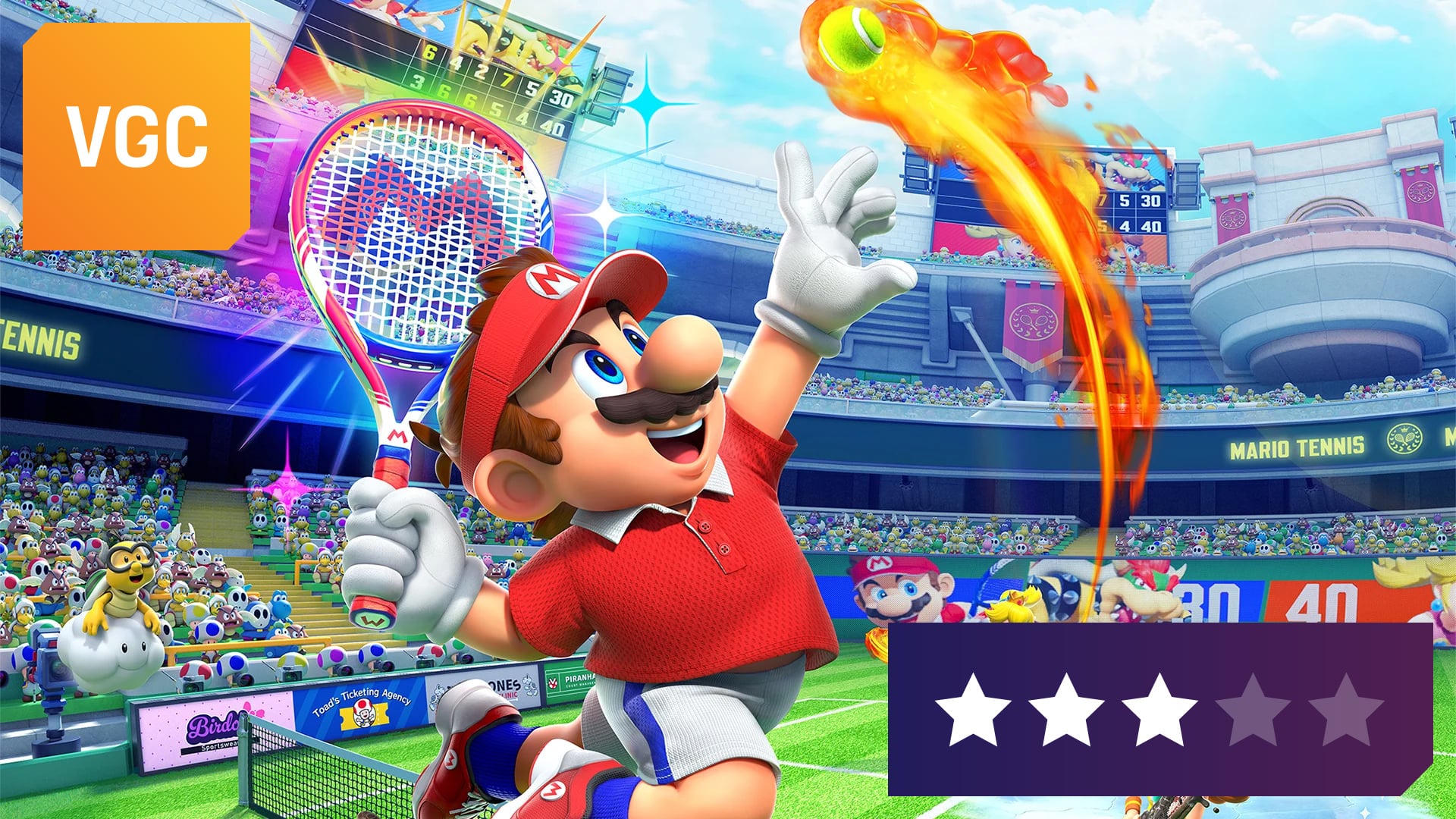
Mario Tennis Fever has hit Nintendo Switch 2 courts with the kind of loud, colorful confidence you’d expect from a flagship Mushroom Kingdom sports outing. Over the last week, the discourse has crystallized around three pressure points: the emerging Fever Racket meta, friction in single‑player design, and where this entry lands in the broader Mario sports hierarchy. For #gamedev watchers, the game is quickly becoming a live case study in how a legacy sports IP wrestles with modern progression systems, gear-driven balance, and long‑tail competitive viability.
The Racket Meta: Power Fantasy vs. Playable Tennis
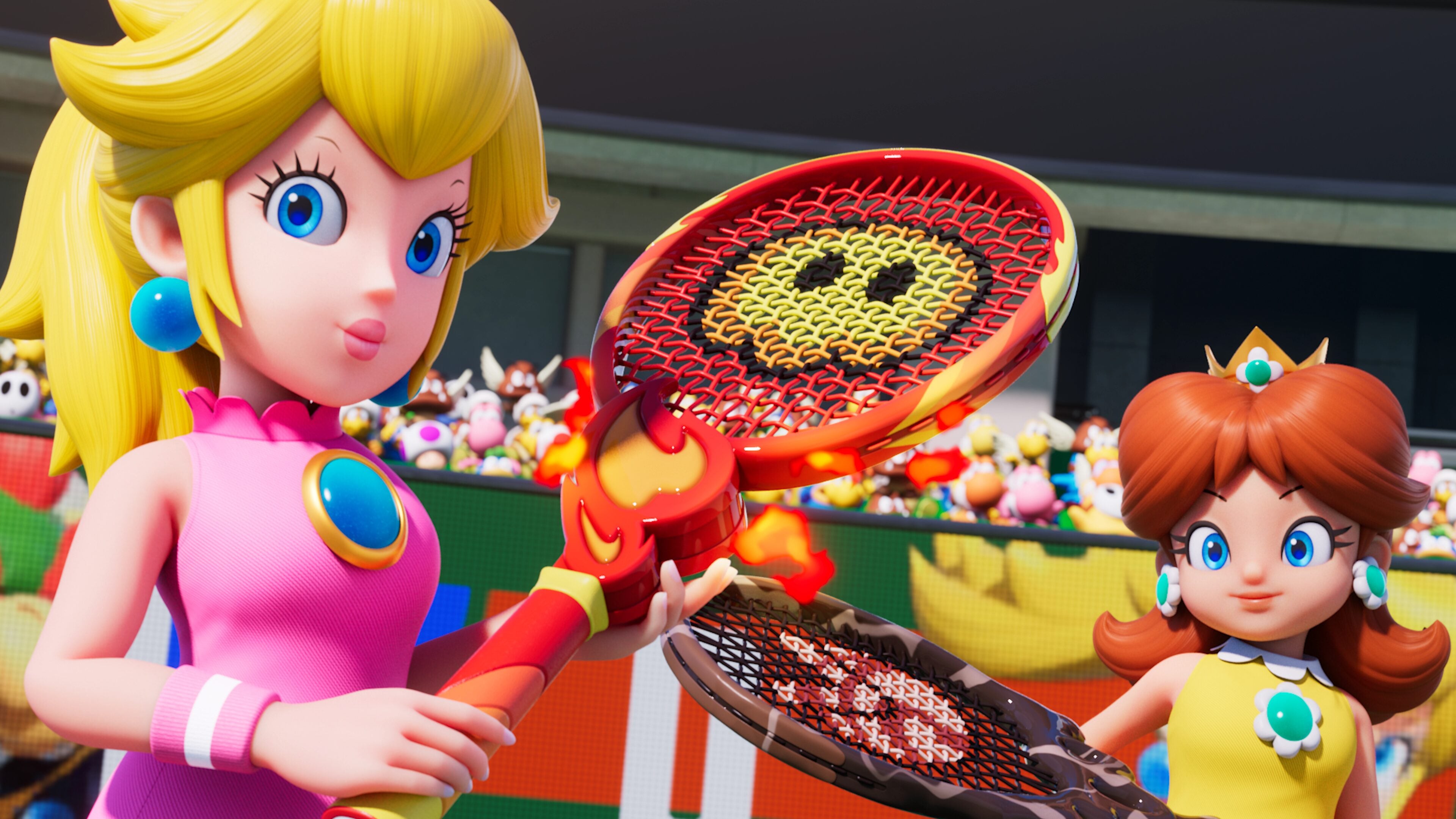
The standout signal this week is the deep dive into Fever Rackets — and it’s already clear that Mario Tennis Fever’s gear layer is more than cosmetic.
The community framing is blunt: your racket is your difficulty setting. Fever Rackets can:
- Supercharge power, turning basic shots into high‑velocity projectiles that delete reaction windows but often crater control.
- Lean into control and curve, enabling ankle‑breaking placements and net pressure at the cost of raw finishing power.
- Stack defensive stats like stamina and reach, catering to players whose identity is built around “I return EVERYTHING.”
From a systems design perspective, this is classic risk–reward tuning, but the report flags a growing imbalance: the best Fever Rackets are those that quietly hit a sweet spot across power, control, and special shot generation. They accelerate Fever meter gain, improve rally dominance, and convert mistakes into punish states.
The worst rackets, by contrast, over‑invest in a single fantasy archetype:
- Power builds that “hit like a truck but move like a fridge,” turning neutral into a coin flip.
- Precision builds with “the hitting power of a wet noodle,” rewarding skillful placement but lacking kill options.
For competitive design, this suggests a looming tier list problem: if only a narrow band of rackets offer viable stat harmony, the rest of the catalog risks becoming trap options. That’s a red flag for both long‑term balance and player onboarding.
Gameplay Balance & Single-Player: The Swing and the Miss
Two official transmissions this week paint a split picture. One frames Mario Tennis Fever as a “smash hit on the court,” emphasizing unique power‑ups and dynamic courts that “redefine tennis fun.” Another, more critical signal, calls it “a swing and a miss” for its single‑player mode and gameplay balance.
On the single‑player side, the implication is that content pacing and AI tuning aren’t fully aligned with the depth of the racket system. If your gear choice can effectively set your difficulty, but the campaign doesn’t clearly communicate or adapt to that, you invite frustration: players may feel punished for experimenting, or railroaded into a narrow set of meta‑approved builds.
Gameplay balance concerns appear tightly coupled to this. When one layer (rackets) can wildly skew outcomes, it puts pressure on every other system — court hazards, power‑ups, Fever moves, and even character archetypes. For #indiegame teams studying this from the sidelines, Mario Tennis Fever is a cautionary example of how a powerful gear system can overshadow otherwise well‑tuned core mechanics.
Watch: Transmitting Gameplay footage from the field: Mario Tennis Fever official gameplay trailer
The official gameplay footage reinforces this tension. Moment-to-moment rallies look spectacular, with Switch 2’s added horsepower supporting sharper animations, more expressive particles on Fever shots, and busier, reactive courts. But as the activity feed notes, the spectacle can mask underlying balance issues until players hit higher skill brackets or deeper campaign tiers.
Mario Sports Ecosystem: Where Fever Ranks in the Pantheon
One ranking breakdown this week slotted Mario Tennis Fever into the broader Mario sports legacy, comparing it against decades of chaotic courts and turbo‑charged stadiums. The consensus emerging from that analysis:
- Couch multiplayer is still the franchise’s backbone. Fever’s explosive power‑ups and wild court designs keep it firmly in “party game” territory when you’ve got friends on the sofa.
- In terms of mechanical depth, Fever’s racket system and Fever meter add layers that could, with tuning, support a more competitive ecosystem than some past entries.
- The game currently underperforms in solo longevity, where past titles sometimes leaned on more inventive campaign structures or challenge ladders.
For Nintendo, this places Mario Tennis Fever in an interesting spot in the Switch 2 portfolio: visually impressive, mechanically ambitious, but waiting on balance passes and content updates to fully justify its central role in the console’s early lifecycle.
Development Watch: What Comes Next?
While no explicit development update has been broadcast this week, the shape of the conversation makes the likely roadmap clear:
- Racket balancing passes to narrow the gap between top‑tier and trap options, especially in ranked and tournament play.
- Single‑player tuning, either via smarter AI scaling or clearer difficulty signaling tied to racket choice.
- Potential Fever Racket reworks that preserve fantasy (the truck, the surgeon, the wall) without hard‑locking players out of viable play at higher levels.
For #gamedev teams, Mario Tennis Fever is rapidly becoming a live reference project: how to build gear‑driven sports systems that feel expressive without breaking the game. For players, this week’s intel suggests a simple takeaway — your racket isn’t just fashion. In Mario Tennis Fever, it’s your identity, your MMR, and your margin for error, all wrapped around a single piece of kit.
Sources and corrections
This archive entry does not have a verified article-source list. Images and video embeds alone are not evidence for every claim.
Found an error? Request a correction. Include the passage and a supporting source.