Automated archive / Mario Tennis Fever
Mario Tennis Fever Serves Big, But Balance Questions Linger
Mario Tennis Fever has landed on Switch 2 with explosive multiplayer and a volatile Fever Rackets meta, but single-player depth and balance are already under scrutiny. This week’s sector intel breaks down the gear-driven court wars and the hardware strategy that could shape the game’s long-term future.
AI-generated summary. This archive article does not have a current recorded source check. Check linked sources before relying on details. Editorial policy
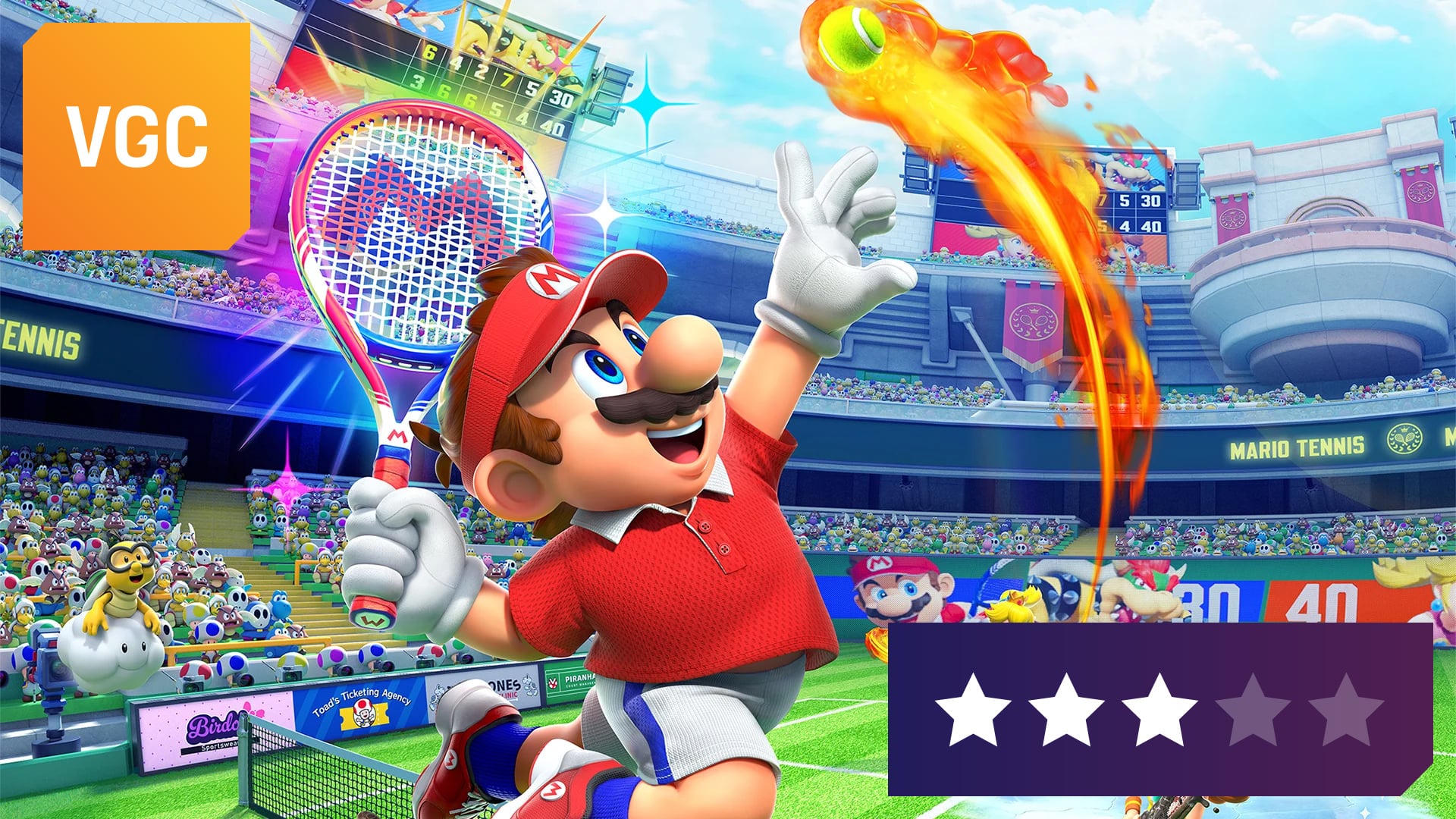
Sector Snapshot: Mario Tennis Fever’s First-Week Meta
Nintendo’s Mario Tennis Fever is already carving out its place in the Switch 2 launch window, but the signal from the last seven days is clear: this is a mechanically rich, visually loud sports brawler that’s still wrestling with single‑player depth and gameplay balance. From racket meta debates to hardware pipeline moves, the story around mario tennis fever is as much about long‑term support as it is about day-one spectacle.
The top-line read: multiplayer is landing as intended—chaotic, expressive, and perfect for couch rivalries—while solo players and competitive hopefuls are already stress‑testing the design and finding fault lines.
Racket Meta Watch: Fever Gear Is Your Real Difficulty Setting
The most granular chatter this week revolves around the Fever Rackets system, which is quickly emerging as the game’s true meta axis. As one breakdown put it, “your racket isn’t just cosmetic drip – it literally decides whether you’re a court god or emotional damage waiting to happen.”
Design-wise, Fever Rackets sit at the intersection of RPG loadout and sports sim tuning:
- Power‑centric rackets turn basic shots into near projectiles, ideal for aggressive baseline bullies. The tradeoff: shredded control windows and higher whiff risk on tight returns.
- Control and curve builds reward precision players who live for angle abuse and net mind games. These rackets lean into shot shaping and placement over raw speed.
- Defensive / stamina rackets extend rallies, boosting reach and recovery. They cater to the “I return EVERYTHING” archetype and can drag matches into psychological warfare.
The problem emerging in the data is over‑specialisation. The worst rackets over‑commit to a single stat—"hit like a truck but move like a fridge" or “surgical control with the power of a wet noodle.” From a #gamedev perspective, this signals a tuning pass opportunity: narrowing the outliers could keep expressive builds without letting a handful of rackets define the ranked meta.
For competitive and #indiegame designers watching from the sidelines, Fever Rackets are a live case study in risk-reward gear design: when does identity become imbalance, and how do you keep loadouts from quietly becoming difficulty sliders?
Gameplay Balance & Single-Player: A Swing and a Miss?
Watch: Transmitting Gameplay footage from the field: Official Mario Tennis Fever gameplay trailer
Two conflicting transmissions about Mario Tennis Fever surfaced this week: one framing it as a “smash hit on the court”, the other calling it “a swing and a miss” over single‑player and balance concerns. The truth sits between those poles.
What’s working:
- Dynamic courts and power‑ups are doing the heavy lifting for spectacle, keeping matches visually unpredictable and stream‑friendly.
- The Fever mechanic—charging and unleashing enhanced shots—fits neatly into modern action design, offering comeback potential and highlight‑reel moments.
- On Switch 2 hardware, the game appears tuned for fast reads and minimal input latency, critical for a twitchy, angle-heavy tennis title.
What’s under fire:
- Single-player structure is being flagged as thin: limited narrative framing and repetition risk undercutting long‑term solo engagement.
- Early balance impressions suggest certain characters plus specific Fever Rackets form over‑centralised loadouts, especially in mid‑level online play.
From a development update standpoint, this is fixable territory. A couple of balance patches, smarter AI difficulty curves, and more inventive solo challenge modes could dramatically shift sentiment without touching the core engine.
Hardware Context: Nintendo’s Memory Strategy and the Fever Long Game
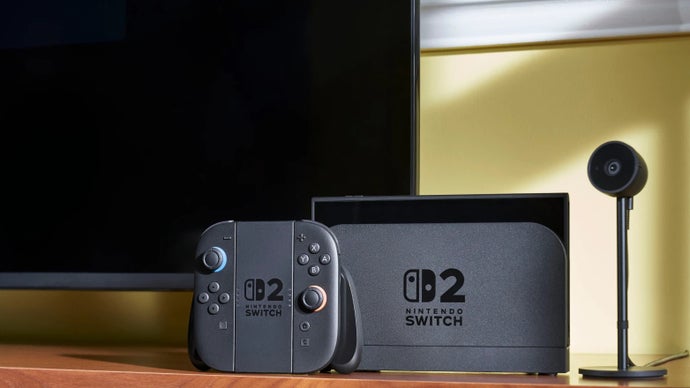
Running parallel to the game chatter is a quieter but important move: Nintendo reinforcing its memory supply chain to shield future hardware from price spikes. For Mario Tennis Fever, this has two strategic implications:
- Stable install base growth: Predictable Switch 2 pricing and availability means a healthier competitive ecosystem. The more players who can access the platform without cost shocks, the more viable long‑tail support (ranked ladders, seasonal events, and balance patches) becomes.
- Design headroom for future updates: Consistent memory specs reduce the risk that later content—new courts, expanded single‑player campaigns, or more complex Fever Rackets—will bump up against hardware constraints.
For #gamedev teams, Nintendo’s move is a reminder that hardware resilience is design scaffolding. When BOM volatility is under control, live‑ops roadmaps for titles like Mario Tennis Fever can be more ambitious and less reactive.
Outlook: What to Watch Next Week
As we move into the next reporting window, key watchpoints for mario tennis fever include:
- First balance patch notes: Do they address the extreme Fever Rackets and top-tier character/racket pairings?
- Single-player engagement metrics: Expect either a content roadmap or mode refresh if drop‑off becomes visible.
- Competitive community formation: If early tournaments standardise around a narrow set of builds, that’s a red flag for long‑term health.
Right now, Mario Tennis Fever is a high‑ceiling, high‑variance entry in the Mario sports canon: explosive fun in the right conditions, but one or two smart updates away from real systemic cohesion. The sector will be watching how quickly Nintendo iterates on the meta they’ve unleashed.
Sources and corrections
This archive entry does not have a verified article-source list. Images and video embeds alone are not evidence for every claim.
Found an error? Request a correction. Include the passage and a supporting source.