Automated archive / Mario Tennis Fever
Mario Tennis Fever Serves Big, But Balance Questions Linger
Mario Tennis Fever is serving up explosive, high-visibility tennis on Switch 2, but early intel flags serious concerns around racket balance and solo depth. This week’s signals turn Nintendo’s latest sports spin-off into a live case study in gear-driven game design.
AI-generated summary. This archive article does not have a current recorded source check. Check linked sources before relying on details. Editorial policy
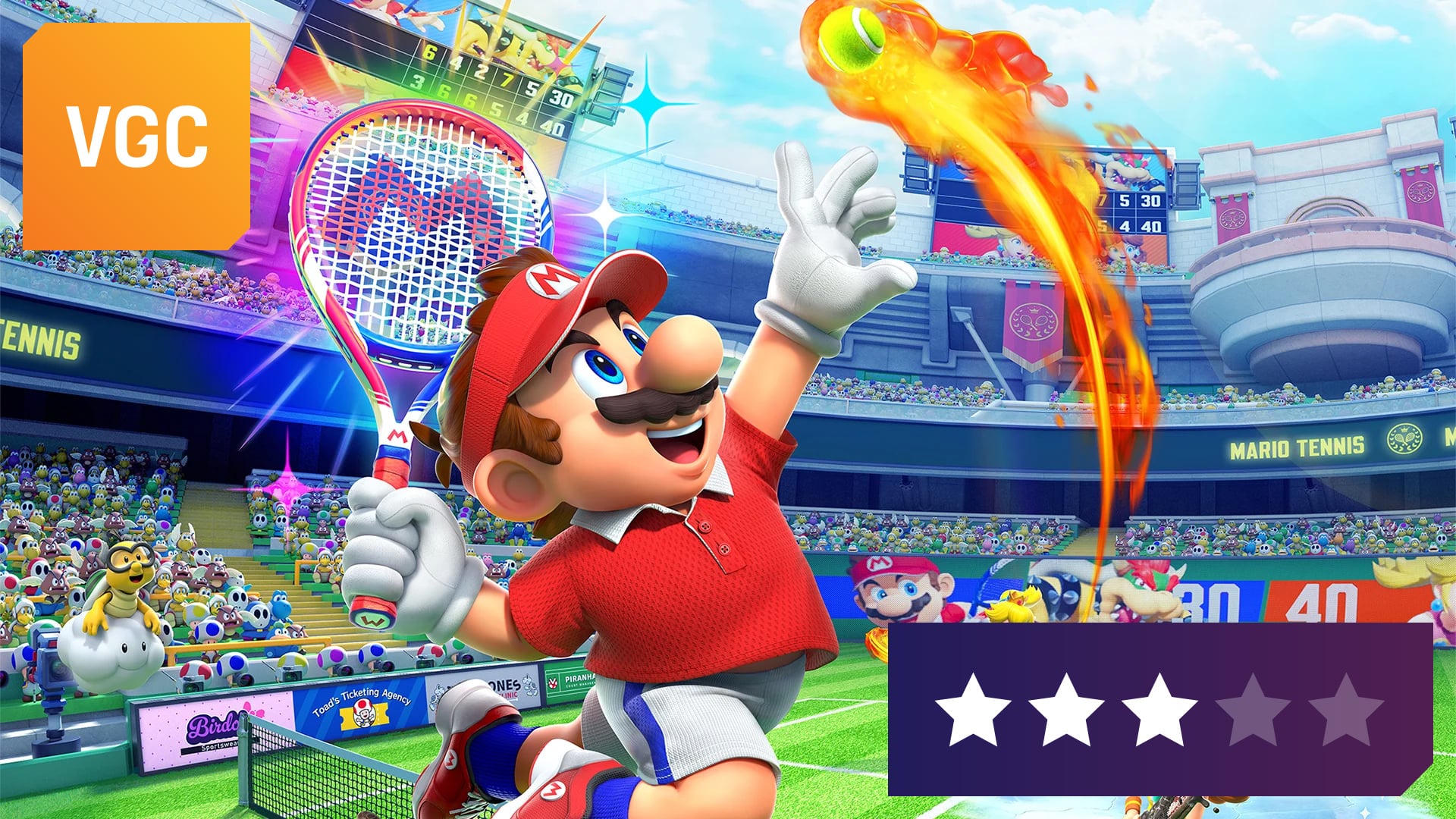
Sector Intelligence Report: Mario Tennis Fever (Week of Feb 12)
Nintendo’s Mario Tennis Fever is settling into its early live-service rhythm on Switch 2, and the signal from the last seven days paints a clear picture: the core court action is hitting hard, but balance, single-player depth, and gear design are already under the microscope. For #gamedev watchers and #indiegame teams studying big-N design trends, this week’s chatter around Fever Rackets, campaign structure, and competitive viability is especially instructive.
Field Status: A Smash Hit… With Caveats
Two official transmissions this week frame the conversation neatly:
- “Mario Tennis Fever: A Smash Hit on the Court” leans into the obvious strengths: vibrant presentation, dynamic courts, and power-up-driven chaos that keeps matches unpredictable.
- “Mario Tennis Fever: A Swing and a Miss?” pulls in the opposite direction, flagging single-player mode shortcomings and gameplay balance concerns—exactly the kind of friction that can stall a competitive ecosystem if left unchecked.
From a design perspective, this is a classic Nintendo sports arc: incredibly polished moment-to-moment play, but questions around long-term structure and fairness. For developers, Mario Tennis Fever is fast becoming a live case study in how aggressive gear systems can warp an otherwise tight arcade sports loop.
Racket Meta Watch: Fever Rackets as De-Facto Difficulty Setting
The standout intel this week is a detailed Fever Rackets guide doing the rounds, which essentially positions rackets as the game’s hidden difficulty slider.
Key takeaways from the guide:
- Rackets aren’t cosmetic – they directly impact power, control, curve, stamina, reach, and Fever charge rate.
- Some setups turn your basic shots into “ballistic missiles” but crater control, leading to frequent whiffs and high-risk, high-tilt gameplay.
- Others prioritize control and curve, empowering surgical placement and net play, at the cost of raw KO potential.
- Defensive builds crank up stamina and reach, enabling “I return EVERYTHING” playstyles that can drag rallies out and frustrate aggressive players.
The community consensus emerging from the guide:
- Best Fever Rackets: Those that balance power, control, and Fever generation, enabling reliable rallies, consistent pressure, and more frequent special-shot punishes.
- Worst Fever Rackets: Over-specialized gear that trades too much away—“hit like a truck but move like a fridge,” or “god-tier control with the hitting power of a wet noodle.”
For #gamedev teams, this is a pointed reminder: when you let equipment heavily skew core stats, you’re not just adding build diversity—you’re rewriting the game’s baseline difficulty and perceived fairness. The guide’s framing of racket choice as “your difficulty setting” is telling; players feel like they can accidentally opt into a miserable experience just by equipping the wrong item.
Gameplay Balance: Fun Chaos vs Competitive Clarity
Watch: Transmitting Gameplay footage from the field: Mario Tennis Fever launch trailer
The official Mario Tennis Fever trailer highlights what Nintendo wants the narrative to be: loud, high-velocity rallies, spectacular Fever shots, and courts that feel like playable theme parks. Underneath that spectacle, however, the intercepted report on “a swing and a miss” calls out two pressure points:
1. Single-Player Mode Stumbles
- Players are enjoying the moment-to-moment matches, but campaign structure appears thin, with limited narrative hooks or progression depth.
- For a title like this, a strong solo mode isn’t just content padding—it’s an onboarding funnel into the game’s more complex systems (Fever Rackets, advanced shot types, court hazards).
- Without that funnel, new players hit online play still experimenting with suboptimal rackets and half-understood mechanics, which amplifies frustration.
2. Gear-Driven Imbalance
- The racket meta is already polarizing: certain Fever Rackets are perceived as must-picks, while others feel like traps.
- Over-committed stat profiles are creating lopsided matchups, where player skill is overshadowed by gear choice.
- Balance issues in a gear-heavy sports title can quickly become a retention problem; if players feel they’ve “lost in the menu,” they churn.
For #indiegame studios looking to emulate this model, Mario Tennis Fever is a live warning: gear depth without robust matchmaking, tutorials, and clear readability can tilt your game from “competitive chaos” into “opaque frustration.”
Visual & UX Read: Courts, Clarity, and Spectator Value
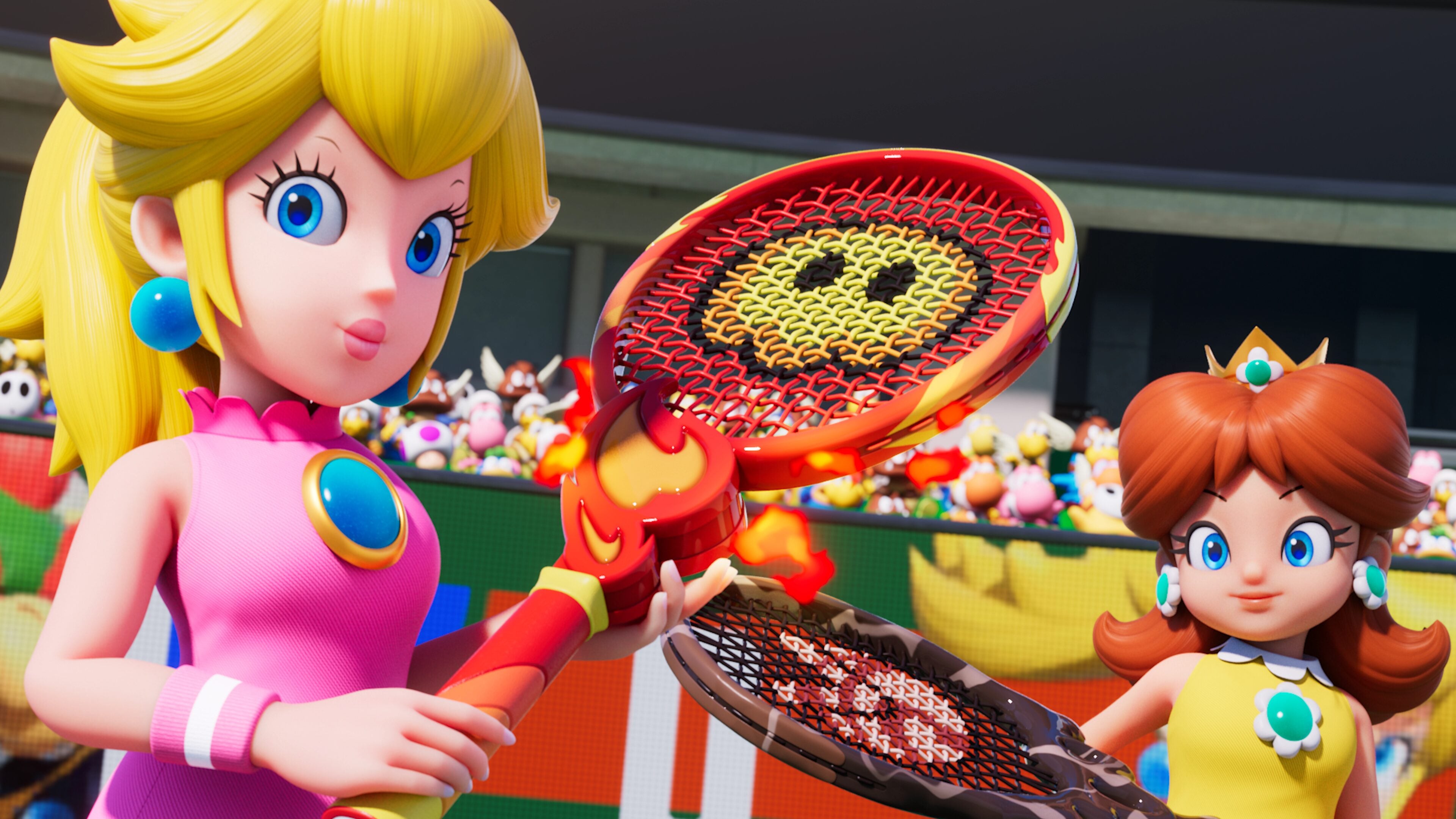
From the available screens and footage, Mario Tennis Fever continues Nintendo’s tradition of clean, readable character silhouettes and high-contrast ball tracking, even amidst particle-heavy Fever effects.
Observations relevant to developers:
- Dynamic courts add strong visual identity to each match, but they also risk becoming information noise if hazards and buffs aren’t clearly telegraphed.
- Fever shots and special animations are spectator-friendly, which bodes well for streaming and tournament potential—assuming the balance issues are addressed.
- The game’s bold UI and exaggerated hit feedback provide a solid template for teams trying to keep fast-paced sports action legible at a glance.
Forward-Looking: What Needs to Happen Next
From this week’s intel, the immediate opportunities for Nintendo’s next development update are clear:
- Racket Balance Pass: Normalize extreme stat outliers so more Fever Rackets are viable without feeling like hard-mode handicaps.
- Single-Player Expansion: Bolster solo content with richer progression, better tutorials, and clearer explanations of how rackets impact play.
- Meta Communication: Official guides or in-game recommendations could help steer players away from obvious trap builds.
For observers in the #gamedev and #indiegame space, Mario Tennis Fever is a valuable real-time case study in how equipment-centric design can supercharge or sabotage a competitive sports title. The fundamentals are strong; the question now is whether Nintendo can tune the meta before frustration outpaces the fun.
Sources and corrections
This archive entry does not have a verified article-source list. Images and video embeds alone are not evidence for every claim.
Found an error? Request a correction. Include the passage and a supporting source.