Automated archive / Mario Tennis Fever
Mario Tennis Fever: Court-Side Chaos on Switch 2 – Hype vs. Balance
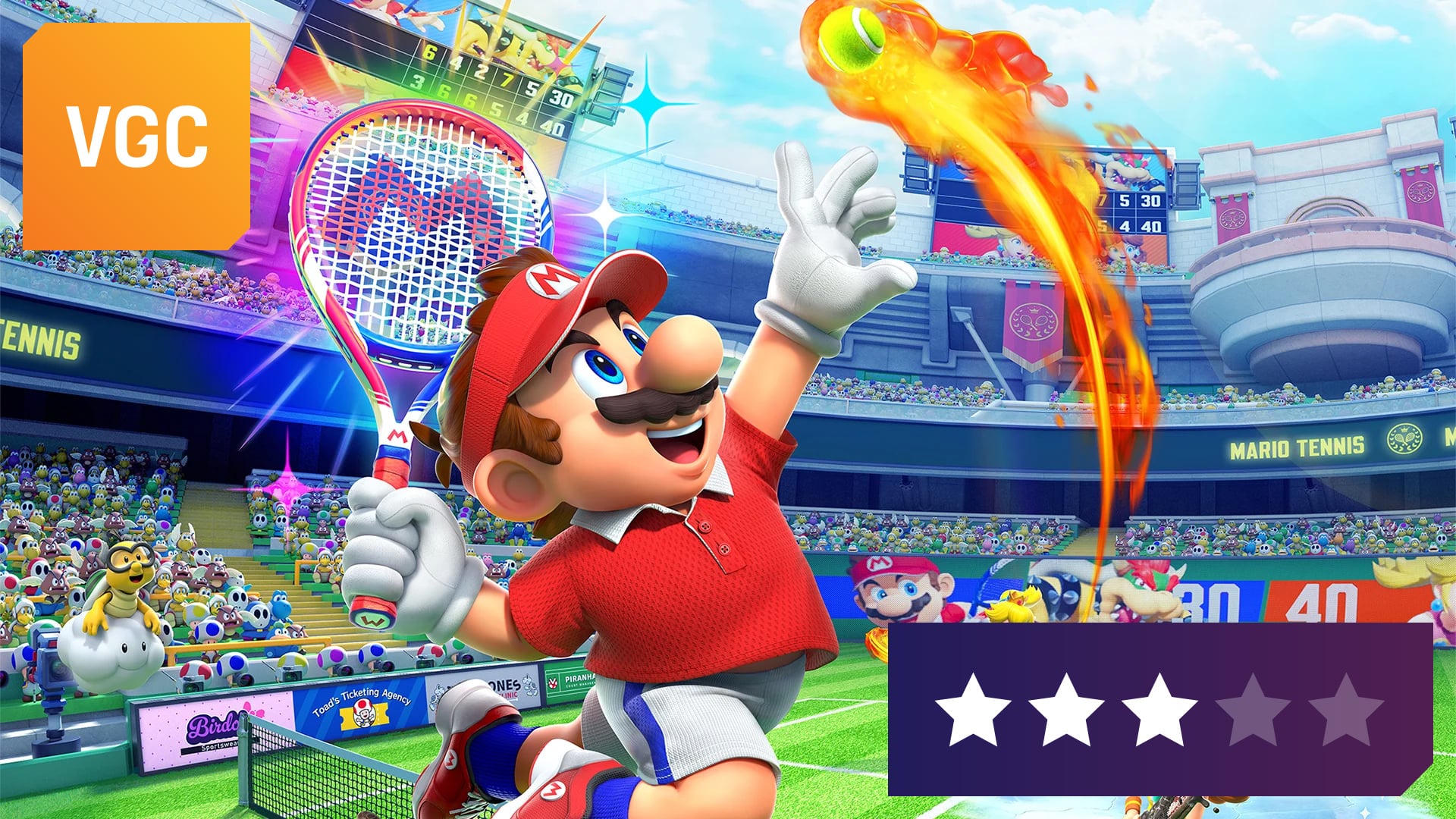
Mario Tennis Fever is serving up explosive arcade tennis on Switch 2, but early signals reveal cracks in single-player depth and gameplay balance. This week’s Sector Intelligence Report breaks down how Nintendo’s bold design swings are landing on the court.
AI-generated summary. This archive article does not have a current recorded source check. Check linked sources before relying on details. Editorial policy
Sector Intelligence Report: Mario Tennis Fever
Nintendo’s Mario Tennis Fever is spiking hard on the Nintendo Switch 2 courts, but this week’s signals paint a split-screen picture: dazzling arcade spectacle on one side, and a wobbling single-player and balance profile on the other. For players, critics, and #gamedev watchers, the game is rapidly becoming a case study in how far you can push spectacle before systemic cracks start to show.
A Smash Hit on the Court: Spectacle, Power-Ups, and Dynamic Design
The first major signal in the last 7 days frames Mario Tennis Fever as a “smash hit on the court”—and that tracks with what we’re seeing across social chatter and early impressions. The game leans hard into:
- High-velocity arcade pacing – Rallies are short, explosive, and filled with micro-moments for player expression.
- Unique power-ups – Instead of just stat boosts, power-ups appear tuned as tempo shifters: slowing the ball, warping trajectories, or forcing positional gambits.
- Dynamic courts – Courts morph mid-match, introducing hazards and layout changes that function almost like stage hazards in a fighter.
From a #gamedev perspective, this is Nintendo’s content-first philosophy in motion: the court is not a backdrop, it’s an active system. Each dynamic element effectively adds another axis to the game’s state space, increasing replayability but also the complexity of balance.
The Other Side of the Net: Single-Player and Balance Concerns
The second intercepted signal cuts through the early honeymoon: “A swing and a miss? … delivers thrills but stumbles with its single-player mode and gameplay balance.”
Two key fault lines are emerging:
1. Single-Player Structure Feels Undercooked
Reports suggest a familiar pattern: a flashy campaign wrapper with:
- Shallow progression loops (cosmetics and minor stat nudges rather than transformative unlocks).
- Limited narrative stakes – character banter and world flavor don’t fully capitalize on the Mario universe.
- Repetitive match templates – dynamic courts help, but mission design appears conservative, with few wild scenario-based objectives.
For #indiegame and #gamedev teams watching from the sidelines, this is a reminder that content variety ≠ mode depth. Even with strong core mechanics, solo players now expect roguelite-style meta-progression, branching challenges, or at least a compelling narrative spine.
2. Balance Under Pressure from Power-Ups
The same power-ups and dynamic courts that make Mario Tennis Fever electric in highlight reels are also where balance critiques are clustering:
- Swingy momentum – Certain power-ups appear too capable of flipping a game regardless of prior skill expression.
- Role compression – If one or two characters synergize best with the strongest power-ups, the roster risks feeling solved at higher levels.
- Court RNG vs. mastery – Dynamic elements can blur the line between outplayed and out-lucked, especially in competitive play.
This is a classic tension: push the arcade fantasy too far and you erode competitive trust; tune too conservatively and you lose the “Fever” in Mario Tennis Fever.
Development Update: What This Signals About Nintendo’s Design Priorities
While we don’t have a formal development update from Nintendo this week, the intercepted messaging itself is telling. The dual narrative—“thrilling adventure” vs. “swing and a miss”—suggests internal awareness of where the game is landing:
- The marketing emphasis on vibrant courts and power-ups telegraphs that spectacle is the primary pillar.
- The acknowledgement of single-player and balance stumbles hints that post-launch tuning and content drops are likely on the roadmap.
For the broader #gamedev community, Mario Tennis Fever is shaping up as a live case study in:
- How to design dynamic arenas that remain readable and fair.
- How to telegraph power-up impact so players feel responsible for outcomes, not victimized by chaos.
- How to layer solo progression on top of a fundamentally multiplayer-first ruleset.
Sector Outlook: Fever Pitch, but Needs Clinical Tuning
In its first observable week of activity, Mario Tennis Fever has clearly landed as a high-visibility showcase for Nintendo Switch 2’s arcade sports ambitions. The core loop is resonating: fast, loud, and visually dense. But the game’s long-term health will depend on whether Nintendo treats this as a live, evolving platform rather than a static package.
If future patches can:
- Deepen single-player structure,
- Smooth out power-up swinginess,
- And better align dynamic courts with competitive clarity,
then Mario Tennis Fever could progress from court-side chaos to enduring competitive staple. Until then, it remains one of 2026’s most fascinating—and instructive—sports titles to dissect for players, critics, and developers alike.
Sources and corrections
This archive entry does not have a verified article-source list. Images and video embeds alone are not evidence for every claim.
Found an error? Request a correction. Include the passage and a supporting source.