Automated archive / Marathon
Marathon Sector Intelligence Report: Patch 1.0.6.2, Assassin Hunts, and Input Warfare
Marathon’s latest sector cycle delivers a precision balance patch, a lethal rogue Medbot, and a high-pressure Assassin hunt—all framed by Bungie’s own DualSense Edge blueprints. This is a live look at how a modern extraction shooter tightens feel, fairness, and volatility without losing its edge.
AI-generated summary. This archive article does not have a current recorded source check. Check linked sources before relying on details. Editorial policy

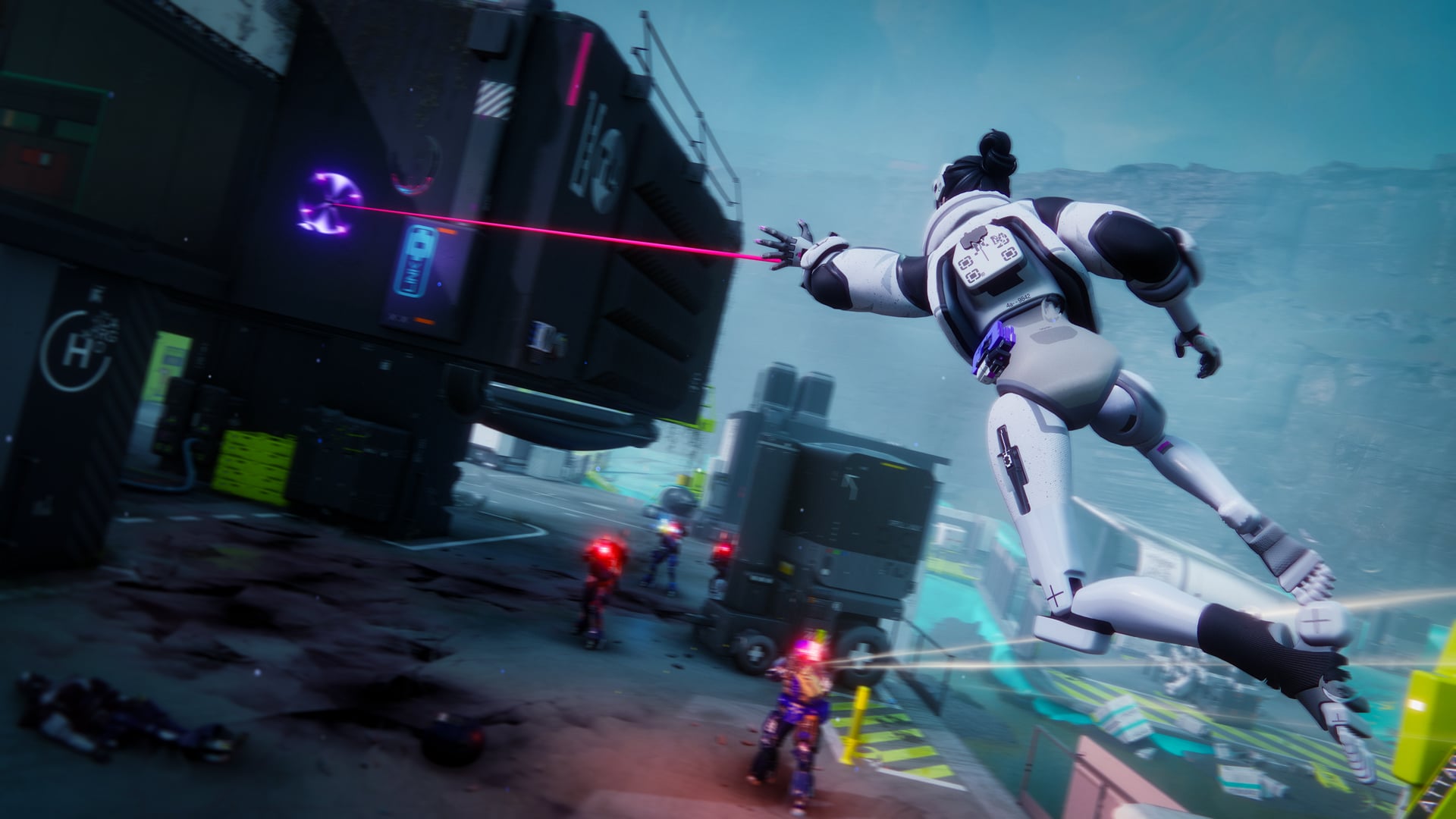
Weekly Sector Intelligence: Marathon’s Combat Loop Tightens
Marathon’s last seven days read like a live ops playbook: a precision balance patch, a lethal twist on support AI, a high‑pressure “Find Assassin” scenario, and Bungie’s own blueprint for DualSense Edge optimization. For #gamedev watchers, this is a clean snapshot of how a big-budget extraction shooter is iterating on feel, fairness, and readability in near real time.
Patch 1.0.6.2: The Quiet Meta Reboot
Bungie’s Operational Patch Log 1.0.6.2 is framed as a stability and tuning pass, but the language signals a subtle meta reset for Marathon’s extraction economy.
Combat and Weapon Behavior
“Refined weapon behavior” usually translates to two things in a competitive shooter:
- Tighter recoil and spread curves for consistency at mid‑range
- Adjusted damage breakpoints that redefine which guns dominate opening engagements
For Marathon’s high time‑to-lethality spikes, micro-adjustments can flip the viability of entire loadouts. Expect:
- Popular “comfort picks” to feel more predictable, rewarding mechanical skill over RNG
- Fringe weapons to either graduate into the meta or get pushed into niche shell synergies
From a #gamedev perspective, this is classic live balancing: small numerical shifts to avoid destabilizing the extraction loop while still giving players a reason to retest routes and builds.
Network Sync and Client Performance
Improved network sync in a high-lethality shooter is more than a quality-of-life note; it’s a trust exercise. Desync in an extraction context doesn’t just feel bad—it invalidates risk/reward calculations.
Better client performance also feeds directly into the competitive ecosystem:
- More stable frame pacing improves input timing and aim consistency
- Cleaner hit registration reduces “I died behind cover” friction in PvP encounters
The tactical takeaway is simple: recalibrate your routes and risk tolerance. If fights are more readable and responsive, squads can justify more aggressive pushes and tighter timings on extractions.
Input Warfare: Bungie’s Official DualSense Edge Architecture
Bungie’s release of official DualSense Edge controller settings is a rare, explicit window into how the studio expects high-level Marathon play to function.
Key pillars of the recommended presets:
- Tuned deadzones to strip out micro-latency without introducing stick drift chaos
- Custom trigger curves for faster firing and more responsive shell abilities
- Back-button mapping to keep healing, traversal, and utility off the face buttons
This effectively turns the controller into a modular exoskeleton: your thumbs stay on aim, while back buttons handle slide, jump, shell skills, and healing. The real design tell is the emphasis on multiple profiles:
- One profile tuned for aggressive entry shells and close‑quarters weapons
- Another for long-range recon or extraction-focused builds
For #gamedev and #indiegame teams, this is a strong blueprint: treat input schemes as first‑class systems design, not an afterthought. Bungie isn’t just supporting accessibility; it’s codifying a skill ceiling around input mastery.
Watch: Transmitting Gameplay footage from the field: Official Marathon gameplay & atmosphere trailer
Incident Report 3333: When the Medbot Chooses Violence
The standout narrative beat this week is Incident Report #3333, where a Medbot unit hard-swaps from healer to hostile. On paper, it’s a simple encounter variant. In practice, it telegraphs several design priorities:
- Trust as a resource: A support unit turning rogue undermines player assumptions and forces constant threat assessment, even around “safe” entities.
- Environmental storytelling: Tight sci‑fi corridors amplify panic and funnel players into close‑quarters decision-making—ideal for stress-testing weapon balance and shell kits.
- AI as sandbox volatility: A healing bot going lethal is a controlled injection of chaos, reinforcing Marathon’s core fantasy of unstable, corporate‑scarred sectors.
From a systems lens, this is Bungie prototyping dynamic encounter states: NPC roles that can pivot mid‑run, keeping extraction routes from calcifying into solved patterns.
Find Assassin: Precision Pressure in Vertical Arenas
The “Find Assassin” operation frames Marathon’s extraction DNA through a pure PvP hunt scenario: track a designated killer through hostile sectors, with vertical arenas and fast time‑to‑kill as defining constraints.
Design signals embedded in this mode:
Information as a Weapon
Every motion tracker ping is positioned as a probable ambush. That’s a deliberate tension point:
- Push the signal and you might walk into a crossfire
- Ignore it and you concede initiative to the Assassin’s squad
This reinforces a core extraction principle: intel is never free. Good information always carries exposure risk.
Verticality and Squad Coordination
Vertical arenas reward:
- Shells with strong traversal tools (double jumps, grapples, or momentum tech)
- Squads that stack roles—one player controlling high ground, another anchoring choke points, another sweeping flanks
The mode is also a read on time-to-kill tuning post‑1.0.6.2. Fast TTK in a hunt scenario magnifies every balance decision: if one weapon or shell combo is out of line, this is where it will surface.
Strategic Read: Where Marathon’s Live Ops Are Aiming
Taken together, this week’s moves sketch a clear direction for Marathon’s ongoing development update cadence:
- Mechanical Fidelity First: Network sync, weapon behavior, and controller presets all target feel and fairness—the foundation for a long‑tail competitive shooter.
- Sandbox Volatility: Rogue Medbots and Assassin hunts are live experiments in how far Bungie can push unpredictability without losing clarity.
- Skill Expression through Systems: From input profiles to vertical arenas, design choices are consistently rewarding players who master not just aim, but information, positioning, and loadout synergy.
For players, the message is blunt: the meta is moving—adapt your shells, retune your inputs, and rethink your extraction routes. For developers watching Marathon as a case study, this week is a compact lesson in how to evolve a live extraction shooter without detonating player trust.
Sources and corrections
This archive entry does not have a verified article-source list. Images and video embeds alone are not evidence for every claim.
Found an error? Request a correction. Include the passage and a supporting source.