Automated archive / Marathon
Marathon Sector Intelligence Report: Assassin Hunts, Faction Pressure, and Patch 1.0.6.1 Reshaping the Run
Marathon’s latest week of intel leans hard into Assassin Hunts, faction identity, and a surgical 1.0.6.1 patch that quietly reshapes the extraction meta. Bungie is using anomalies, telemetry, and vertical arenas as a live laboratory for lethal but readable PvP.
AI-generated summary. This archive article does not have a current recorded source check. Check linked sources before relying on details. Editorial policy

Weekly Sector Intelligence: Systems Under Live Fire
Bungie’s sci‑fi extraction shooter Marathon continues to harden its live ecosystem, with this week’s intel orbiting three pressure points: targeted Assassin Hunt scenarios, deeper faction identity, and a quietly pivotal 1.0.6.1 development update. For #gamedev watchers and competitive squads alike, the throughline is clear—Bungie is iterating fast on readability, lethality, and long‑tail social structure.
Target Acquisition: The Assassin Hunt as Design Lab
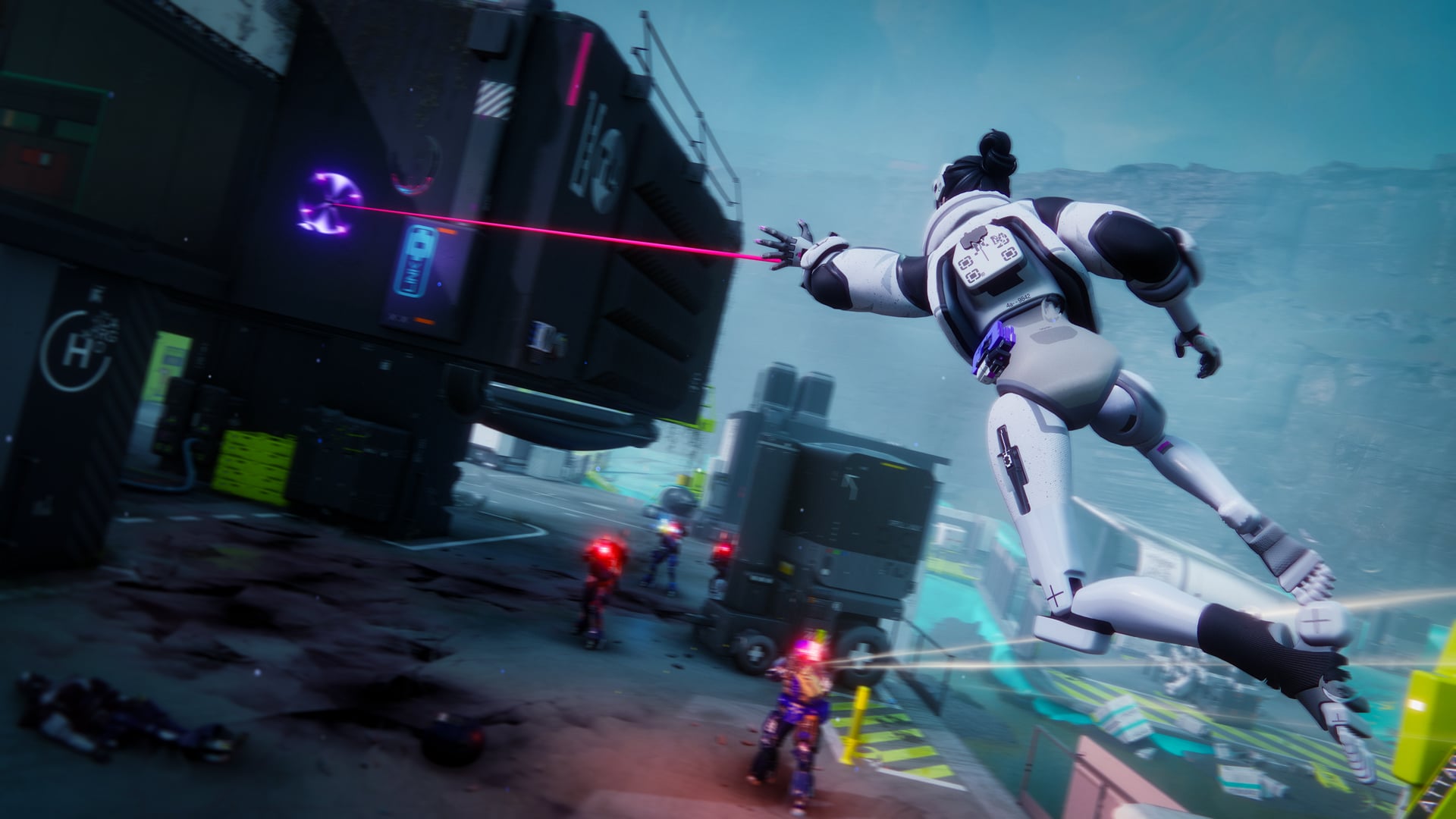
The latest “Find Assassin” briefing frames Marathon’s extraction loop through a more surgical lens. Squads operate as cybernetic Runners tracking a single designated killer across vertical arenas with fast time‑to‑kill (TTK) and constant motion‑tracker noise.
From a design standpoint, this mode stress‑tests:
1. Combat Readability vs. Lethality
- High TTK volatility means mispositioning is instantly punished. Bungie is effectively using Assassin scenarios to tune where the line sits between "tactical one‑shot" and "unreadable deletion."
- Motion tracker pings flagged as “probable ambush” suggest tight tuning of information bandwidth: how much intel a squad gets before a fight, and how quickly they can act on it.
2. Verticality and Squad Movement Doctrine
- The emphasis on vertical arenas pushes squads into layered sweeps instead of flat rotations.
- For #gamedev observers, this is Bungie validating 3D pathing AI in human form—testing how players naturally slice a space when the threat is singular but hyper‑lethal.
In short, the Assassin Hunt isn’t just a playlist; it’s a high‑signal sandbox for balancing extraction pacing, TTK, and intel surfaces before these parameters calcify into meta.
Allegiance Pressure: Factions as Social and Tactical Infrastructure
The “Which Faction Are You?” intel drop reinforces that Marathon’s meta won’t be defined solely by weapon DPS charts. Locking into a faction—with its own identity and implied doctrine—creates:
1. Persistent Social Gravity
- Faction choice becomes a soft MMR overlay: who you queue with, who you trust for extraction, and who you expect to betray you in contested zones.
- Over time, expect community‑driven roles to emerge—"this faction plays hyper‑aggro," "this one min‑maxes extraction efficiency." That’s free systemic storytelling.
2. Tactical Doctrine by Branding
- Even without explicit buffs, naming, visuals, and VO can push players toward specific behaviors (flankers vs. anchors, information control vs. brute force).
- For #indiegame developers watching Marathon, this is a blueprint on how to use aesthetic identity to shape player behavior without overloading the ruleset.
Factions here are less about stat bonuses and more about long‑form identity scaffolding—the social fabric that keeps an extraction shooter sticky past the first wipe.
Patch 1.0.6.1: Quiet Numbers, Loud Implications
The deployment of Update 1.0.6.1 is framed as a stability and tuning pass, but the language—"more stable extractions," "cleaner combat telemetry"—is telling.
1. Network Reliability as Core Fantasy
- "Stable extractions" isn’t just netcode; it’s fantasy alignment. When your entire game loop is about getting out alive with loot, a dropped packet is lore‑breaking.
- Bungie is clearly prioritizing low‑variance extractions so that loss feels like a tactical failure, not a technical one.
2. Telemetry‑Driven Balance
- "Cleaner combat telemetry" points to a heavy reliance on data‑driven iteration—tracking weapon usage, time‑to‑kill curves, and positional heatmaps.
- The recommendation to re‑evaluate loadouts and routes post‑patch is a subtle admission: knobs have moved enough that the meta is expected to shift.
For #gamedev teams, this is a case study in live‑ops messaging: communicate that a patch is surgical, but explicitly tell players to re‑audit their builds.
Incident Report #1302: Lightning as a Systems Audit
The dual‑lightning anomaly documented in Incident Report #1302 isn’t framed as a cinematic moment—it’s a systems validation drill.
Key takeaways:
- Two consecutive "lightning‑class" events in one PvP engagement give Bungie a rare, dense cluster of edge‑case data on burst damage, visibility, and audio‑visual signaling.
- The focus on weapon telemetry, movement vectors, and squad comms shows Marathon’s designers treating spectacular moments as test harnesses for combat clarity.
Rather than spinning this as a trailer beat, the team is using it as a peek behind the curtain: a reminder that Marathon’s most dramatic plays are also QA goldmines for long‑term balance.
Weapon Modding: Modular Frames, Modular Meta
The Weapon Modding Protocols brief underlines Marathon’s commitment to a modular, PvP‑first arsenal:
- Modular frames and tactical attachments let players tune handling, recoil profiles, and engagement ranges to match their faction’s doctrine and preferred extraction routes.
- Visual customization is explicitly tied to readability—a critical detail. In a high‑TTK environment, silhouettes and muzzle flashes must communicate threat level instantly.
For designers, this is a live example of cosmetics and clarity coexisting: style that doesn’t sacrifice target identification.
Strategic Outlook: The Meta Is Still Wet Cement
Across Assassin Hunts, faction commitments, and 1.0.6.1’s under‑the‑hood tweaks, Marathon is still in its wet cement phase—but you can already see the shape of the foundation:
- High‑risk, high‑information extraction where motion trackers, faction intel, and vertical map knowledge are as critical as crosshair placement.
- A data‑obsessed live‑ops loop that turns anomalies and edge cases into balance levers.
- Social structures—via factions—that aim to keep squads and rivalries intact across seasons.
For players, the directive is simple: re‑test your routes, re‑fit your weapons, and treat every ping like a planned ambush. For #gamedev and #indiegame teams watching from the sidelines, Marathon is rapidly becoming a reference point in how to align network stability, systemic clarity, and social identity inside a brutally unforgiving extraction shooter.
Sources and corrections
This archive entry does not have a verified article-source list. Images and video embeds alone are not evidence for every claim.
Found an error? Request a correction. Include the passage and a supporting source.
Your games, in one place
Keep up with Marathon
Follow this game to collect its posts in your personal feed. Come back to see what you missed.