
Sector Intelligence Report: Factions, Lightning Anomalies, and Patch 1.0.6.1 Reshape Marathon’s Extraction Meta
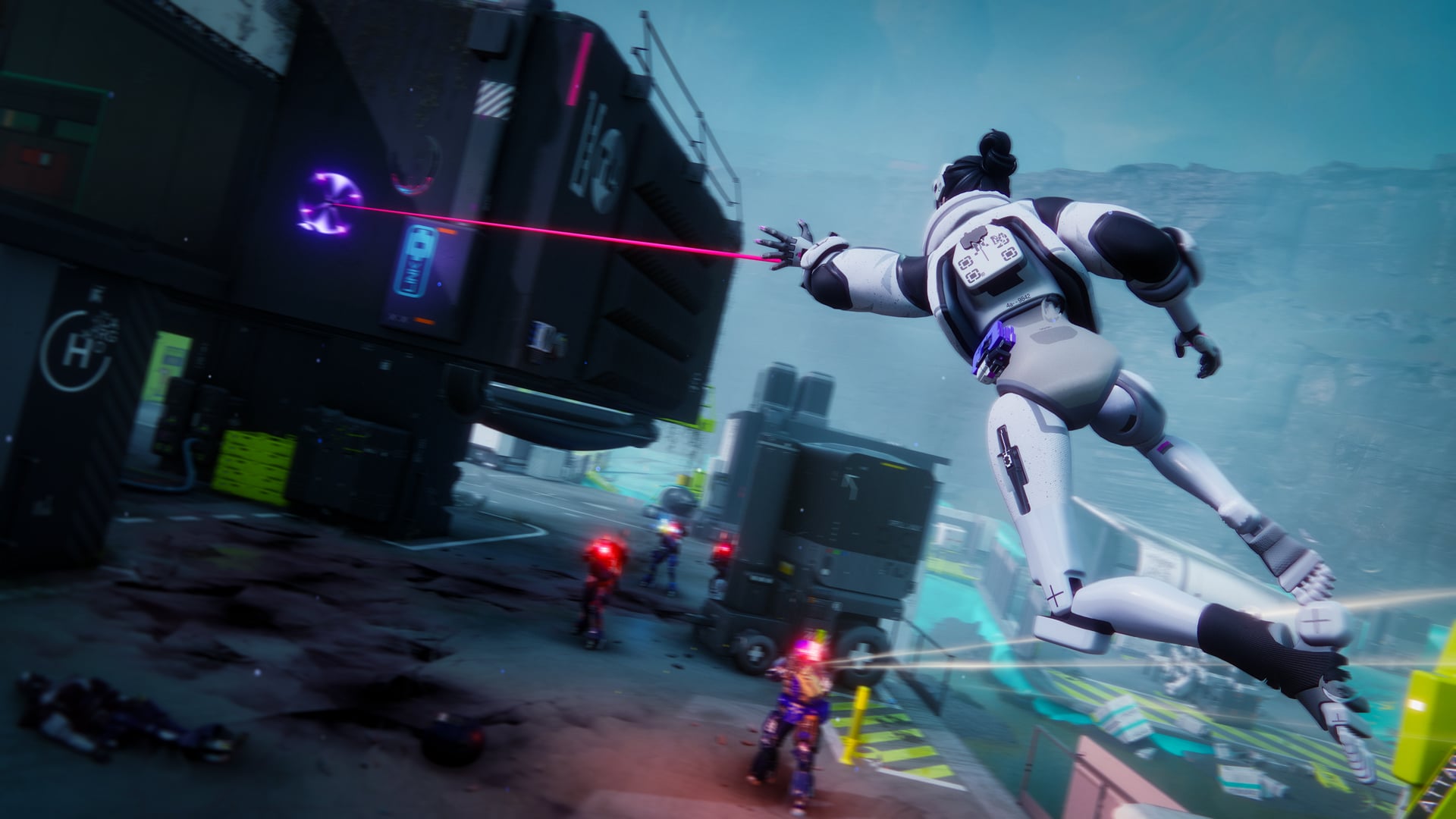
First-contact recon: Official Marathon key art
Weekly Sector Intelligence: Marathon’s Battlefield Keeps Moving
Faction Lock-In: Social Design as Core Systems Tech
-
Anchors Long-Term Identity
Persistent banners give players a reason to log back in, defend turf, and build narrative around their runs. In a genre where extraction loops risk feeling transactional, faction loyalty is Marathon’s bet on emotional stickiness. -
Shapes Squad Composition and Playstyle
Even if explicit stat bonuses are subtle or purely thematic, implied doctrines (aggressive pushers, info‑war recon, economic hoarders, etc.) will nudge players into role expectations. Expect squads to min‑max around faction synergies, not just weapon synergies. -
Drives Meta Beyond Gun Balance
Bungie’s own intel hints that meta will be driven as much by banner choice as weapon choice. That’s a strong statement: it suggests future patches may rebalance not only weapons and routes, but also how factions economically or socially interact in the wider simulation.
Patch 1.0.6.1: Live Ops Discipline in the Extraction Loop
- Stability First: Extraction shooters live or die on trust. A lost run due to desync or crash is far more damaging than a bad TTK. Prioritizing networking and stability buys Bungie long‑term goodwill.
- Telemetry as Design Fuel: “Cleaner combat telemetry” is a tell. Bungie isn’t just fixing issues; it’s improving the quality of the data that will drive future design calls. Better logs mean better balance down the line.
- Meta Reset Warning: The patch notes explicitly flag a shifted meta, advising players to re‑evaluate loadouts and routes. That’s Bungie using patch communication as a design tool: it primes the community to experiment rather than cling to pre‑patch comfort picks.
Incident Report #1302: Dual-Lightning and the Value of Anomalies
- Weapon telemetry
- Movement vectors
- Squad comms and coordination patterns
-
Edge Cases Are Design Gold
Rare anomalies—back‑to‑back lightning events—are used to stress‑test how readable and fair the combat loop feels under extreme conditions. -
Holistic Data Review
Telemetry is not just DPS charts; it’s positional data, timing, and communication flow. This is the kind of instrumentation many #gamedev teams aspire to but rarely surface publicly. -
Extraction Balance Is Still in Flux
The report reinforces that combat readability and extraction fairness are active areas of iteration, not solved problems. Expect further tuning that impacts how risky late‑game engagements feel.
Community Signal: Fanart as Aesthetic Recon
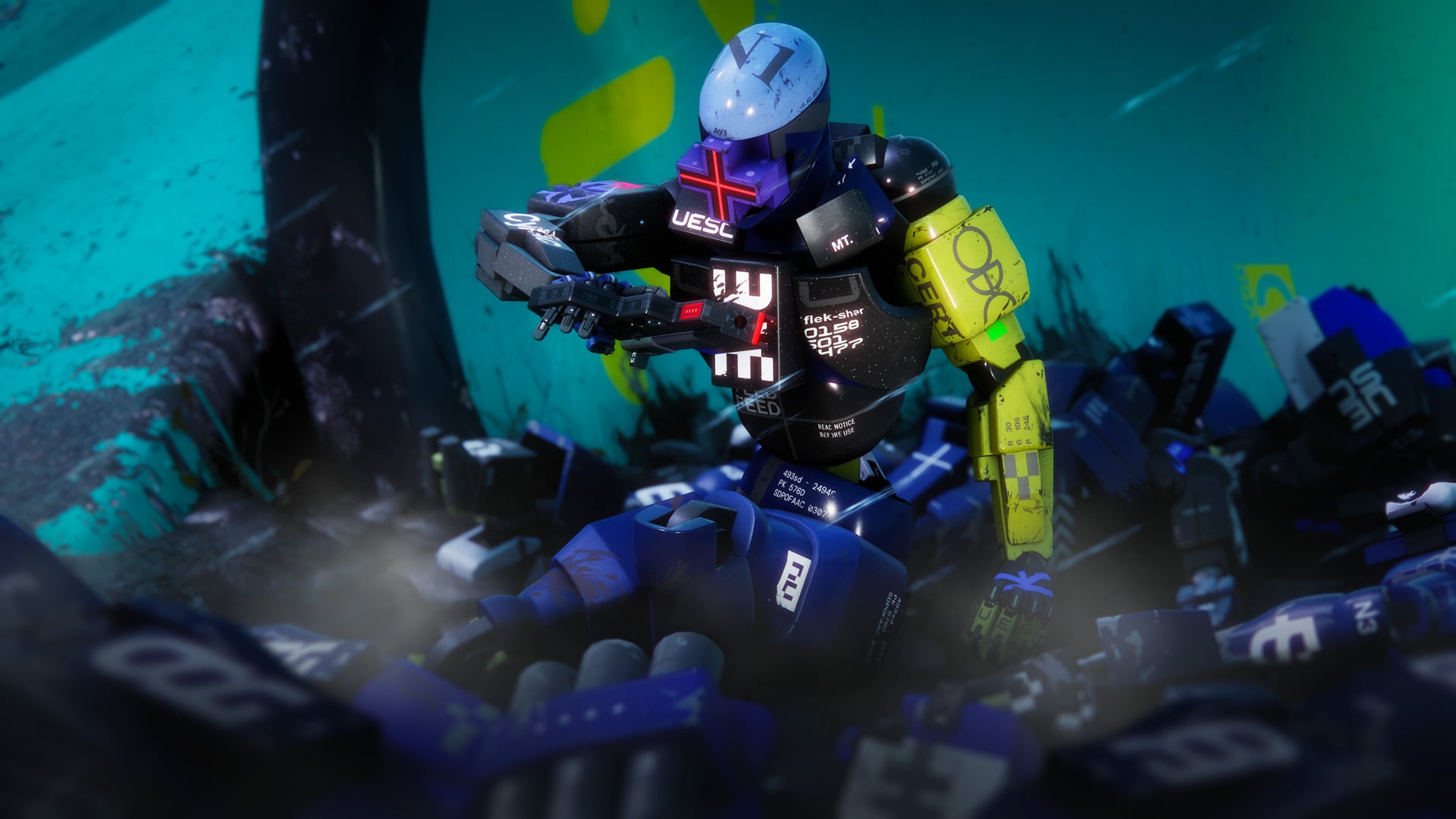
Unofficial recon: Community fanart expanding the Marathon visual field
- Keep the brand signal hot between major beats.
- Expand the aesthetic vocabulary of the universe, giving both devs and players new lenses on factions, runners, and environments.
- Provide soft validation that the visual direction resonates enough to inspire unpaid labor—always a useful proxy metric for long‑term IP health.
Strategic Outlook: Where the Meta Is Heading
- Faction‑First Identity: Expect future seasons and events to lean heavily into faction rivalry, territory control, and possibly faction‑specific contracts or extraction modifiers.
- Data‑Driven Tuning: With 1.0.6.1 improving telemetry and Incident Reports mining anomalies, balance changes will likely be highly data‑justified, even if not all rationale is publicly shared.
- Trust Through Transparency: From clinical patch language to system‑focused incident logs, Bungie is signaling a developer‑facing openness that other studios—and especially #indiegame teams—can study as a model for communicating complex systemic changes.
News, guides, posts, and game details in one place.
Open the game hub, then save it to build your personal Breach feed.
More images and video


Marathon
Dive into the atmospheric depths of Bungie's highly anticipated PvP 'extraction shooter', Marathon, powered by Unreal Engine 5. Players become cybernetically enhanced Runners exploring the perilous world of Tau Ceti IV, engaging in intense co-op firefights while hacking objectives and looting environments drenched in neon chaos. Experience a robust tactical loop where strategic planning and split-second decisions are key to surviving extraction runs in this sci-fi spectacle. Prepare yourself for a universe where death is merely data, and every mission brings new challenges in this adrenaline-pumping environment.
Open game page