Automated archive / Marathon
Marathon’s Mid-Season Systems Go Live-Fire
Bungie’s Marathon just ran a live-fire Mid-Season 1 systems audit, tightening its extraction loop while doubling down on cold corporate sci‑fi tone. This week’s intel shows a studio iterating in public—and a community already expanding the universe through tactical fanart.
AI-generated summary. This archive article does not have a current recorded source check. Check linked sources before relying on details. Editorial policy

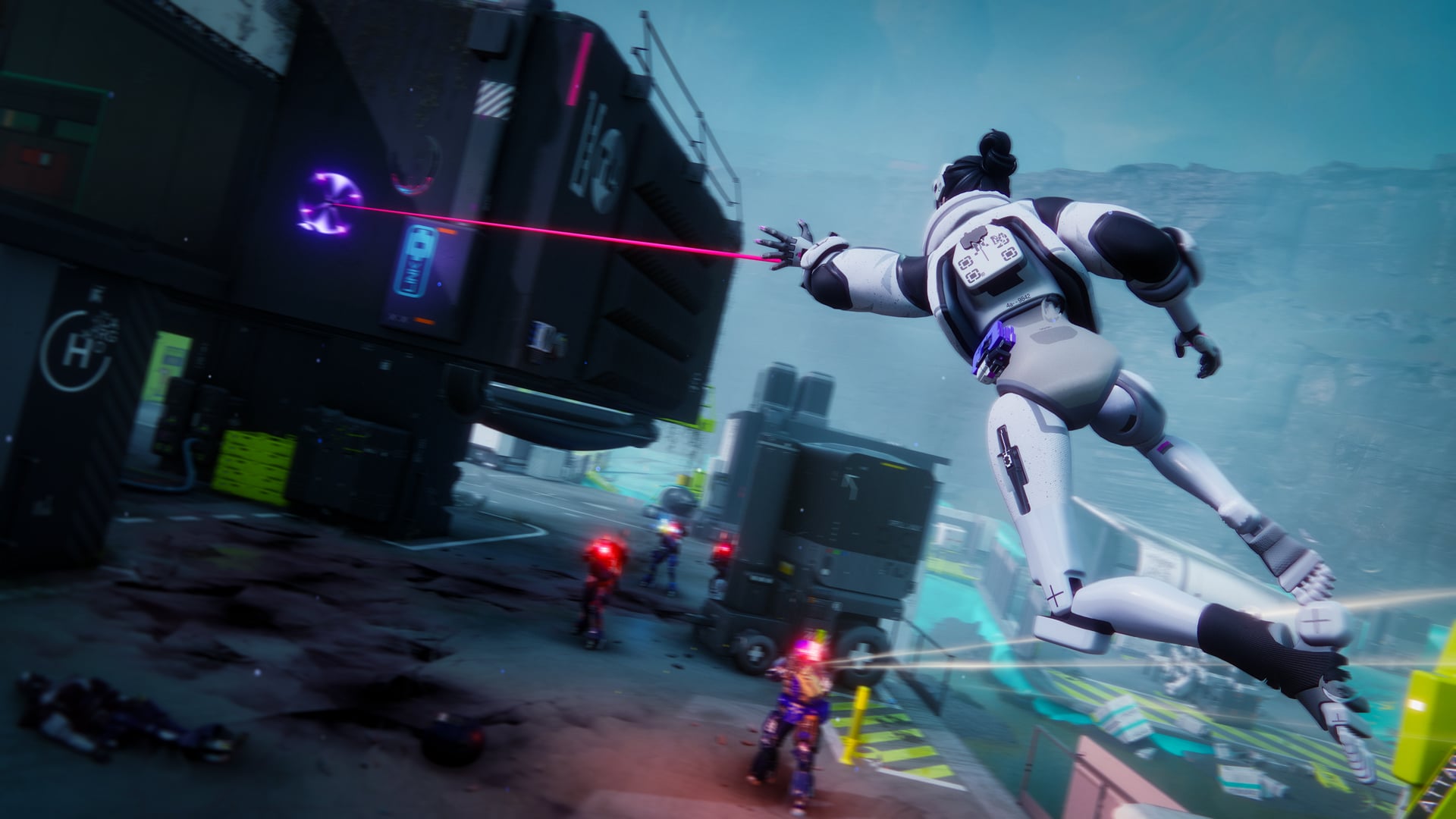
Weekly Sector Intelligence: Marathon Operational Status
Bungie’s marathon of live-service iteration is quietly accelerating. Over the last seven days, the studio has pushed a coordinated wave of cinematic signaling, competitive tuning notes, and a growing layer of community-driven visual fiction. This isn’t a lore week; it’s a systems-first snapshot of how the extraction-shooter is evolving in real time.
From a #gamedev lens, the picture is clear: Bungie is treating Mid-Season 1 as a live-fire lab, tightening the competitive loop while using high-end cinematics and fan output to keep the Tau Ceti IV theatre visually and tonally locked in.
Mid-Season 1: Competitive Loop Recalibrated
Two separate intel drops this week focused on the same core topic: Marathon’s Mid-Season 1 overview and its competitive recalibration.
The messaging frames this update as a systems scan, not a marketing beat. Bungie is surfacing:
- Evolving extraction ops – Drop-ins, data grabs, and exfiltration are being tuned as a single, coherent loop rather than isolated phases. Expect higher stakes around data handoffs and more contested exit lanes.
- New threat vectors – Environmental hazards and opposing PMCs are being repositioned to create more crossfire, more third-party pressure, and fewer “safe” routes for squads that try to coast.
- Refined competitive parameters – Time-to-kill, visibility, and encounter density are being recalibrated to keep the arenas high-lethality while improving readability for squad coordination.
From a design standpoint, this is Bungie acknowledging a classic extraction-shooter tension: push lethality too far and only the top 5% thrive; soften it too much and the genre’s identity dissolves. The Mid-Season 1 trailer is essentially a patch note in cinematic form, aimed at players who treat every deployment as a data point.
Watch: Transmitting Gameplay footage from the field: Marathon – Mid-Season 1 Overview Trailer
For #gamedev teams watching from the outside, this is a case study in live telemetry-driven balancing: Bungie is openly talking about player behavior metrics as the backbone of its tuning, not just internal theorycrafting.
Recon Shell Cinematic: Tone Lock, Not Feature Dump
Parallel to the systems brief, Bungie also deployed the Recon Shell cinematic, a tightly produced visual package that doubles as a tone bible for the game.
Key signals from the cinematic:
- Cold corporate sci-fi – The framing leans hard into PMCs, contracts, and data as currency. There’s no heroic framing; just ruthless competition between synthetic operatives.
- Neon-drenched ruins & corporate killboxes – Level fantasy is all about layered verticality, hard sightlines, and manufactured choke points. This reinforces Marathon’s identity as an extraction-first PvP arena, not a campaign shooter.
- Squad-based insertion – Every shot underlines coordinated team play: synchronized breaches, overlapping fields of fire, and fast exfil decisions.
Crucially, this cinematic avoids over-promising on mechanics. It’s a mood board, not a feature checklist. For players, it clarifies the emotional texture of a run: high-risk, high-surveillance, zero sentimentality. For other #indiegame and AA teams, it’s a reminder that tone can be iterated and reinforced just as aggressively as balance patches.
Systems Audit Over Lore Drop: Why That Matters
The language around the Mid-Season 1 communications is explicit: this is a systems audit, not a lore expansion. That choice is strategic.
- Player-facing clarity – By clearly labeling the update as mechanical, Bungie sets expectations: come here for tuning, not narrative.
- Competitive trust-building – High-skill PvP communities care about transparency. Talking openly about balance recalibrations and behavior metrics helps Marathon position itself alongside other data-driven competitive titles.
- Internal iteration loop – Publicly framing this as a recalibration cycle implicitly commits the studio to ongoing measurement and response. It tells the community, “This sandbox will not stay static.”
For the broader #gamedev ecosystem, Marathon is telegraphing a modern extraction-shooter philosophy: ship a hard-edged core, then iterate in public with surgical changes instead of sweeping overhauls.
Fanart Surge: Civilian Artists Expanding the Visual Canon
Outside official channels, the Marathon universe is getting a tactical recon fanart drop. Civilian artists are reinterpreting the game’s visual language—runners, shells, corporate sigils, and Tau Ceti skylines—and in doing so, expanding the aesthetic “intel pool.”
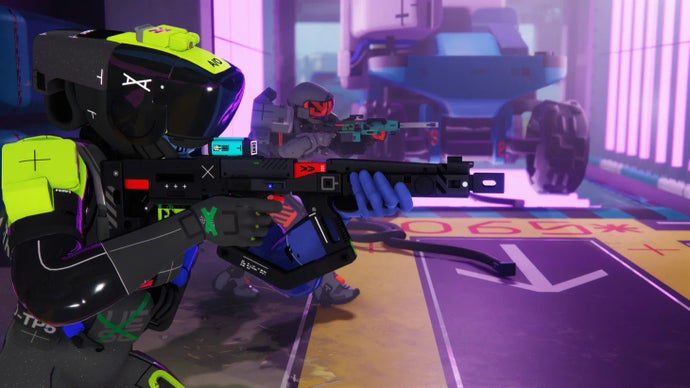
Why this matters from a sector intelligence perspective:
- Brand signal reinforcement – With the IP still in a relatively “dormant vector” compared to legacy Bungie hits, community art keeps Marathon in circulation on social feeds and discovery algorithms.
- Aesthetic feedback loop – Fanart acts as a mirror: what the community chooses to highlight—shell silhouettes, color palettes, faction iconography—tells Bungie what’s resonating.
- Low-cost universe expansion – Without shipping new lore, Bungie gets a slow-drip expansion of the universe’s perceived depth as artists fill in gaps and speculate on unseen corners of Tau Ceti IV.
For #indiegame teams with fewer resources, Marathon’s week shows how community visual culture can maintain momentum between major content drops, provided the core aesthetic is strong and distinct enough to inspire reinterpretation.
Strategic Takeaways for Developers and Runners
From this week’s intel, three clear strategic vectors emerge:
- Iterate in the open – Marathon’s Mid-Season 1 overview is a template for transparent, systems-focused communication. Don’t hide balance passes in silent patches; narrate them.
- Separate tone from mechanics – The Recon Shell cinematic proves you can push tone and worldbuilding without over-promising gameplay changes. Keep cinematic messaging honest and scoped.
- Leverage community optics – The fanart surge shows how a strong visual identity can keep a game in the conversation even when updates are primarily mechanical.
As Marathon’s extraction ecosystem continues to harden, expect future reports to track how these competitive recalibrations impact retention, squad behavior, and the broader perception of Bungie’s return to pure PvP arenas.
Sources and corrections
This archive entry does not have a verified article-source list. Images and video embeds alone are not evidence for every claim.
Found an error? Request a correction. Include the passage and a supporting source.
Your games, in one place
Keep up with Marathon
Follow this game to collect its posts in your personal feed. Come back to see what you missed.