Automated archive / Marathon
Marathon’s Server Slam, Perma-Bans, and the Rook Uprising
Bungie’s Marathon just ran a full-scale Server Slam, locked in a zero-tolerance anti-cheat doctrine, and surfaced granular intel on movement, consumables, and extraction. This week’s signals paint a clear picture of how the studio plans to launch—and protect—its sci-fi extraction shooter.
AI-generated summary. This archive article does not have a current recorded source check. Check linked sources before relying on details. Editorial policy

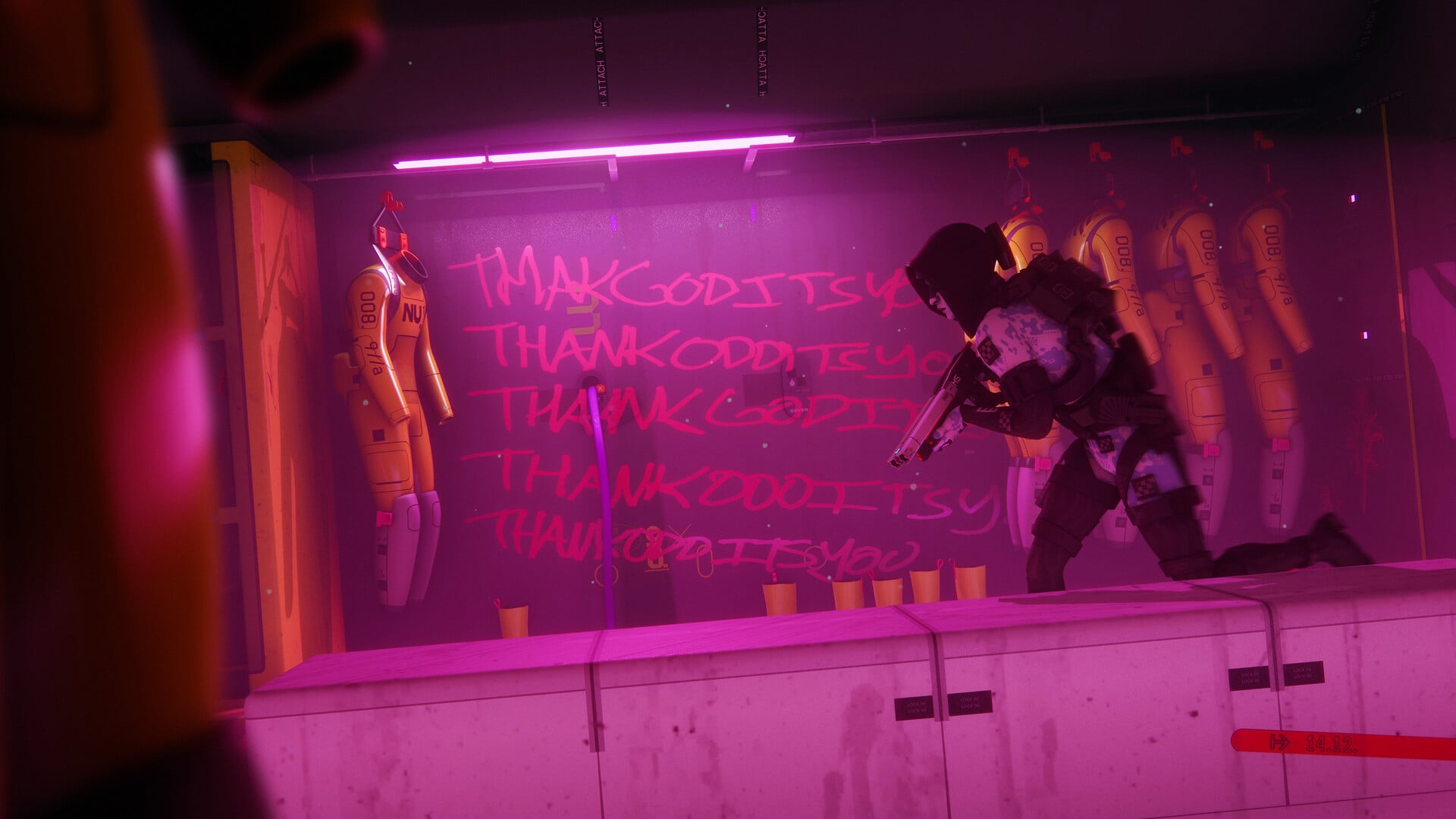
Sector Snapshot: Marathon’s Live-Service War Games Go Loud
Bungie’s Marathon just wrapped one of its most telling pre-launch weeks yet. Between a full-scale Server Slam, a hardline PermaLock anti-cheat doctrine, and fresh intel on traversal, consumables, and extraction tactics, the studio is quietly shaping one of the most data-driven launches in the live-service space. For #gamedev teams watching from the sidelines, this week reads like a public postmortem in slow motion.
This Sector Intelligence Report breaks down the moving parts: backend stress, security posture, player onboarding philosophy, and how all of it feeds into the studio’s long-term extraction shooter ambitions.
Infrastructure Under Fire: Inside Marathon’s Server Slam
The last seven days have effectively turned Marathon into a live lab. Bungie’s Server Slam wasn’t framed as a beta; it was positioned as a “stress ordinance test” designed to break things on purpose.
Objectives of the Slam
- Backend scalability: Pushing concurrency to expose bottlenecks in matchmaking, instance spin-up, and persistence.
- Netcode resilience: Tracking disconnects, desyncs, and cross-play sync issues under real player behavior, not sanitized QA scenarios.
- Combat data collection: Using real extraction runs to tune time-to-kill, ability uptime, and encounter density.
Bungie doubled down with a Day 2 telemetry briefing, shifting messaging from hype to metrics: every disconnect and exploit is “actionable intel” for launch. From a #gamedev standpoint, this is textbook telemetry-first development—publicly acknowledging instability as a necessary step rather than a PR liability.
Reward Protocol and Player Motivation
To keep the funnel healthy, the studio activated a Server Slam Reward Protocol: exclusive cosmetics and in-game rewards for participants once full service goes live. This is smart behavioral design—tying stress-test participation to persistent progression.
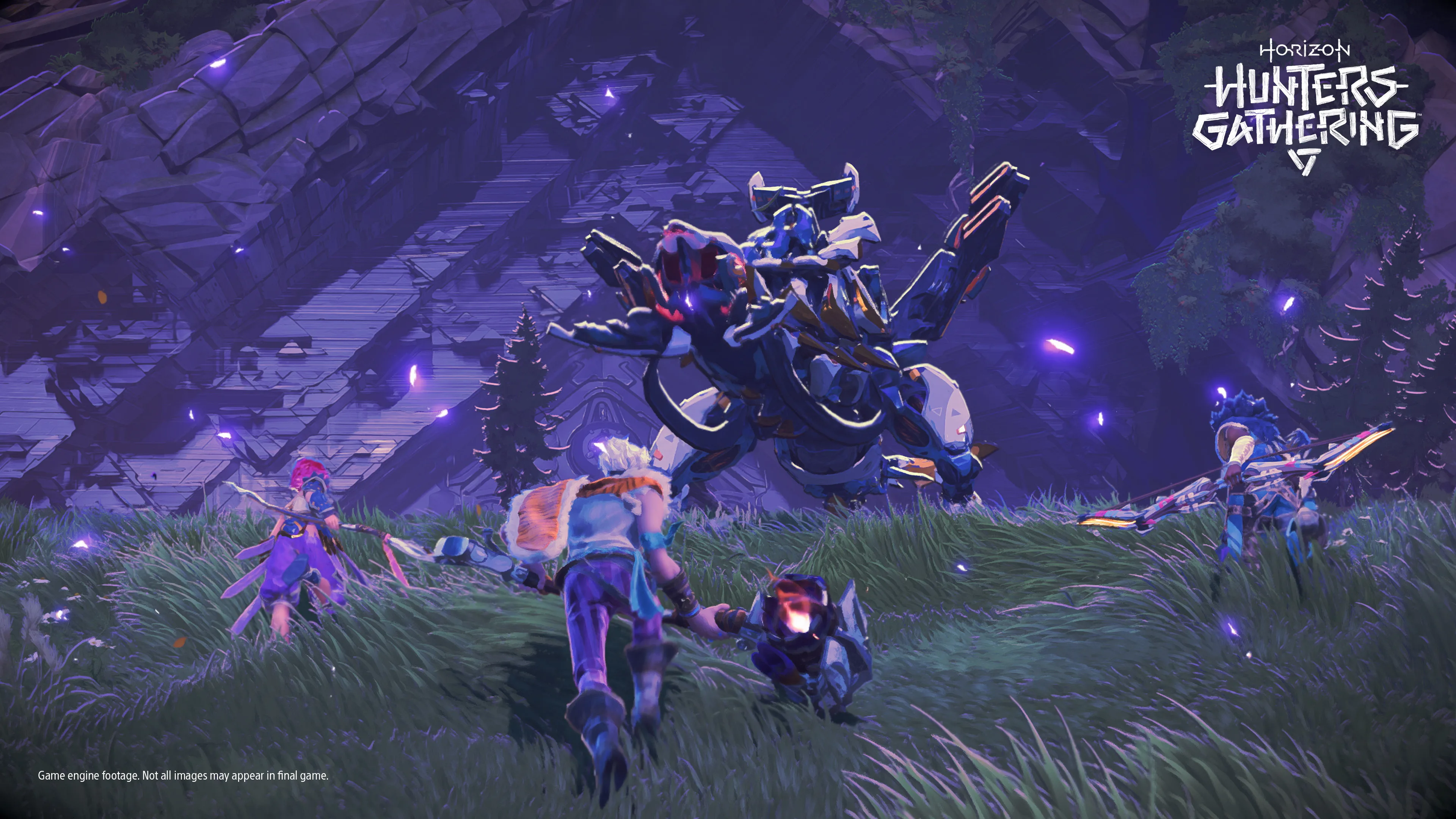
The Slam also synced with a PlayStation live-service stress-test weekend, where Marathon shared the stage with Horizon Hunters Gathering on PS5 and PC. That cross-title event effectively turned Sony’s ecosystem into a controlled live-service war game, giving Bungie platform-level concurrency data it couldn’t simulate alone.
Watch: Transmitting Gameplay footage from the field: Official Marathon Rook cinematic trailer
Security Doctrine: PermaLock and Server-Authoritative Design
The most controversial intel drop this week was Bungie’s “no second chances” anti-cheat stance: any detected cheating in Marathon results in a lifetime ban across the shard. No soft bans, no alt-account loopholes.
Why This Matters for a PvP Extraction Shooter
In an extraction shooter, every raid is high-stakes PvP-PvE with persistent rewards on the line. Cheaters don’t just ruin a match; they corrupt the game’s economic and social fabric. Bungie’s response is a full PermaLock Protocol built on:
- Server-authoritative netcode: Core logic runs on the server, minimizing client-side authority and common exploit vectors.
- Robust data validation: Every shot, movement, and inventory change is checked against rulesets before being committed.
- Security-first culture: Networking and security are being communicated as pillar features, not buried patch notes.
For #gamedev observers, this is a case study in designing around trust: you can’t sell persistent stakes if players don’t believe the field is fair. Bungie is betting that a harsh ban policy will be a net positive for long-term retention, even if it sparks short-term discourse.
Movement, Consumables, and the Shape of a Run
Beyond infrastructure and security, Bungie pushed out granular design intel on how a single Marathon run is meant to feel.
Traversal: Run Clips as a Design Lab
The “Run Clips: Time to Move” briefing highlighted sprint vectors, slides, ledge grabs, and momentum retention across tight sci-fi corridors. The intent is clear:
- High-readability movement for both players and spectators.
- Vertical arenas that reward map knowledge and team coordination.
- A traversal model that supports quick exfils, flanks, and repositioning rather than static lane duels.
This is extraction shooter design leaning closer to arena-shooter DNA than mil-sim plodding—good news for anyone who associates Bungie with kinetic, expressive movement.
Consumables as Tempo Levers
The consumables pipeline intel is equally telling. Ammo, heals, and utilities are framed as “strategic throughput, not background clutter.” That implies:
- Scarcity tuned to force decisions, not just punish bad aim.
- Items acting as tempo levers—a medkit or ammo cache can flip whether a squad pushes, holds, or extracts.
- An economy where resource control is as important as mechanical skill.
For #indiegame and #gamedev teams building PvP ecosystems, this is a strong reminder: consumables are not UI filler; they’re macro design knobs that define pacing and power curves.
Extraction Philosophy: Runner’s Guide and Exfil Doctrine
The Runner’s Guide #754: Exfil to Escape briefing reads less like a tutorial and more like a field manual. The focus is on:
- Identifying escape vectors early in a run.
- Fireteam spacing so one wipe doesn’t cascade into a full squad loss.
- Managing extraction under sustained pressure, where third-party squads and PvE threats can collapse on evac points.
This reinforces Marathon’s identity as a data heist simulator: you’re not just looting and shooting, you’re planning your exit from the moment you drop. That mindset shift—from “win the fight” to “survive the operation”—is what differentiates extraction shooters from traditional arena PvP.
The Rook Factor and Collector’s Edition Signaling
On the narrative and commercial front, Bungie deployed the Rook cinematic and confirmed a Collector’s Edition targeting players who still want physical artifacts in a digital-first landscape.
Rook as a Narrative Anchor
Rook is framed as a high-value operative in an AI-haunted conflict zone: precision strikes, vertical mobility, squad synchronization, and corporate intrigue. That framing does double duty:
- Gives players a heroic lens into the wider Marathon universe.
- Provides marketing with a recognizable silhouette for trailers, key art, and cross-media.
Collector’s Edition as Confidence Play
The Collector’s Edition logistics briefing hints at:
- Hardware-grade packaging and display-ready components.
- In-universe lore inserts that deepen the setting beyond the matches themselves.
From a market-read perspective, a high-spec physical edition is a confidence signal: Bungie and its partners are willing to invest in premium shelf space, not just digital SKUs.
Sector Outlook: What This Week Signals for Launch
Taken together, this week’s moves frame Marathon as a live-service project built on three pillars:
- Data-first development: Server Slam telemetry and targeted briefings on movement, consumables, and exfil show a willingness to iterate in public.
- Security as a feature: PermaLock bans and server-authoritative design are being marketed as core value props, not invisible backend work.
- High-stakes identity: From Rook’s cinematic framing to extraction-centric guides, Marathon is leaning hard into the idea that every run is a high-risk, high-yield operation.
For players, that means the next phase of testing will likely bring tighter balance passes, cleaner netcode, and more explicit risk-reward loops. For #gamedev studios, Marathon’s open-book approach to infrastructure and security is a rare chance to watch a AAA extraction shooter iterate in real time—and to borrow the lessons before their own shards go live.
Sources and corrections
This archive entry does not have a verified article-source list. Images and video embeds alone are not evidence for every claim.
Found an error? Request a correction. Include the passage and a supporting source.
Your games, in one place
Keep up with Marathon
Follow this game to collect its posts in your personal feed. Come back to see what you missed.