Automated archive / Legacy of Kain: Defiance Remastered
Legacy of Kain: Defiance Remastered Reopens Nosgoth’s Wounds
Legacy of Kain: Defiance Remastered is more than a visual upgrade—it’s a forensic restoration of Nosgoth, complete with lost levels, a playable cancelled-sequel demo, and a parallel 2D spin-off. Crystal Dynamics is quietly turning a cult classic into a long-term franchise platform.
AI-generated summary. This archive article does not have a current recorded source check. Check linked sources before relying on details. Editorial policy
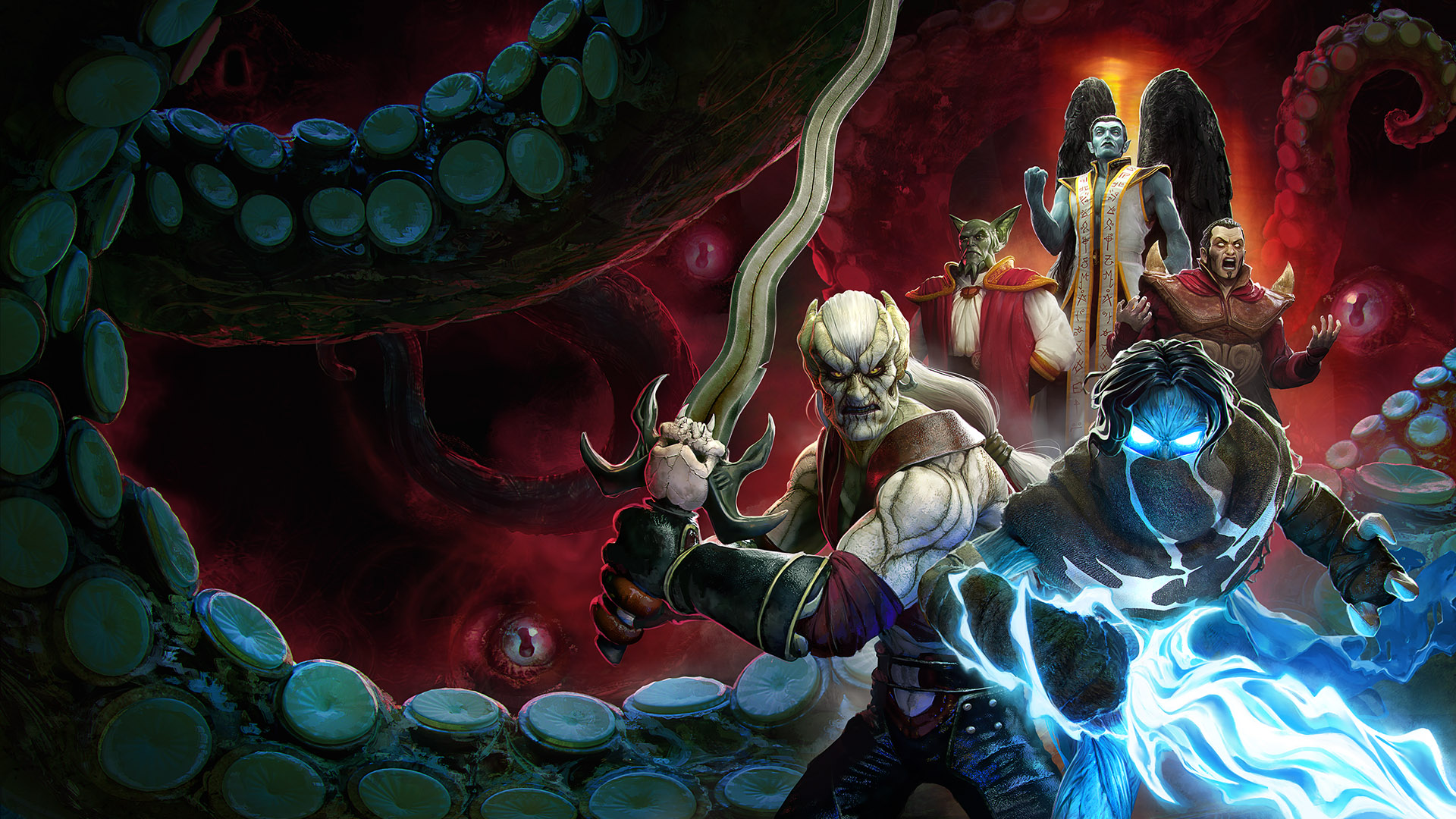
Signal Reacquired: Defiance Remastered Marks a True Series Reboot
After years of radio silence, legacy of kain: defiance remastered has been formally confirmed, and this isn’t a low-effort port—it’s a deliberate forensic restoration of a 2003 cult classic. Crystal Dynamics is bringing Kain and Raziel back with a full visual overhaul, modernized controls, refined combat, and, crucially, restored and previously cut content that has lived in fan folklore for nearly two decades.
From a #gamedev perspective, this remaster reads less like a quick SKU refresh and more like a pipeline testbed for the franchise’s future. The team is not only updating art and tech; they’re using this project to reconcile old design decisions, reinsert lost levels, and recontextualize narrative beats that were once constrained by PS2-era budgets and hardware.
Forensic Restoration: Lost Levels and Cut Content Come Home
The most important development update buried in the announcement is the confirmation of restored content and lost levels. Historically, Defiance shipped with a number of sequences trimmed or radically altered late in production. Those cuts created pacing oddities, abrupt transitions, and lore gaps that the community has dissected for years.
Bringing that material back in 2026 is non-trivial. It means:
- Asset recovery and reconstruction: Original geometry, textures, and scripts must be located, validated, and rebuilt in a modern toolchain. Missing assets require careful recreation that matches the 2003 art direction while benefiting from high-res pipelines.
- Narrative continuity passes: Reinserted levels can’t just be bolted on. Dialog, cutscenes, and VO timing must be aligned with the existing canonical arc, preserving the original writers’ intent while smoothing over known continuity seams.
- Gameplay tuning for parity: Any resurrected area that plays like a prototype will immediately stand out. Expect combat encounters, enemy placement, and puzzles in those zones to be retuned to modern standards while still feeling era-authentic.
This is where the project leans into preservation-as-production—a space usually dominated by boutique remaster houses. Crystal Dynamics is effectively treating Nosgoth as a historical artifact that must be archived and upgraded simultaneously.
Modernization: Combat, Camera, and Control in 2026
The original Defiance is beloved for its intertwined Kain/Raziel structure, but it’s equally infamous for camera friction and clunky targeting. The remaster explicitly calls out refined combat and camera, suggesting systemic rework rather than cosmetic tweaks.
From a design standpoint, you can expect:
- Camera logic rewrites to reduce collision issues and improve readability in tight interior spaces, a major pain point in the original release.
- Input remapping and responsiveness upgrades, likely with native support for modern controllers, customizable layouts, and higher polling rates.
- Combat clarity passes, including better hit feedback, animation blending, and possibly smarter lock-on behavior to accommodate contemporary action-game literacy.
The key risk: over-modernizing. If the team pushes too far toward current-gen action standards, they risk eroding the deliberate, weighty feel that defined Defiance’s combat rhythm. The messaging so far leans on “refinement” rather than reinvention, which suggests a surgical, not wholesale, approach.
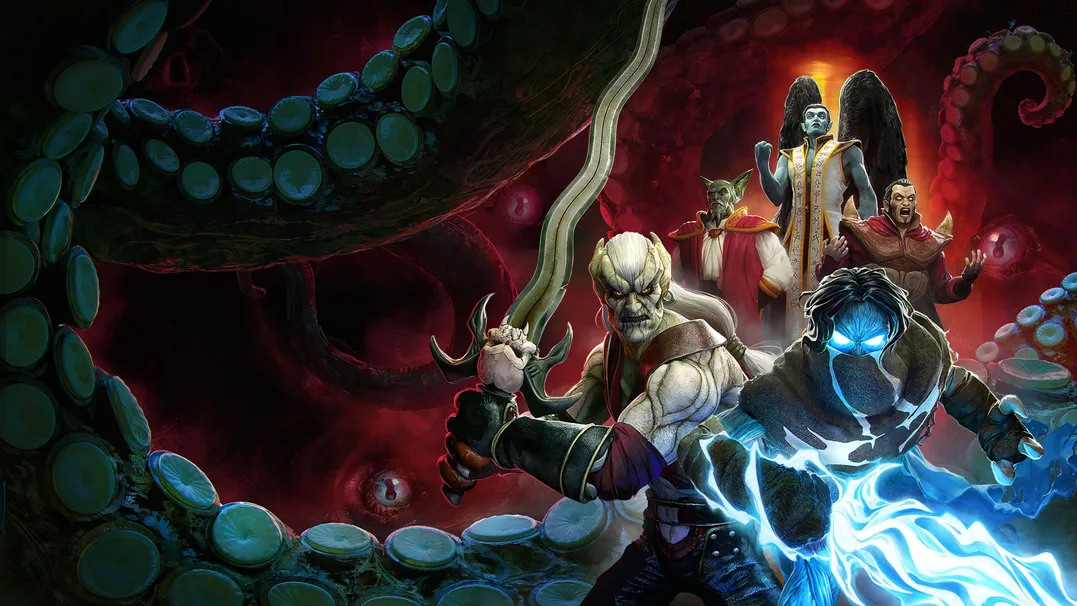
The Cancelled Sequel Demo: A Playable Timeline That Almost Was
One of the most intriguing payloads in this package is a playable demo slice of a once-cancelled sequel baked directly into legacy of kain: defiance remastered. That’s unusual on multiple fronts:
- It acts as a controlled lore leak, letting Crystal Dynamics selectively canonize or de-canonize ideas from a project that never shipped.
- It functions as a gauge for audience appetite—engagement metrics from this demo will be invaluable when scoping any future full-scale sequel.
- It provides a design archive for #gamedev teams, revealing how the studio once planned to evolve traversal, combat, and narrative structure beyond Defiance.
Expect this slice to be tightly curated. Don’t anticipate a raw, broken vertical slice; anticipate a stabilized museum build that’s been lightly cleaned up to be playable on modern hardware while still clearly labeled as “from a cancelled project.”
Parallel Vector: A New 2D Action Spin-Off as Franchise Bridge
In parallel, Crystal Dynamics is greenlighting a new 2D action title set in the Legacy of Kain universe. On paper, that might look like a tonal pivot, but strategically it makes sense:
- A 2D action framework is faster to iterate and cheaper to produce than a full 3D AAA sequel, giving the studio room to experiment with mechanics, tone, and visual identity.
- It can function as an on-ramp for new players, introducing Nosgoth’s lore in a more accessible format while the remaster caters to returning fans.
- From an #indiegame lens, this spin-off operates in a space typically dominated by smaller studios—metroidvanias, action-platformers, and combat-driven 2D titles. Crystal Dynamics is effectively stepping into that arena with a legacy IP, which will raise expectations around level design density, progression systems, and replayability.
If executed well, this 2D project can become a bridge product: small enough to be nimble, but meaningful enough to keep the franchise in active circulation between larger beats.
Strategic Outlook: Nosgoth as a Long-Term Platform
Looking across the week’s data points, the pattern is clear: this is not a one-off nostalgia play. The combination of:
- A deep-dive remaster with restored content,
- A playable cancelled-sequel demo, and
- A brand-new 2D action spin-off,
signals an attempt to reframe Legacy of Kain as a multi-tier platform rather than a dormant cult IP. For developers, this is a case study in how to revive a legacy franchise without discarding its historical baggage. For players, it’s a chance to see Nosgoth as it was meant to be seen—and to glimpse the branching futures it almost had.
As more development update drops hit the wire, the key metrics to watch will be fidelity to original narrative intent, quality of the restored content integration, and how aggressively the 2D spin-off experiments with the formula. Nosgoth’s heartbeat isn’t just back—it’s being monitored, analyzed, and tuned for the long game.
Sources and corrections
This archive entry does not have a verified article-source list. Images and video embeds alone are not evidence for every claim.
Found an error? Request a correction. Include the passage and a supporting source.