Automated archive / Invincible VS
Invincible VS Enters Live Fire, Labs the Meta, Then Drops a Towel
Invincible VS has completed its first week in the wild, prioritizing combat identity, Story Mode onboarding, and a zero-impact cosmetic drop over knee-jerk balance patches. Early telemetry points to a deep tag fighter with a deceptively complex resource layer—and a live-ops strategy that’s playing the long game.
AI-generated summary. This archive article does not have a current recorded source check. Check linked sources before relying on details. Editorial policy
Sector Intelligence Report // Invincible VS – Week 1 Live Ops
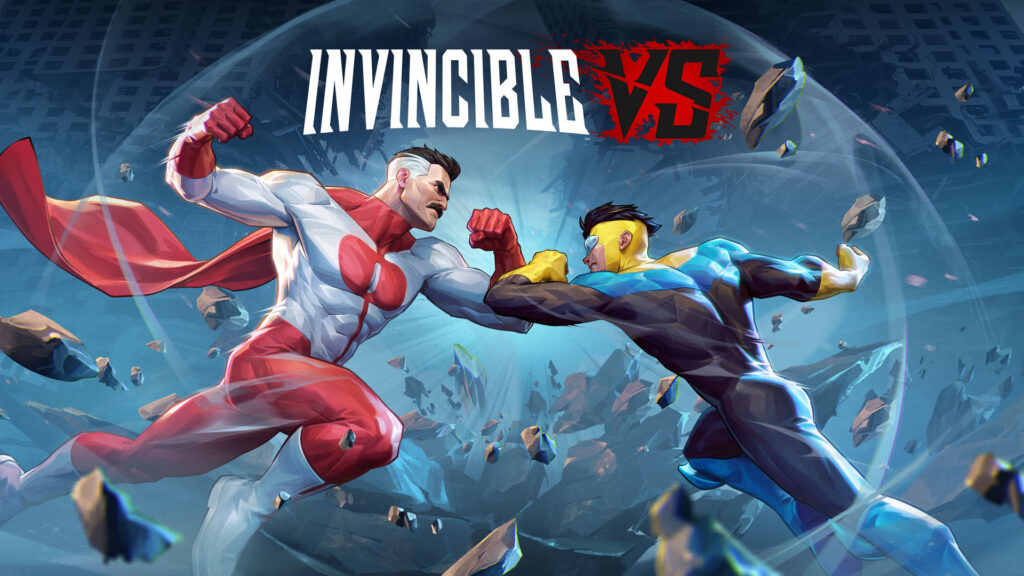
Invincible VS has fully breached the versus grid, and the first week of live deployment reads like a controlled stress test: simultaneous platform rollout, a Story Mode soft-tutorial, full visibility on Supers/Ultimates, and the first cosmetic drop in the form of the Rex Splode Towel Skin. For a licensed fighter walking the line between #indiegame sensibilities and mainstream IP expectations, this opening salvo is less about raw content volume and more about signaling combat identity and long-term live-ops intent.
Launch Status: Systems Online, Telemetry Flowing
Multiple official transmissions confirm that Invincible VS is now globally live across console, with Xbox getting prominent feature placement.
Watch: Transmitting Gameplay footage from the field: Official Launch Trailer – Invincible VS
The launch positioning is clear:
2D Tag-Team Combat as Core Pillar
- Tag-based systems: The activity feed repeatedly emphasizes aerial juggles, assist chains, and rapid swaps. That puts Invincible VS in the same tactical space as tag fighters like Marvel vs. Capcom and Dragon Ball FighterZ, but with a tighter, comic-panel presentation.
- 1v1 / 2v2 focus: Messaging stresses a "focused versus simulator, not a casual playground." From a #gamedev perspective, that implies a narrower scope with deeper iteration on core systems rather than open-world bloat or minigame detours.
Multiversal Roster as Design Lever
- Guardians, Viltrumites, and variants: Cross-timeline matchups are more than fan service; they’re a balancing tool. Designers can justify wildly divergent kits (grapplers, zoners, glass-cannon rushdown) under the multiverse umbrella without breaking fiction.
- Cross‑media synergy: The game leans on Prime Video’s Invincible series for tone, but the activity feed calls out "comic-accurate combat" and "weaponized license"—a hint that animation, panel transitions, and supers are being treated as first-class UX elements, not just cutscene garnish.
Combat Systems: Supers, Ultimates, and Story-Mode Onboarding
Two key data points this week: a full catalog of Supers/Ultimates and a 14‑minute Story Mode slice.
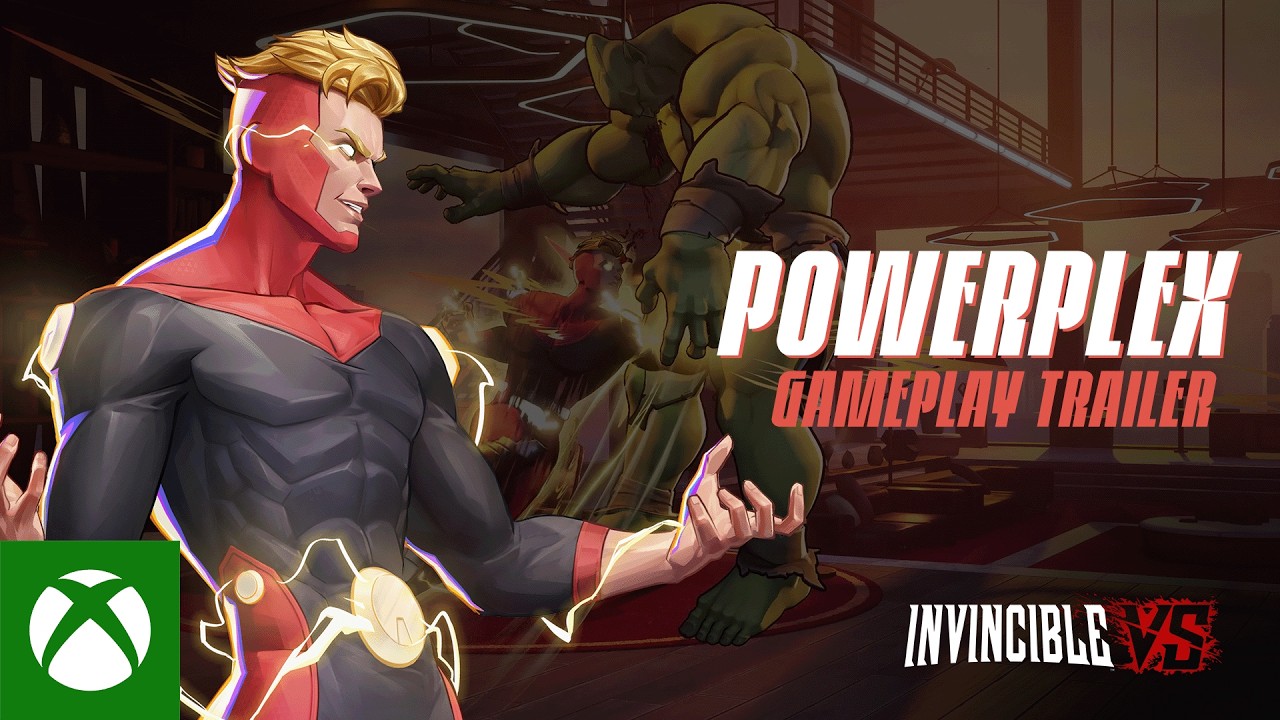
Watch: Transmitting Gameplay footage from the field: Every Super and Ultimate Move in Invincible VS
Supers & Ultimates as Feedback Engines
- Spectacle tuned for counterplay: The feed notes "armor burns, brutal juggles, and cinematic kills"—mechanics that, if framed correctly, provide strong hit-confirm clarity and punish windows instead of just screen noise.
- License-driven readability: Iconic character beats (Omni-Man brutality, Atom Eve constructs, Rex Splode chaos) double as UX signposts. Good licensed fighters turn familiarity into frame-data intuition; Invincible VS appears to be chasing that.
Story Mode = Live-Fire Tutorial
A 14-minute Story Mode preview is explicitly described as a "live-fire tutorial" for:
- Tag-based combat & assist pressure – Teaching players swap timing and basic sandwich setups in scripted encounters.
- Meter-driven finishers – Onboarding super/ultimate economy early so online doesn’t feel like a different game.
- Comic-panel transitions – Visual pacing that mirrors the show/comic, but also hard-resets focus between phases of a fight.
From a #gamedev lens, this is a smart move: narrative content justifies the tutorialization budget, and the same scripting tools used for Story Mode can likely drive future events or challenge towers.
Player Behavior Intel: Early Friction and On-Ramp Design
The most telling signal this week isn’t a trailer—it’s the starter guide debrief pointing out that new pilots are:
- Burning resources too early
- Misreading card tempo
- Ignoring long-game economy
That language strongly suggests some card- or perk-adjacent layer (perhaps assist loadouts, modifiers, or a meta-economy around match flow). Even without exact UI details, a few design inferences stand out:
Tempo and Economy in a Brawler Shell
- Resource pacing: If players are over-spending meter or equivalents in the opening exchanges, the underlying system likely rewards delayed gratification—saving for tag supers, DHC-style chains, or round-closing ultimates.
- Deck/focus builds: The guide’s emphasis on "deck focus" and "synergy prioritization" implies that pre-match configuration meaningfully changes playstyle. That’s fertile ground for #indiegame-style experimentation, but also a potential onboarding trap.
Onboarding Gap and the Lab Monster Funnel
- "Treat it as a pre-mission checklist" frames the guide as essential, not optional. The team is clearly aware that the game’s depth can punish casuals.
- For retention, the next logical development update should surface this knowledge in-client: mission-style tutorials, combo trials, and visible recommended builds to turn friction into a labbing incentive rather than a churn vector.
Live Ops & Monetization: Rex Splode Towel Skin as a Signal
The first post-launch content beat is deliberately low-impact on the meta: the Rex Splode Towel Skin.
Cosmetic-First, Balance-Later
- No balance shifts, "no meta turbulence": This phrasing is intentional reassurance. Early competitive ecosystems are fragile; dropping pure cosmetics tells players the team is collecting telemetry before touching frame data.
- Morale gear: The cosmetic is framed as fun, slightly absurd, and high-visibility. That’s the kind of skin that populates highlight reels, helping the game’s social discoverability without fragmenting the playerbase.
Live-Ops Trajectory
- Expect a cosmetic-first roadmap in the immediate term (alt costumes, VFX variants, maybe announcer packs), while the combat team digests week-one data.
- Once match stats and rage-quit metrics stabilize, anticipate a surgical balance pass: hurtbox tweaks on outlier characters, meter-gain normalization, and perhaps adjustments to whatever "card tempo" layer is causing the most early confusion.
For #gamedev teams watching from the outside, Invincible VS is a case study in how to stage a licensed fighter: anchor the launch with strong combat identity, use Story Mode as a stealth tutorial, and open the live-ops era with a harmless—but highly memetic—towel skin instead of a disruptive nerf bat.
Sources and corrections
This archive entry does not have a verified article-source list. Images and video embeds alone are not evidence for every claim.
Found an error? Request a correction. Include the passage and a supporting source.