Automated archive / Invincible VS
Invincible VS Turns Canon Into a Combat System
Invincible VS is weaponizing its canon, turning the Invincible multiverse into a fully wired Story Mode where every encounter is a narrative node and every combo is timeline-adjacent. This week’s intel shows a fighter that treats story as a combat system, not just a cutscene wrapper.
AI-generated summary. This archive article does not have a current recorded source check. Check linked sources before relying on details. Editorial policy
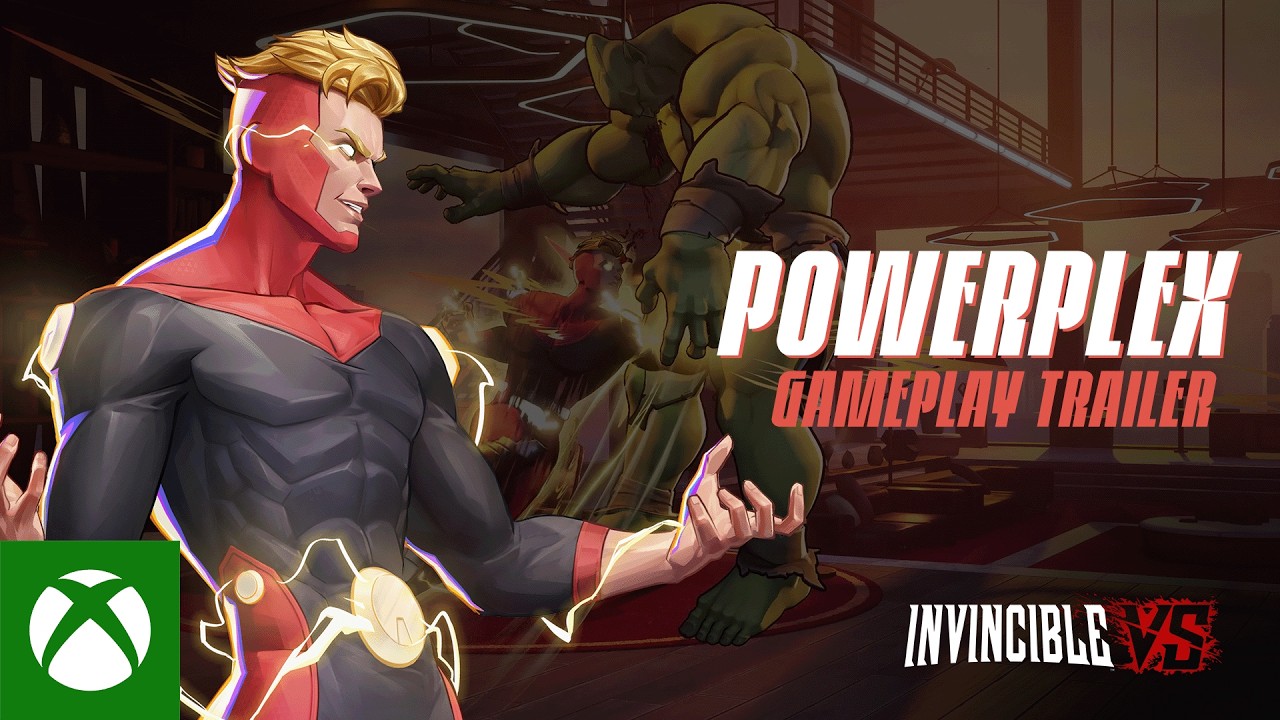
Sector Briefing: Narrative Combat Goes Live in Invincible VS
Invincible VS is no longer positioning itself as a simple arena brawler; this week’s intel confirms it’s building a full narrative combat stack that treats the Invincible canon as both script and system design. Across new trailers, deep dives, and official podcasts, the team is framing Story Mode as a structured campaign where every round is a narrative beat, not just a matchmaking slot.
From a #gamedev perspective, the pitch is clear: compress decades of comics and two seasons of animated storytelling into tight, objective-driven encounters that still feel like high-velocity versus matches. The result is a hybrid format—half cinematic episode, half lab-friendly fighter—that could quietly redefine how licensed arena games handle story.
Story Mode Declassified: Structured, Not Script-Dumped
Recent transmissions describe Story Mode as a branching campaign rather than a linear highlight reel. Players rotate through iconic heroes and villains, with the game orchestrating character swaps mid-arc to match the canon timeline.
Key design reads:
- Objective-driven encounters: Missions aren’t random brawls. Expect specific win conditions, defensive holds, or survival sequences tuned around narrative stakes—like holding a line until backup arrives or surviving a Viltrumite onslaught.
- Boss sequences tuned for spectacle: The intel calls out “frame-tight reactions” and “screen-shattering combos,” suggesting cinematic bosses that still respect fighting-game timing windows.
- Branching story paths: The Story Protocol briefing points to multiple routes through escalating threats. That implies replayable narrative nodes, not a one-and-done campaign.
For #indiegame and mid-tier studios watching from the sidelines, this is a case study in how to use limited environments and a focused roster to simulate big-budget story scope through smart encounter design.
Canon-Accurate Combat: Every Combo Is Timeline-Adjacent
The Story Protocol trailer frames the Invincible multiverse as a combat matrix: alternate-universe Viltrums, fractured alliances, and cross-dimensional clashes are all routed through 2D brawls.
Design implications:
- Canon-informed move sets: Super-meter spikes, brutal finishers, and tag-ins are aligned with specific show and comic moments. Finishers aren’t just big numbers—they’re visual callbacks.
- Micro-episode match flow: Tailored dialogue, situational intros, and outro stingers reframe each fight as a self-contained “episode” in the Invincible vs multiverse. The versus screen becomes a narrative slate.
- Roster calibrated for story density: Instead of sheer quantity, the roster seems tuned for maximum relational friction—heroes and villains selected because every pairing has narrative history to mine.
This is smart systems thinking: reuse core combat logic, but swap context, VO, and intro states to multiply perceived story volume without multiplying production cost.
Watch: Transmitting Gameplay footage from the field: Official Invincible VS Story Trailer
Narrative Systems as Competitive Hooks
Breach.gg readers looking at Invincible VS through a competitive lens will want to watch how the story layer intersects with lab time:
- Scripted difficulty ramps allow designers to introduce mechanics in a controlled order—perfect for onboarding players who might otherwise bounce off a pure versus mode.
- Canon-accurate encounters double as stealth tutorials. Fighting a Viltrumite in a story boss scenario can be a curated crash course in anti-air windows, burst management, and spacing.
- Multiverse framing gives the team license to remix balance and move properties in-story without breaking canon: different timelines, different rule sets.
The result could be a rare licensed fighter where Story Mode isn’t a one-night stand, but a training and retention funnel for long-term versus play.
Production Read: Building a Narrative Fighter on a Budget
The activity feed hints at a few production-side tactics other #gamedev teams can steal:
- Comic-panel cut-ins are doing double duty as both spectacle and cost control—stylized 2D frames are cheaper than bespoke 3D cinematics, but they land harder in an IP that started on the page.
- Reused arenas, remixed stakes: By recontextualizing the same stage through different objectives and dialogue, Story Mode stretches content without feeling like filler.
- VO-light, context-heavy: Situational intros and targeted banter give the illusion of a heavily voiced campaign while focusing recording time where it matters most—key clashes and boss fights.
Watch: Transmitting Gameplay footage from the field: Story Mode Deep Dive on Official Xbox Podcast
Sector Outlook: What to Monitor Next
As Invincible VS moves toward wider deployment, the next wave of intel to watch includes:
- How branching the campaign truly is—are we talking minor dialogue forks or radically different encounter chains?
- Whether story-exclusive mechanics (scripted assists, one-off power spikes) make it into competitive modes in a balanced form.
- Post-launch narrative drops—can new arcs and multiverse branches be patched in as seasonal content without fragmenting the player base?
For now, the signal is clear: Invincible VS is treating story not as a wrapper, but as a core combat parameter. If it lands, expect more licensed fighters to follow this canon-as-combat blueprint—and more #indiegame teams to adapt the model at smaller scale.
Sources and corrections
This archive entry does not have a verified article-source list. Images and video embeds alone are not evidence for every claim.
Found an error? Request a correction. Include the passage and a supporting source.