Automated archive / Invincible VS
Sector Intelligence: Invincible VS Open Beta Turns the Whole Planet into a Lab
Invincible VS has entered open beta with a clear directive: treat every match as a live-fire systems test, not a casual exhibition. From rollback netcode telemetry to tag-team balance anomalies, the next few weeks will determine whether this adaptation can earn a permanent slot in the competitive rotation.
AI-generated summary. This archive article does not have a current recorded source check. Check linked sources before relying on details. Editorial policy
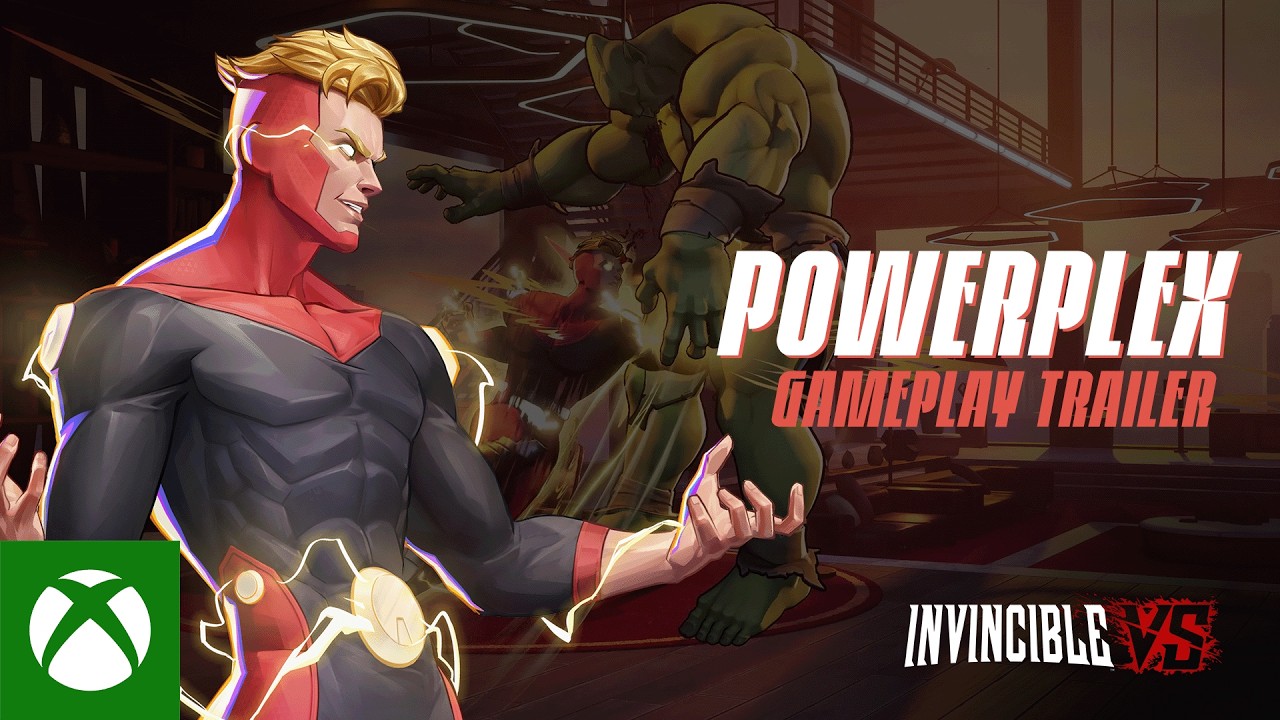
Sector Intelligence Report: Invincible VS Open Beta Goes Live-Fire
Invincible VS has officially shifted from controlled skirmishes to open conflict. The open beta is now active, and the last seven days of signals paint a clear picture: this is not a marketing demo, it’s a full-scale systems test of a competitive 2D tag fighter built to punish sloppy inputs and shaky netcode.
Across the feed, the messaging is consistent: treat the open beta as a live-fire stress test, not a casual weekend brawl. For #gamedev observers and competitive players alike, this phase is where the real data gets harvested—on rollback behavior, balance extremes, and how the Invincible IP translates into a modern tag-team fighter.
Combat Infrastructure: Tag-Team, Assists, and Frame-Perfect Violence
The activity feed confirms Invincible VS is leaning into classic tag-fighter DNA: 2D tag-team encounters, assist chains, aerial juggles, and screen-shaking supers. Guardians, Viltrumites, and assorted “meatbags” are all being thrown into the same sandbox, which means the design team is testing:
- Assist synergy and abuse cases – Which hero/villain pairings create touch-of-death routes or inescapable pressure?
- Aerial juggle limits – How long can players keep a character airborne before gravity (or the balance team) intervenes?
- Super move readability – Screen-shaking supers must be cinematic without obscuring critical information in neutral.
From a #indiegame and #gamedev standpoint, this is a high-risk, high-reward structure. Tag systems exponentially increase balance complexity, but they also create the kind of lab-heavy meta that keeps Discords and training mode streams alive for years.
Watch: Transmitting Gameplay footage from the field: Invincible VS – Official Open Beta Trailer
Netcode, Telemetry, and the Real Mission of This Open Beta
The language in the briefings is blunt: this is a stress test of netcode, timing windows, and combo routes. In practice, that means the development team is watching several critical telemetry streams:
- Rollback and input latency under load – With open beta volume, the team can see how the netcode behaves across regions, platforms, and unstable connections.
- Timing window tolerance – Are links too strict for new players, or too lenient for high-level optimization?
- Combo route diversity – If the data shows a small number of optimal routes dominating, expect adjustments to hitstun, scaling, or assist behavior.
The repeated framing of this beta as a “live-fire systems test” suggests the devs are willing to iterate fast. Expect post-beta balance passes, hitbox/hurtbox tuning, and possibly even system-level tweaks if certain mechanics (e.g., assists or air tech options) prove degenerate.
Meta Development: From Streets to Ranked Ladders
The feed explicitly calls out “turning every street into a high-impact PVP arena” and urges players to “lab the meta” and “report balance anomalies to the network.” That tells us two things:
- Community-driven discovery is part of the design loop. The team wants the playerbase to actively break the game so they can harden it before launch.
- Competitive aspirations are baked in. You don’t push players toward stress-testing timing windows and combo routes unless you’re aiming for long-term ranked and tournament viability.
This open beta is effectively a large-scale rehearsal for how Invincible VS might live in the FGC ecosystem: Discord tech dumps, matchup spreadsheets, and early tier lists built on incomplete information. It’s the perfect moment for #gamedev analysts to watch how IP familiarity (fans of Invincible) intersects with fighting game literacy.
Watch: Transmitting Gameplay footage from the field: Invincible VS – Open Beta Deployment Briefing
Action Items for Operators, Testers, and Devs
For players dropping into the open beta:
- Squad up early – Tag fighters are meta-driven; finding a shell now pays dividends later.
- Document anomalies – Clip desyncs, infinite loops, unblockables, and impossible-to-react mixups.
- Test bad conditions – Wi-Fi, cross-region, and off-peak hours all matter for netcode telemetry.
For developers and #gamedev observers, Invincible VS’s open beta is a case study in how to:
- Use IP recognition to funnel a wide audience into a highly technical genre.
- Frame an open beta as serious infrastructure testing, not just a content teaser.
- Leverage community lab work as free QA on balance and system design.
If the team can translate this week’s flood of netcode logs, balance feedback, and combo lab discoveries into rapid, visible iteration, Invincible VS could exit beta not just as another licensed fighter, but as a legitimate contender in the tag-team space.
Sources and corrections
This archive entry does not have a verified article-source list. Images and video embeds alone are not evidence for every claim.
Found an error? Request a correction. Include the passage and a supporting source.
Your games, in one place
Keep up with Invincible VS
Follow this game to collect its posts in your personal feed. Come back to see what you missed.
More to read about Invincible VS
- Source-checked briefAngstrom Levy joins Invincible VS on October 13
Angstrom Levy is scheduled to arrive as Invincible VS’s third DLC fighter and 21st playable character as part of Season 2. His kit centers on portals and summonable orbs. Angstrom Levy is due...