Automated archive / Invincible VS
Sector Intelligence: Inside Invincible VS’s Conquest War Machine and Titan-Class Threat Grid
Invincible VS is quietly transforming from a straight fighter into a full-scale campaign war game, with Conquest mode acting as a sector-control roguelite grid. Titan-class threats, lane-based brawling, and meta-progression systems are converging into one of the more ambitious licensed fighting frameworks on the...
AI-generated summary. This archive article does not have a current recorded source check. Check linked sources before relying on details. Editorial policy
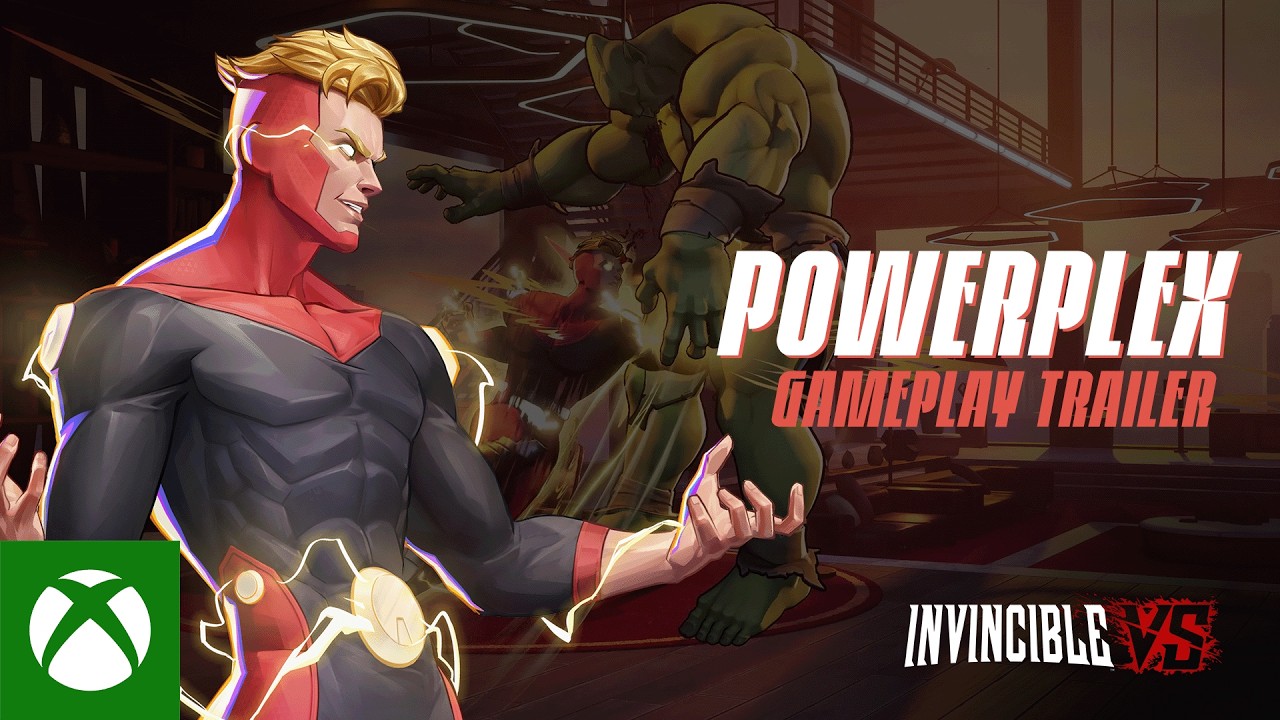
Sector Intelligence Report: Invincible VS – Conquest Mode, Titans, and the Shape of the Campaign War
Invincible VS is quietly assembling one of the more aggressive campaign frameworks in the licensed fighter space. Over the last week, new intel has clarified how Conquest mode, Titan-class encounters, and lane-based brawling are being fused into a single systemic war machine. For #gamedev and #indiegame teams watching from the sidelines, there’s a lot here about how to turn a traditional versus fighter into a long-horizon combat service.
Conquest Mode as a Sector-Control Roguelite Grid
The latest systems brief confirms that Conquest in invincible vs isn’t just a glorified arcade ladder. It’s a sector-control roguelite grid, where every node is a tactical encounter and every decision mutates the campaign map.
Each run plays out across a branching grid of encounters. Nodes can represent standard fights, hazard-modified skirmishes, or boss-grade clashes, with escalating threat levels that alter enemy composition and modifiers. The critical detail: your roster and resources persist across the run, forcing players to think like field commanders, not just lab monsters grinding combos.
From a design standpoint, this is a pivot from “pick your main and go” to roster orchestration. Players rotate squads of heroes and villains from the Invincible universe, distributing limited upgrades, consumables, and node-specific perks. The system incentivizes:
- Risk-managed routing: choosing safer paths to preserve key characters vs. high-risk, high-reward nodes that unlock stronger meta-progression.
- Data-driven composition: building squads that counter specific node hazards (environmental damage, enemy armor types, or debuff-heavy encounters).
- Temporal decision-making: saving power picks and ult-ready bruisers for late-grid spikes or Titan-class nodes.
Meta-progression sits on top of this structure, unlocking new modifiers, characters, and systemic upgrades that reshape future runs. For developers, it’s a case study in how to bolt roguelite persistence onto a fighter without losing the genre’s immediacy.
Watch: Transmitting Gameplay footage from the field: Official Conquest Deep Dive breakdown
Lane-Based Brawler DNA and Multi-Phase Conquest Encounters
A separate Conquest gameplay transmission reframes the mode from another angle: lane-based brawler combat. Instead of static 1v1 duels, Conquest stages resemble moving frontlines where you:
- Rotate between multiple heroes and villains in real time.
- Chain aerial juggles, tag-ins, and assist attacks to maintain lane pressure.
- Manage multi-phase boss encounters that escalate in aggression, patterns, and arena destruction.
The visual telemetry highlights extreme gore and destruction-heavy arenas tuned for comic-accurate brutality. This isn’t just a cosmetic layer; it’s signaling readable feedback loops. When the environment is shredded and the screen is painted in damage, the player clearly understands the stakes and the power curve.
From a systems design lens, this is Conquest doing double duty:
- Engagement pacing – Lane-based brawling breaks up the monotony of pure 1v1 sets, creating spikes of chaos that feel more like a co-op brawler or raid lane than a traditional fighter.
- Roster utilization – Tag-ins and assists ensure that your entire squad matters, not just a single S-tier main. That aligns neatly with the sector-control fantasy: every operative has a role in the war effort.
The takeaway for #gamedev teams: if you’re building a campaign around a fighting core, consider lane or multi-target structures that let you justify bigger rosters and more expressive AI behaviors.
Watch: Transmitting Gameplay footage from the field: Titan Deep Dive and large-scale boss engagement
Titan-Class Threats as Mobile Raid Objectives
The Titan Deep Dive reframes boss fights as mobile raid objectives rather than oversized health bars. Titan-class threats escalate Invincible VS from street-level skirmishes to full-scale, phase-based engagements with:
- Detailed move-sets that gate-check fundamentals like spacing, anti-air timing, and defensive resource management.
- Arena control patterns that force repositioning—think zoning fields, targeted ground smashes, or line-clearing swipes that punish static play.
- Rage state phases that alter both tempo and vulnerability windows, effectively turning each Titan into a multi-encounter puzzle.
For players, this means Titans become the stress tests for their entire Conquest build: if your composition, upgrades, and resource economy are weak, these encounters will expose it instantly.
For developers, Titans are a design lever that:
- Validate the viability of the meta-progression layer (do late-run builds feel meaningfully stronger?).
- Showcase hero and villain kits under maximum pressure, surfacing synergies that aren’t obvious in standard versus play.
- Provide a natural anchor for seasonal or post-launch content drops—new Titans, new patterns, new sector variants.
Strategic Outlook: Invincible VS as a Campaign-First Fighter
The throughline across all recent intel is clear: invincible vs is positioning itself as a campaign-first fighting experience. Conquest mode’s sector grid, lane-based engagements, and Titan-class bosses interlock into a long-form war where roster building, routing, and mechanical execution all matter.
From an industry perspective, this is a blueprint for how licensed fighters can escape the “weekend novelty” trap. By fusing roguelite structure, brawler pacing, and raid-like boss design, Invincible VS is targeting retention without leaning solely on FOMO or cosmetics.
As more systems surface, the key questions for both players and #indiegame/#gamedev observers will be:
- How deep and varied are the node modifiers and hazards over time?
- Can Conquest sustain meaningful meta-progression without overwhelming new players?
- Do Titan-class threats evolve post-launch to keep the campaign ecosystem fresh?
For now, the signal is strong: Invincible VS isn’t just simulating superhero carnage; it’s building a full-spectrum campaign theater around it.
Sources and corrections
This archive entry does not have a verified article-source list. Images and video embeds alone are not evidence for every claim.
Found an error? Request a correction. Include the passage and a supporting source.
Your games, in one place
Keep up with Invincible VS
Follow this game to collect its posts in your personal feed. Come back to see what you missed.