Back to guides and news
Gaming
March 9, 2026
Sector Intelligence Report: Dupli-Kate Turns Invincible VS Into a Self-Replicating Killbox
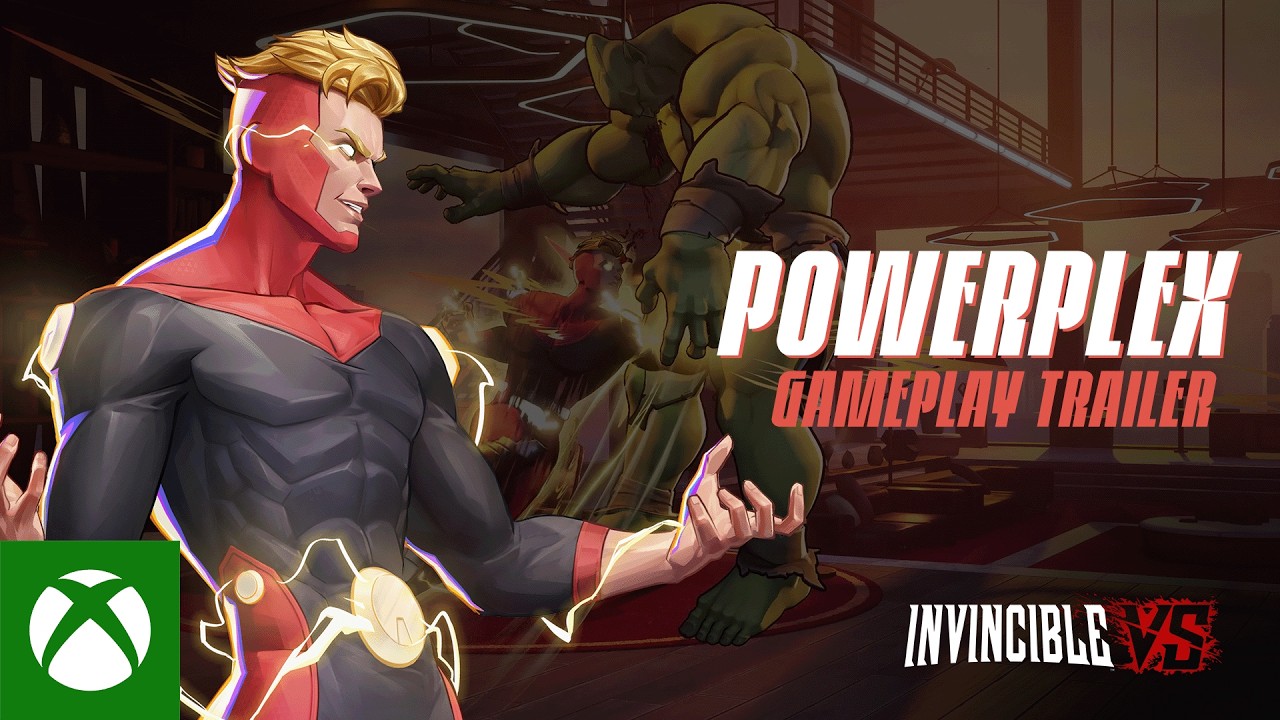
Dupli-Kate enters the grid: official key art from Invincible VS
Sector Intelligence Report // Invincible VS – Week of March 9
Invincible VS just escalated its threat profile with Dupli-Kate, a clone-centric striker who weaponizes space, tempo, and screen control. Over the last seven days, every officially sanctioned transmission has reinforced the same conclusion: this isn’t a gimmick character. Dupli-Kate is being engineered as a high-APM, high-foresight specialist designed to stress-test both player execution and system clarity.
From a #gamedev perspective, the latest trailers frame Dupli-Kate as a live case study in multi-entity combat design: synchronized bodies, layered hit-confirms, and constant risk of visual overload. For a licensed fighter like invincible vs, that’s a bold commitment to depth over accessibility—and a signal that the team is chasing long-term competitive viability rather than a shallow fan-service roster.
Dupli-Kate’s Combat Thesis: Multi-Body Pressure as a Core System
Cloning as a Persistent Threat, Not a One-Off Gimmick
Recent gameplay feeds describe Dupli-Kate as a “high-tempo clone specialist who turns the arena into a self-replicating killbox.” That language matters. It implies her clones aren’t just cinematic supers or short-lived assists—they’re integral to her neutral, offense, and possibly even defense.
Key tactical behaviors highlighted in the field reports:
- Multi-body pressure: Clones appear to act as parallel hitboxes, enabling layered offense where primary and duplicate bodies threaten different vertical and horizontal lanes simultaneously.
- Positional swarming: The term “positional swarming” suggests clones are being placed or routed to pinch the opponent’s movement, effectively creating soft walls that funnel them into pre-scripted strike patterns.
- Screen-control assaults: Rather than just corner bullying, Dupli-Kate seems tuned to manage screen-wide crowd control, suggesting zoning-adjacent routing even though her core identity is striker, not projectile zoner.
For players, this means she’s less about single clean hits and more about building inescapable scenarios—small, layered advantages that snowball once she’s established a clone network.
Skill Ceiling & Team Synergy: Built for Lab Monsters
The intel repeatedly flags Dupli-Kate’s steep skill ceiling. That typically means:
- Execution load: Managing clone timing, spacing, and routing while maintaining safe strings will demand strong muscle memory and situational awareness.
- Route complexity: The mention of “tag-style combo extensions optimized for corner oppression” points to advanced combo trees where clones either extend juggle states or re-stand opponents for mix-ups.
- Resource management: While not yet confirmed, it’s reasonable from a #gamedev design standpoint to expect some limiter—meter, cooldowns, or positional constraints—to keep clone spam from collapsing match readability.
The reports also call out “strong team-synergy potential” and “labs testing team-combo routing and anti-clone countermeasures.” That’s a clear hint that invincible vs is doubling down on team-based systems where Dupli-Kate can:
- Act as a pressure extender: tagging in to continue blockstrings or convert stray hits into full routes.
- Serve as a setup engine: leaving behind clone states or delayed hits before tagging out, forcing the opponent to block ambiguous entries.
- Enable touch-of-round scenarios: with optimized team routing, her multi-body extensions could push damage and corner carry to tournament-viable thresholds.
For competitive players, this positions Dupli-Kate as a long-term investment character—one whose full value only appears after weeks of lab work.
Visual Clarity vs. Chaos: The Design Balancing Act
Any clone-heavy fighter risks collapsing into visual noise. The intel’s phrasing—“screen-wide crowd management” and “multi-angle pressure”—implies the dev team is pushing the envelope on how much is happening on-screen at once.
From a #indiegame and #gamedev lens, the interesting questions are:
- Silhouette & readability: How are Dupli-Kate’s clones differentiated from her main body—timing, color accents, VFX layering, or animation priority? Competitive clarity hinges on this.
- Hit-stop & feedback: With multiple bodies striking, hit-stop and sound design must be tuned to avoid overwhelming the player’s sense of timing. Too much feedback and the game feels mushy; too little and it becomes unreadable.
- Counterplay hooks: The reports mention “anti-clone countermeasures,” suggesting tools like armor, multi-hit normals, or targeted specials that punish reckless clone deployment.
If invincible vs can keep Dupli-Kate’s kit threatening but legible, it’ll be a strong proof-of-concept for how licensed fighters can support mechanically ambitious characters without losing the broader audience.
Meta Forecast: Early Tier Speculation & Competitive Impact
Based on the current transmissions, Dupli-Kate is likely to land in one of two meta roles:
- High-tier specialist – Dominant in the hands of experts who can juggle clone states, but underperforming for casuals who can’t maintain pressure without overextending.
- Team enabler – Even if her solo kit ends up balanced, her true power may live in team compositions where she acts as a combo bridge and corner win-condition.
The “self-replicating killbox” framing strongly implies she’ll excel at:
- Locking opponents down once she secures corner control.
- Forcing defensive resources (bursts, reversals, guard mechanics) earlier than usual.
- Testing matchup knowledge—players who don’t understand her clone timings will simply crumble under layered offense.
For tournament organizers and competitive players tracking invincible vs, Dupli-Kate is a clear early watch-list character. How quickly the community develops anti-clone tech will likely define her first-season balance narrative.
Strategic Takeaways for Players & Devs
For players entering the field:
- Lab time is mandatory. Expect to spend serious time in training mode just to stabilize bread-and-butter routes and safe pressure.
- Learn the counters early. Even if you don’t main her, understanding clone gaps, punish windows, and defensive options will be crucial.
- Think team-first. Evaluate how your current roster can either feed into her setups or dismantle her screen control.
For developers and designers watching from the outside, Dupli-Kate is a valuable public test case in:
- Scaling complexity in a licensed fighter without alienating newcomers.
- Maintaining visual clarity when multiple active entities share the same silhouette.
- Building a character whose power comes from system mastery, not just raw frame data.
As more footage drops and hands-on builds circulate, expect the Dupli-Kate discourse to become a central pillar of the ongoing invincible vs development update cycle—and a key indicator of how far this project is willing to push into true competitive territory.
Keep following Invincible VS
News, guides, posts, and game details in one place.
Open the game hub, then save it to build your personal Breach feed.
More images and video
About the game
Invincible VS
Unknown Studio
Mission Intelligence: Invincible VS: Powerplex is a competitive arena fighter set inside the brutal superhero world of Invincible. Players deploy iconic heroes and villains into a compact, high-voltage combat zone built around mobility, crowd control, and ultimate abilities. The Powerplex environment becomes a dynamic tactical board—walls, hazards, and spacing all shape each engagement. Optimized for fans of fighting games, superhero brawlers, and fast-paced online matches, this title targets replayability, mastery, and highlight-reel chaos.
Open game pageTopics
Invincible VS
Dupli-Kate Invincible VS
Invincible VS character breakdown
Invincible VS gameplay analysis
clone fighter design
fighting game meta
licensed fighting game
competitive fighting games
#gamedev
#indiegame
development update
fighting game roster design