Automated archive / Invincible VS
Dupli-Kate Turns Invincible VS Into a Self-Replicating Killbox
Dupli-Kate has entered Invincible VS as a full-scale systems test for clone-heavy combat, turning the arena into a self-replicating pressure cooker. This week’s Sector Intelligence Report breaks down her swarm mechanics, corner oppression, and what her design reveals about the game’s engine and competitive future.
AI-generated summary. This archive article does not have a current recorded source check. Check linked sources before relying on details. Editorial policy
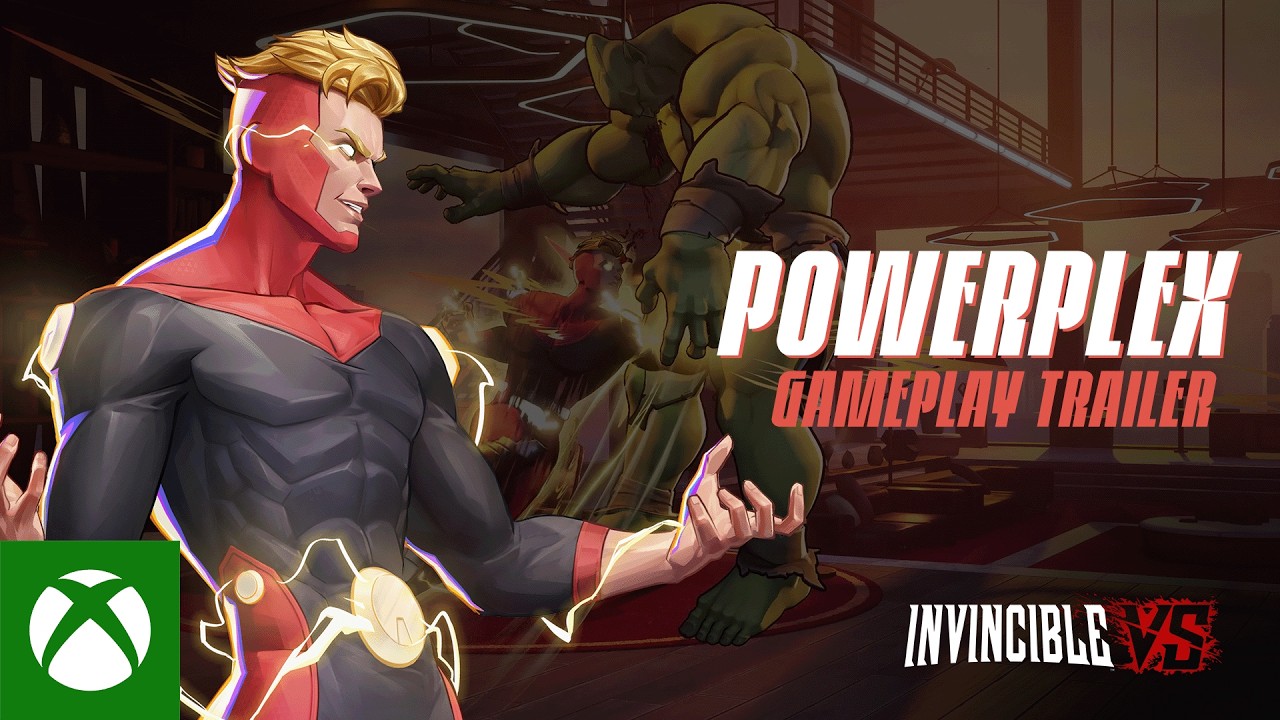
Dupli-Kate Enters the Grid: Clones as a Core Gameplan, Not a Gimmick
Invincible VS just shifted its competitive center of gravity. The latest field intel on Dupli-Kate confirms she isn’t a novelty pick; she’s a full-on clone-centric gameplan designed to stress-test the engine, netcode, and player decision-making all at once. Across multiple official drops and trailers, Dupli-Kate consistently weaponizes multi-body pressure, lane control, and tag-style combo extensions, suggesting the dev team is aggressively exploring how far they can push clone logic in a modern tag fighter.
From a #gamedev perspective, this is a high-risk, high-reward design: every duplicate is essentially a second hitbox, hurtbox, and logic branch on screen. That means more to render, more to track, and more for the rollback netcode to reconcile. The fact that Dupli-Kate is already being showcased heavily in official footage implies confidence that Invincible VS can handle high-tempo, multi-entity chaos without collapsing under desyncs or visual noise.
Watch: Transmitting Gameplay footage from the field: Official Dupli-Kate Fighter Deep Dive
Systems Analysis: How Dupli-Kate Actually Fights
1. Multi-Body Pressure and Positional Swarming
Recent gameplay transmissions highlight Dupli-Kate turning neutral into a positional swarm. Instead of focusing on single, dominant pokes, she appears to:
- Deploy clones to lock down horizontal and vertical lanes, forcing opponents into pre-scripted escape routes.
- Use delayed clone activations to create staggered pressure, where the player can alternate between real-body feints and clone-confirmed hits.
- Convert standard blockstrings into layered mixups, with one body covering gaps while another sets up the next engagement.
This is the kind of character that punishes autopilot defense. The skill ceiling is clearly steep: players will need to manage clone timers, spacing, and resource economy while still hit-confirming in the chaos. But the payoff is obvious—whoever masters Dupli-Kate will dictate the pace of the match from the character select screen.
2. Corner Oppression and Tag-Style Routing
The activity feed repeatedly references corner oppression and tag-style combo extensions, and the footage backs that up. Once Dupli-Kate gets you to the corner, the arena effectively shrinks:
- Clones appear to lock down wake-ups and jumps, turning basic defensive options into hard reads instead of safe defaults.
- Tag mechanics (or assist-style interactions, depending on the final system naming) let Dupli-Kate extend combos beyond conventional scaling windows, using clones as pseudo-assists.
- This creates a loop: corner carry → clone lockdown → tag extension → hard knockdown → repeat.
For competitive players, this suggests Dupli-Kate will be a team nucleus rather than a flex pick. She’s the kind of fighter you build a squad around, not just slot in.
Watch: Transmitting Gameplay footage from the field: Official Dupli-Kate Gameplay Trailer
Engine Stress Test: What Dupli-Kate Reveals About Invincible VS
3. Clone Logic, Readability, and Netcode Implications
Designing a clone-heavy character in a tag fighter is a technical and UX minefield. The trailers show the team attacking three core problems:
- Readability: Color accents, pose variety, and timing tells help players distinguish between active threats and positional clones. This is crucial for maintaining competitive clarity.
- Rollback Tolerance: Multiple hitboxes moving asynchronously are a nightmare for rollback netcode. The studio’s willingness to push Dupli-Kate front and center suggests Invincible VS is being architected to handle worst-case visual density from day one.
- Input Buffering & Priority: With clones performing overlapping actions, the engine must prioritize which interactions resolve first. Clean hitstop, consistent trade rules, and deterministic outcomes will be essential for high-level play.
For #indiegame developers watching from the sidelines, Dupli-Kate is a live case study in how to scale complexity without sacrificing clarity.
Meta Forecast: Where Dupli-Kate Fits in the Early Tier Landscape
4. Role in Team Compositions
Based on the current intelligence and gameplay breakdowns, Dupli-Kate is likely to function as:
- A pressure point character who specializes in forcing early resources—bursts, reversals, or defensive tags.
- A combo extender that turns mid-screen hits into corner carry and corner hits into win conditions.
- A screen-control specialist who can stall, bait, or funnel opponents into partner-specific win states.
Players who enjoy setplay, trap characters, or puppet-style fighters will find familiar DNA here, but refactored through the Invincible VS lens.
5. Counterplay and Anti-Clone Tech
The devs are clearly aware that a character like this can dominate if unchecked. The trailers subtly tease counter-clone measures:
- Multi-hit moves that can clear clones and the main body simultaneously.
- Movement options that bypass grounded lane control—air dashes, teleports, or armored approaches.
- Possible system-level answers like universal pushblock or guard-cancel mechanics to break out of clone swarms.
Expect early lab work to revolve around forcefully resetting to neutral and denying Dupli-Kate the chance to establish her clone grid.
Strategic Takeaways for Players and Developers
For players tracking invincible vs as a competitive platform, Dupli-Kate is a clear signal: this isn’t a conservative, low-risk roster. The team is willing to ship high-complexity archetypes that reward lab time and deep system knowledge.
For #gamedev and #indiegame teams, Dupli-Kate is equally interesting as a design artifact:
- She demonstrates how to build a clone-heavy character whose threat profile is systemic, not just a single super or gimmick.
- She showcases how visual language, timing, and resource constraints can keep a complex kit readable and fair.
- She acts as a stress test for engine architecture, netcode robustness, and UI clarity in a fast-paced tag fighter.
As more fighters enter the Invincible VS arena, Dupli-Kate will likely be the benchmark for how far the game is willing to push multi-entity combat design—and how high the ceiling really is for players aiming to dominate the grid.
Sources and corrections
This archive entry does not have a verified article-source list. Images and video embeds alone are not evidence for every claim.
Found an error? Request a correction. Include the passage and a supporting source.
Your games, in one place
Keep up with Invincible VS
Follow this game to collect its posts in your personal feed. Come back to see what you missed.
More to read about Invincible VS
- Source-checked briefAngstrom Levy joins Invincible VS on October 13
Angstrom Levy is scheduled to arrive as Invincible VS’s third DLC fighter and 21st playable character as part of Season 2. His kit centers on portals and summonable orbs. Angstrom Levy is due...