Automated archive / Horses
HORSES Kicks Back Against Platform Risk in the Indie Horror Arena
Epic’s defense of a controversial horror ban just redrew the lines for every indie horror project, including HORSES. This week’s Sector Intelligence Report breaks down what that means for content, marketing, and survival on major platforms.
AI-generated summary. This archive article does not have a current recorded source check. Check linked sources before relying on details. Editorial policy
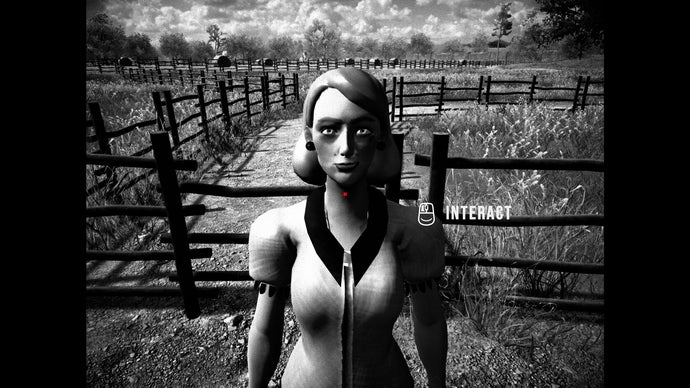
Sector Intelligence Report: HORSES
The last seven days in the HORSES sector have been defined less by creature design or patch notes and more by platform politics. With Epic Games publicly defending its ban of a controversial horror title and emphasizing content guideline enforcement, every #gamedev team working on psychologically aggressive experiences—HORSES included—just got a blunt reminder: horror is thriving, but the margin for error on major storefronts is shrinking.
In this week’s intelligence sweep, we’re looking at what Epic’s stance means for HORSES as an #indiegame horror project, how platform risk should be factored into ongoing development, and why narrative and visual framing around horses and human vulnerability may become a flashpoint for moderation teams.
Epic’s Ban Sends a Signal to HORSES and Its Peers
Epic Games’ recent move—defending the removal of a horror title on the grounds of content guideline violations—reverberates through the entire horror ecosystem. For HORSES, a project that appears to lean into unsettling, human-centric imagery and psychological dread, this is more than background noise; it’s a live design constraint.
The key takeaway from Epic’s transmission is not simply “don’t cross the line,” but that the line is increasingly defined by:
1. Contextualization of Violence and Trauma
Horror games that use real-world adjacent imagery—especially involving women, animals like horses, or implied abuse—are being scrutinized for how they contextualize suffering. If HORSES is building its horror around the tension between rider and animal, or around rural isolation and bodily vulnerability, the narrative wrapper will matter as much as the raw imagery.
Developers should document clear thematic intent in pitch decks, store pages, and ratings submissions. For HORSES, that means framing horses not as disposable shock props, but as integral to the story’s emotional and mechanical systems.
2. Clarity of Communication With Platforms
Epic’s counterclaim—that it did provide feedback to the banned game’s creators—highlights a crucial operational lesson. HORSES’ team needs proactive communication strategies: early content reviews, clear documentation of sensitive scenes, and a willingness to adjust specific assets or sequences before launch.
In practice, that could mean preparing alternate key art, toned-down trailers, or region-specific builds that keep the creative core intact while respecting platform boundaries.
Design and Marketing Implications for HORSES
With horses and horror as its twin pillars, HORSES sits at a crossroads of aesthetic power and potential controversy. That intersection demands a deliberate approach in both development update cycles and marketing beats.
3. Building Horror That Survives Moderation
Smart #gamedev teams are already designing with a “content audit” mindset:
- Mechanical Horror Over Exploitative Shock: Lean on systems—AI behavior of horses, environmental tension, resource scarcity—rather than explicit cruelty.
- Implied Over Explicit: Suggest disturbing histories through environment storytelling instead of on-screen extremity.
- Rating-Ready Documentation: Maintain a living document cataloging scenes that could trigger age-rating or platform concerns.
For HORSES, designing its equine encounters as emotionally complex—fear, loyalty, panic—rather than purely grotesque will both deepen the experience and reduce moderation friction.
4. Messaging in Devlogs and Storefront Copy
The current climate means HORSES’ development update strategy should:
- Emphasize psychological horror, atmosphere, and narrative stakes.
- Clearly position the game as a crafted #indiegame experience, not an edgelord shock project.
- Use horses as thematic anchors—freedom, burden, survival—rather than as gore vectors.
This is as much an SEO play as it is a safety net: aligning public language around “psychological horror,” “narrative-driven,” and “survival tension” helps both discovery and moderation reviews.
Strategic Outlook: Navigating the Next Quarter
Looking ahead, HORSES should treat the Epic incident as a live-fire case study. Platform policies will tighten before they loosen, especially around horror that intersects with real-world trauma, gendered violence, or animal suffering.
Actionable priorities for the HORSES team over the next quarter:
- Internal Content Review: Run a red-team pass on the most extreme scenes and key art.
- Platform Dialogue: Engage early with storefront reps to pre-empt surprise takedowns.
- Transparent Dev Updates: Use regular development update posts to show intent, craft, and responsiveness to community concerns.
HORSES can still push boundaries—horror needs sharp edges—but in 2026, survival isn’t just a game mechanic. It’s a publishing strategy.
Sources and corrections
This archive entry does not have a verified article-source list. Images and video embeds alone are not evidence for every claim.
Found an error? Request a correction. Include the passage and a supporting source.