Automated archive / Horses
Epic’s Content War Collides with HORSES: What the Ban Fallout Means for Indie Horror
Epic’s takedown of a controversial horror game has redrawn the boundaries for every unsettling project in development — including HORSES. Here’s how this experimental horror title can survive, and even thrive, under intensified platform scrutiny.
AI-generated summary. This archive article does not have a current recorded source check. Check linked sources before relying on details. Editorial policy
Sector Intelligence Report: HORSES Under the Shadow of Epic’s Horror Ban
Epic Games’ decision to pull a controversial horror title from its ecosystem has sent a signal flare across the #gamedev front — and the HORSES team is directly in the blast radius. While the banned game isn’t HORSES itself, the move reshapes the risk calculus for any experimental #indiegame working in horror, surrealism, or psychologically abrasive themes. For a project already positioning itself as off-kilter and unsettling, HORSES now has to navigate not just design challenges, but a shifting platform compliance battlefield.
At the core of the intercepted signal: Epic insists it did not act on misinformation and claims it provided feedback to the developer Santa Ragione before executing the ban for guideline violations. That framing matters. It suggests a future where content lines are aggressively policed but procedurally justified — a legalistic environment where HORSES and similar games must treat content policy as a living design constraint, not an afterthought.
Strategic Impact on HORSES’ Development Trajectory
1. Content Guidelines as a Core Design Document
For HORSES, the immediate development update is philosophical rather than mechanical: content guidelines now function like a second GDD. Any scene involving bodily horror, ritualistic imagery, or extreme psychological distress must be evaluated not only for narrative power but for platform survivability. In practice, this means:
- Early policy mapping: Designers and narrative leads should map Epic, Steam, and console content rules against key story beats. If HORSES leans into themes of identity breakdown, animal symbolism, or disturbing equestrian imagery, each motif needs a risk score.
- Branching content paths: HORSES can architect optional sequences that push harder into experimental horror while keeping a more conservative baseline path to satisfy storefront expectations.
- Evidence-driven iteration: When Epic says it provided feedback before banning, that’s a blueprint. HORSES’ team should proactively seek written clarifications and lock them into their production workflow as reference artifacts.
2. Platform Diplomacy as Production Discipline
The signal from Epic reframes platform relations as an ongoing negotiation. For HORSES, this means:
- Early vertical slice reviews: Shipping a horror-heavy slice to platform reps for pre-approval can prevent a late-stage delisting crisis.
- Clear documentation of intent: If HORSES uses horses as surreal or allegorical devices (e.g., fragmented memories, ritual symbols, or distorted equestrian forms), documenting their narrative purpose can be critical when a policy team reviews context.
- Red-team reviews: Internal or external sensitivity audits can pre-empt the most obvious policy collisions before they reach Epic’s moderation pipeline.
Creative Fallout: Horror, Horses, and the Edges of Acceptable Play
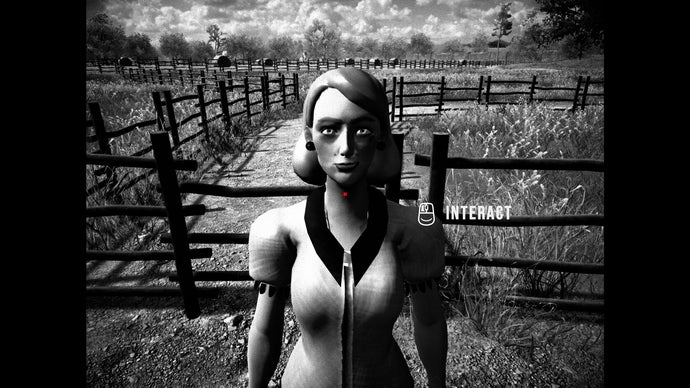
Thematically, HORSES appears to be operating in a space where the familiar (horses, rural iconography, human-animal relationships) is made uncanny. Epic’s recent enforcement move pressures that creative direction in two key ways:
- Psychological vs. graphic horror: The safer long-term bet for HORSES is to lean into psychological dread, implied violence, and environmental storytelling instead of explicit gore or sexualized brutality. That doesn’t dilute horror — it can sharpen it.
- Symbolic abstraction: Horses as symbols of control, wildness, or sacrifice can remain potent without veering into imagery that platforms flag as exploitative. Abstraction becomes both an artistic and tactical shield.
This is a pivotal moment where #indiegame horror can either retreat from the edge or evolve smarter, sharper, and more deliberate. HORSES is well-positioned to become a case study in how to weaponize subtlety rather than shock.
Market Outlook: Risk, Reward, and Discoverability
From a market intelligence standpoint, HORSES now operates in a paradoxical sweet spot:
- Heightened attention on horror: Every publicized ban amplifies curiosity around boundary-pushing titles. If HORSES communicates its tone and themes clearly, it can ride that wave without becoming a moderation target.
- Discoverability through discourse: Thoughtful devlogs, postmortems, and public breakdowns of how HORSES navigates content policy can position the team as leaders in ethical, boundary-aware horror #gamedev.
- Multi-platform hedging: Relying on a single storefront is now a strategic liability. Parallel planning for PC, console, and possibly curated launcher partnerships can buffer HORSES against unilateral enforcement shocks.
Tactical Recommendations for the HORSES Team
- Integrate policy into sprint planning: Treat content compliance as a recurring sprint item, not a final QA pass.
- Publish a transparent content charter: A public-facing statement on how HORSES handles violence, trauma, and disturbing content can build trust with both players and platforms.
- Leverage community feedback loops: Early testers can flag scenes that feel like they cross unspoken lines. That feedback is cheap insurance compared to a late-stage takedown.
HORSES is developing in a climate where horror isn’t just about what you dare to show — it’s about how intelligently you can justify, contextualize, and sometimes strategically withhold it. The Epic ban episode isn’t just a cautionary tale; it’s a live-fire drill for every horror project in active development.
Sources and corrections
This archive entry does not have a verified article-source list. Images and video embeds alone are not evidence for every claim.
Found an error? Request a correction. Include the passage and a supporting source.