Automated archive / Highguard
Highguard Blackout: How a Game Awards Showstopper Went Dark in Three Months
Highguard, the extraction shooter that closed The Game Awards with a headline-grabbing debut, is being fully shut down on March 12, 2026 after failing to secure a sustainable playerbase. This Sector Intelligence Report dissects the collapse, the business logic behind the blackout, and what it means for the future...
AI-generated summary. This archive article does not have a current recorded source check. Check linked sources before relying on details. Editorial policy
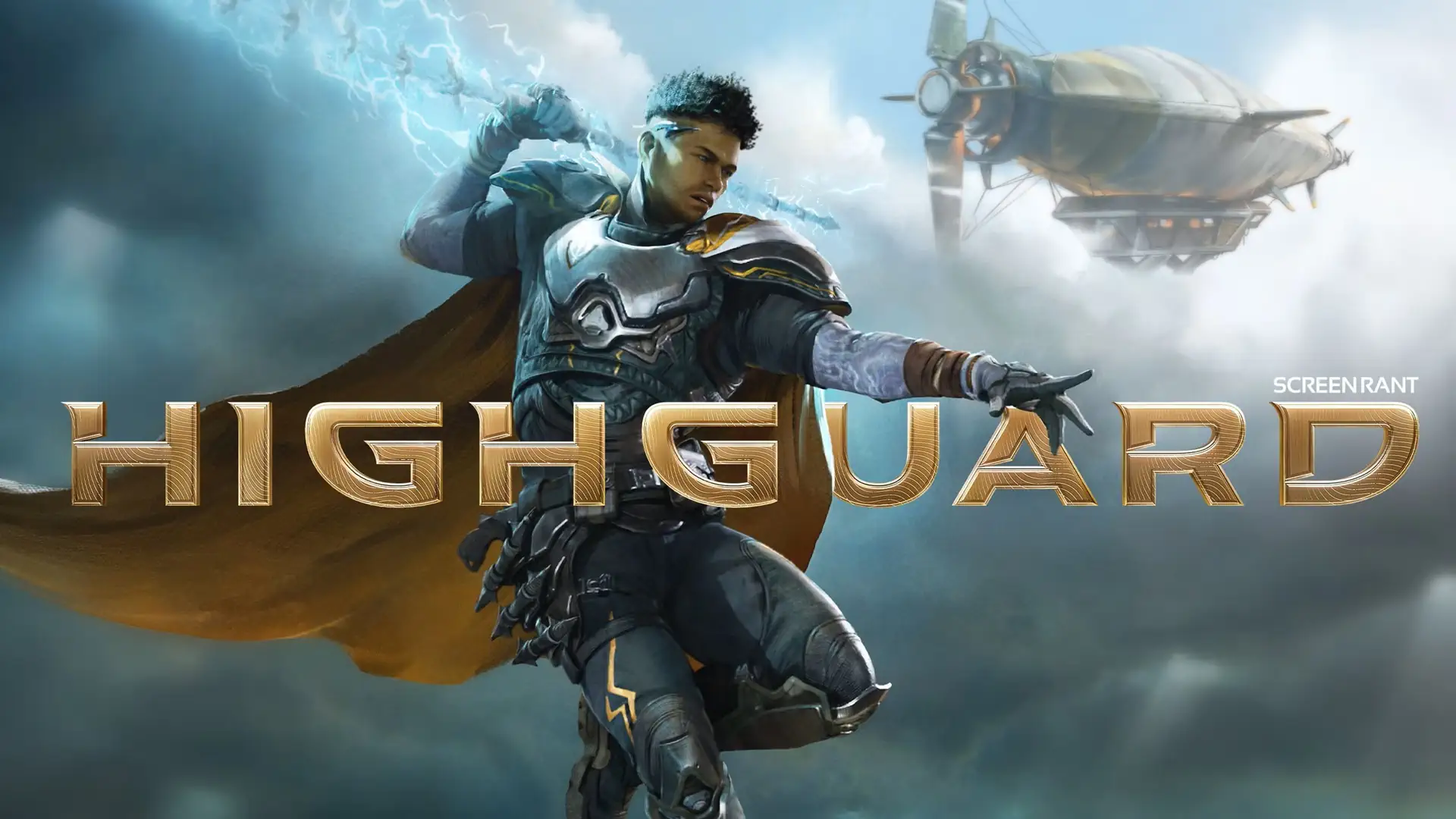
Sector Intelligence Report: Highguard Network Blackout
Highguard’s warzones are officially on final approach to blackout. Wildlight Entertainment has confirmed that all Highguard servers will be shut down on March 12, 2026, ending live operations for the free-to-play extraction shooter less than a year after it closed out The Game Awards with a high-profile debut. For a project positioned as a next-wave tactical stronghold, this is a rapid and sobering collapse.
This week’s Sector Intelligence Report breaks down what went wrong, what’s being preserved, and what Highguard’s fate signals for the broader #gamedev and live-service ecosystem.
Status: Protocol Terminated
On March 4, Wildlight initiated what the studio is effectively calling a Network Quieting Protocol. In plain terms:
- Full Highguard server shutdown scheduled: March 12, 2026
- Live development cycles: Terminated; no active patches or seasonal content in the pipe
- Operational status: Decommissioned, with all prior defensive simulations and tactical frameworks moved into archive
In the studio’s own framing, commanders are being asked to “log final ops, archive favorite loadouts, and prepare for extraction.” It’s a fittingly thematic send-off, but also an unusually swift one for a game that launched with prestige visibility and a clear push to compete in the extraction shooter space.
From Game Awards Closer to Silent Servers
Highguard wasn’t a small, anonymous #indiegame quietly disappearing. It closed The Game Awards—one of the most valuable marketing slots in the industry—with a confident pitch: a free-to-play, squad-based extraction shooter with a high-tech militaristic aesthetic and a focus on coordinated raids and extractions.
Watch: Transmitting Gameplay footage from the field: Highguard Official Reveal & Combat Briefing
But in the weeks and months following launch, Highguard struggled with the one metric a live-service shooter cannot afford to lose: critical mass of concurrent players. Wildlight’s own messaging cites “low player density across its warzones” as the decisive factor for the shutdown. In practical terms, that likely translated to:
- Slow matchmaking and empty lobbies, fatal for a session-based PvP/PvPvE game
- Fragmented player retention, where early adopters churned before a stable meta or community identity could form
- Live-ops overhead (servers, anti-cheat, balance, content) outpacing revenue and engagement
When your core fantasy is tense extractions under fire, nothing kills the mood like a silent map.
Why Highguard Couldn’t Hold the Line
From a #gamedev and business perspective, Highguard’s shutdown underlines several pressure points that every live-service project now faces:
1. The Extraction Shooter Saturation Problem
The extraction shooter subgenre—sparked by titles like Escape from Tarkov and iterated on by multiple AA/AAA contenders—has become crowded and unforgiving. To stand out, a new entrant must deliver at least one of the following:
- A distinctive systemic hook (economy, risk profile, progression loop)
- A compelling aesthetic or narrative wrapper that feels fresh
- Aggressive, sustained content drops to keep the meta evolving
Highguard had a polished look and a strong tactical pitch, but from the outside, it was fighting to differentiate itself in a field where players are already heavily invested in long-term progression elsewhere.
2. The F2P Stronghold That Never Solidified
Wildlight positioned Highguard as a free-to-play stronghold, but F2P success depends on volume and retention. When your funnel is wide but your core loop doesn’t immediately lock players in, the drop-off is brutal.
The activity feed this week makes it clear: “F2P stronghold collapses” isn’t just colorful language, it’s a diagnosis. Once concurrency dips below a viable threshold, you hit a vicious cycle:
- Longer queue times
- Worse match quality
- Increased churn
- Higher per-player operational cost
- Reduced willingness to invest in new content
At that point, even a well-intentioned rescue plan becomes hard to justify.
3. Live-Service Risk for Non-Giants
Highguard’s fate is a stark reminder that even well-funded, well-marketed projects are not safe in the current live-service climate. For #indiegame teams watching from the sidelines, there’s a harsh but useful lesson:
- Smaller scope and sustainable ops may beat high-profile, high-burn live-service bets.
- A tight, premium, session-based game with optional updates can be more survivable than a full-scale service that demands endless content.
The industry is in a correction phase where “just add a battle pass” is no longer a strategy—it’s a liability if your playerbase can’t support it.
What Happens to Highguard Now?
Wildlight’s communications frame this as a full decommissioning rather than a pivot. The language used—"all prior defensive simulations and tactical frameworks are now archived"—suggests:
- No offline client or standalone mode is currently planned.
- Systems and tech may be repurposed for future projects rather than extended in Highguard itself.
- The team will likely regroup and reassess future deployments in the same tactical-action space.
For players, the immediate takeaway is simple:
- You have until March 12, 2026 to run your final raids, capture last-match screenshots, and archive any sentimental loadouts or squad memories.
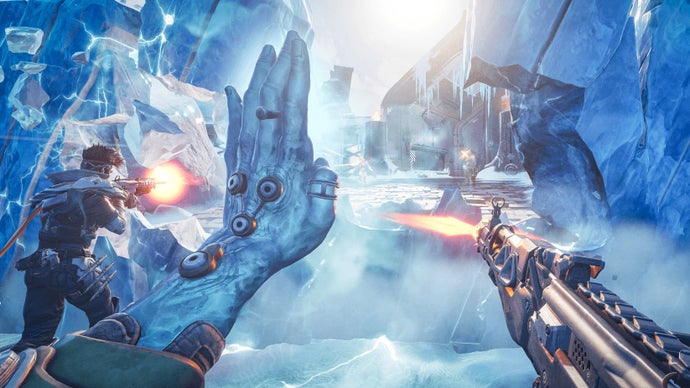
Strategic Takeaways for Devs and Publishers
Highguard’s short life cycle will be dissected in #gamedev circles for months. A few clear strategic lessons emerge:
1. Visibility ≠ Viability
Closing The Game Awards is a huge awareness spike, but awareness is not the same as retention. Without:
- A frictionless onboarding
- Strong early-game identity
- Social glue (clans, squads, creator support)
…even a massive launch window can evaporate into a brief curiosity spike.
2. Design for “Low Tide” as Well as “High Tide”
Live-service shooters are often designed assuming healthy concurrency. Highguard’s rapid decline highlights the need to:
- Build scalable matchmaking and modes that remain fun even with low populations.
- Consider co-op or PvE scaffolding that can sustain engagement when PvP density falls.
- Explore cross-game or cross-platform ecosystems to keep the pool from fragmenting.
3. Honest Kill-Switch Planning
While painful, Wildlight’s relatively quick decision to shut down may spare the project from a slow, demoralizing fade-out. For studios:
- Pre-defined criteria for shutdown (DAU, revenue, retention) can prevent sunk-cost spiral.
- Communicating a clear, time-bound end-of-life plan, as Highguard has, is more respectful than silent decay.
Final Transmission
Highguard’s servers going dark is more than a single game’s obituary; it’s a case study in the volatility of modern live-service design. For players, it’s a reminder to savor the games you love while they’re online. For developers and publishers, it’s a sharp signal that the extraction shooter gold rush is over—only the most distinct, sustainably operated titles will endure.
As March 12 approaches, commanders have one last window to drop into Highguard’s embattled arenas. After that, this shard of the net becomes another archived simulation in an increasingly crowded graveyard of ambitious, short-lived live-service experiments.
Sources and corrections
This archive entry does not have a verified article-source list. Images and video embeds alone are not evidence for every claim.
Found an error? Request a correction. Include the passage and a supporting source.
Your games, in one place
Keep up with Highguard
Follow this game to collect its posts in your personal feed. Come back to see what you missed.