Automated archive / Highguard
Highguard Blackout: Inside the Sudden Shutdown of Wildlight’s Extraction Gambit
Highguard’s servers are officially counting down to a full blackout on March 12, 2026, as Wildlight Entertainment decommissions its ambitious extraction shooter just months after a high-profile debut. This week’s Sector Intelligence Report breaks down the shutdown, the talent drain at Wildlight, and the harsh...
AI-generated summary. This archive article does not have a current recorded source check. Check linked sources before relying on details. Editorial policy
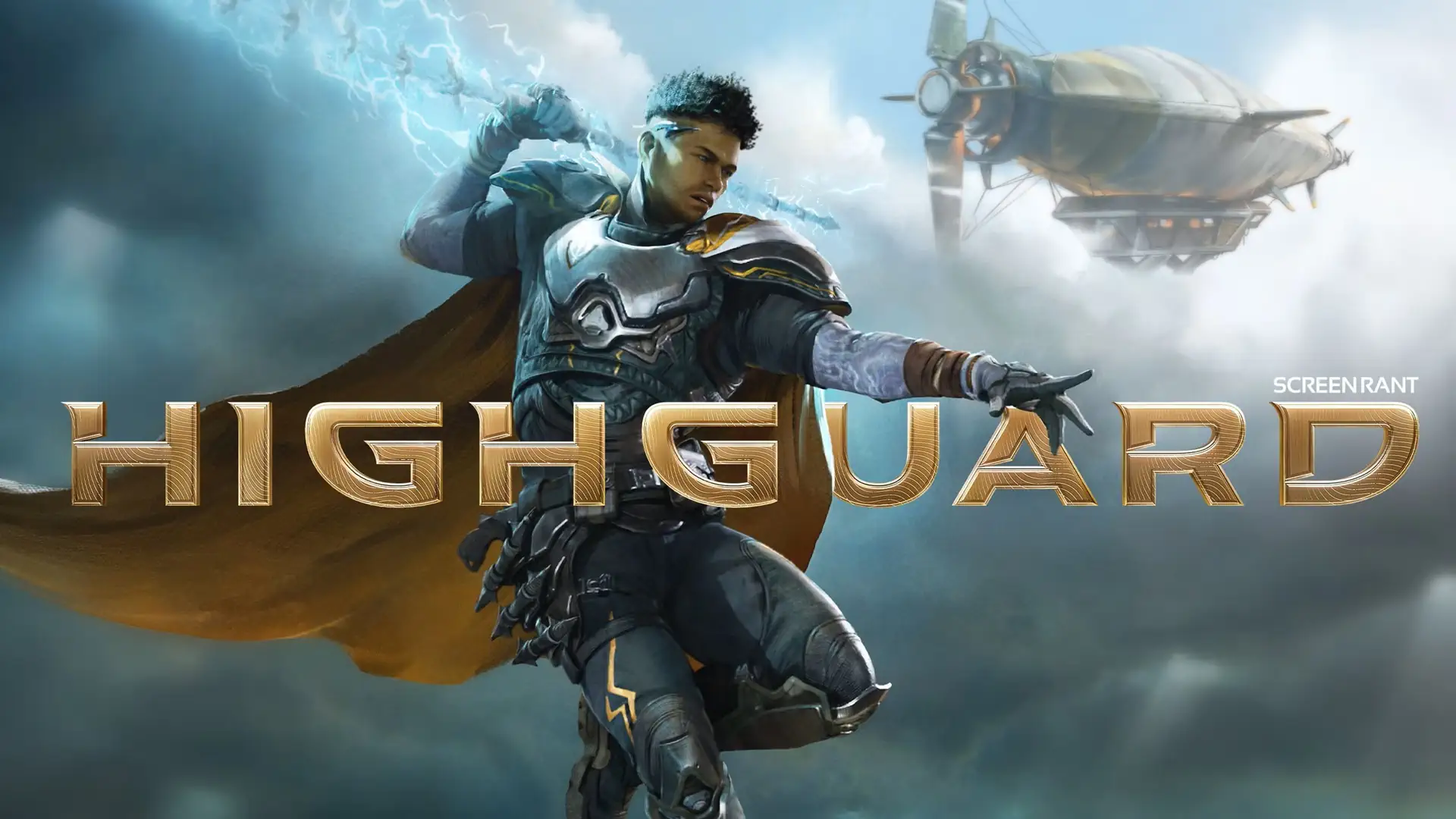
Sector Intelligence Report: Highguard // Week of March 4, 2026
Highguard’s warzones are officially on a countdown to blackout. Wildlight Entertainment has confirmed that all Highguard servers will shut down on March 12, 2026, marking a rapid and brutal end for a free-to-play extraction shooter that just months ago was closing out The Game Awards with prime-time confidence.
This week’s data stream paints a clear picture: the project is no longer in distress—it’s been fully decommissioned.
01 // Server Blackout: Timeline to Termination
The most critical update is tactical and final:
- Server shutdown date: March 12, 2026
- Status: All live service infrastructure scheduled for full power-down
- Player directive: “Log final ops, archive your favorite loadouts, and prepare for extraction.”
Highguard’s network is entering what internal comms frame as a “Network Quieting Protocol”—a controlled wind-down rather than an emergency crash. For players, this is the last window to:
- Run final raids and extractions with existing squads
- Capture screenshots and clips of builds, cosmetics, and squad comps
- Archive personal milestones before the shard goes permanently dark
Functionally, this isn’t just a content freeze; it’s the end of the simulation layer itself. Once the servers go offline, Highguard becomes a non-recoverable live ops artifact—no offline fallback, no private server handoff, no community-hosted alternative in sight.
02 // Project Highguard: Protocol Terminated
Wildlight has now classified Highguard as “officially decommissioned.” All prior defensive simulations, tactical frameworks, and systemic scaffolding have shifted into archive status.
From a #gamedev and #indiegame production lens, that means:
- No active development cycles: No balance patches, no new content drops, no technical maintenance roadmap.
- Support pipelines severed: Live-ops metrics, monetization tuning, and retention experiments are effectively frozen in time.
- Design learnings preserved, not deployed: Whatever Highguard discovered about extraction pacing, squad dynamics, and risk-reward loops now lives as internal documentation, not as future patches.
This is a hard stop, not a pivot. There’s no language around retooling Highguard into a smaller-scale project, nor any suggestion of a relaunch under a different model.
03 // The Collapse of a F2P Stronghold
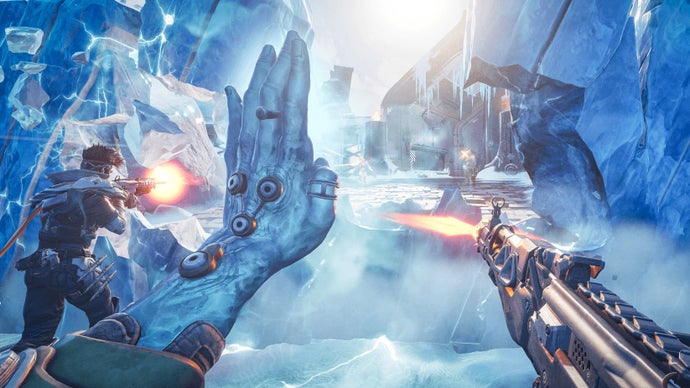
Highguard launched into one of the most hostile spaces in modern multiplayer: the free-to-play extraction shooter niche. Despite the visibility boost of closing The Game Awards, this week’s intel confirms that low player density across its warzones was the critical failure point.
Key pressure vectors likely included:
- High concurrency demands: Extraction shooters live or die on queue health and matchmaking density. Sparse lobbies destroy both pacing and perception.
- Content velocity vs. studio scale: Sustaining a F2P PvP ecosystem requires relentless content and meta updates. For a relatively lean team, that cadence is extremely hard to maintain.
- Market saturation: Highguard was fighting entrenched genre incumbents and constant new live-service launches, all competing for the same limited attention and spend.
Once concurrency falls below a critical mass, even loyal players begin to churn—not because they want to leave, but because the game’s core fantasy (high-stakes, high-population extractions) becomes mathematically unsustainable.
04 // Wildlight in Low-Power Mode: Fewer Than 20 Staff
The shutdown doesn’t exist in a vacuum. A separate report this week indicates that fewer than 20 staff remain at Wildlight Entertainment following last month’s layoffs.
For a studio tasked with operating and evolving a competitive shooter, that headcount is closer to a skeleton crew than a live-service armada. The implications:
- Capacity crunch: With under 20 developers, simultaneously running live ops, building new content, and prototyping future titles becomes structurally impossible.
- Production cadence disrupted: Any roadmap beyond critical maintenance becomes aspirational. Feature work slows to a crawl or halts entirely.
- Strategic reset: Publisher relations, funding runway, and project scope are now under heavy re-evaluation. Wildlight is effectively in stabilization mode, not expansion.
For #gamedev observers, Wildlight’s trajectory is a case study in the brutal economics of modern live-service shooters: even a strong concept, veteran talent, and marquee showcase slots can’t guarantee survival without sustained, scalable player engagement.
05 // Lessons from the Highguard Shutdown
Watch: Transmitting Gameplay footage from the field: Highguard launch and combat showcase
Highguard’s short lifecycle offers several hard-earned lessons for studios eyeing extraction or competitive F2P spaces:
5.1 // Visibility Is Not Retention
Ending The Game Awards with a cinematic trailer and gameplay beats gave Highguard significant launch visibility, but not long-tail retention. Discovery spikes do not automatically translate into sustainable daily active users, especially when:
- Onboarding friction is high
- Social features and squad tools aren’t frictionless
- The meta doesn’t evolve quickly enough to reward deep investment
5.2 // Live-Service Is an All-or-Nothing Commitment
Running a live-service extraction shooter isn’t just about launch polish; it’s about the post-launch war:
- Balancing weapons, abilities, and extraction rewards weekly
- Shipping new maps, modes, or twists to keep risk-reward loops fresh
- Responding to exploits, griefing patterns, and meta stagnation in real time
With Wildlight reduced to fewer than 20 operators, that level of responsiveness was likely unattainable.
5.3 // F2P Economics and Player Density
Free-to-play extraction shooters hinge on healthy concurrency and monetization that doesn’t fracture trust. When player density drops:
- Matchmaking times spike
- Match quality plummets
- Monetization funnels dry up, starving the very content pipeline needed to reverse the decline
Highguard’s shutdown underlines a harsh truth: in 2026, a F2P shooter must either hit critical mass fast or face an accelerated sunset.
06 // What’s Next for Players and the Studio?
For players still deployed in Highguard:
- Treat the next days as a farewell tour: run final raids, revisit your favorite lanes, and document your best builds.
- Expect no further balance patches, events, or technical rescues. The blackout date is fixed.
For Wildlight Entertainment:
- The studio enters a low-power strategic phase, likely focusing on internal prototypes, funding conversations, and a leaner project scope that better matches its current headcount.
- Any future announcement—whether a smaller-scale competitive project, a co-op pivot, or a publishing partnership—will be read through the lens of the Highguard experience.
In the broader #gamedev and #indiegame ecosystem, Highguard will be remembered as a high-potential, high-risk extraction experiment that couldn’t secure the sustained player density a modern F2P shooter demands.
Until March 12, the servers still hum. After that, Highguard becomes a cautionary data point in the increasingly volatile history of live-service shooters.
Sources and corrections
This archive entry does not have a verified article-source list. Images and video embeds alone are not evidence for every claim.
Found an error? Request a correction. Include the passage and a supporting source.